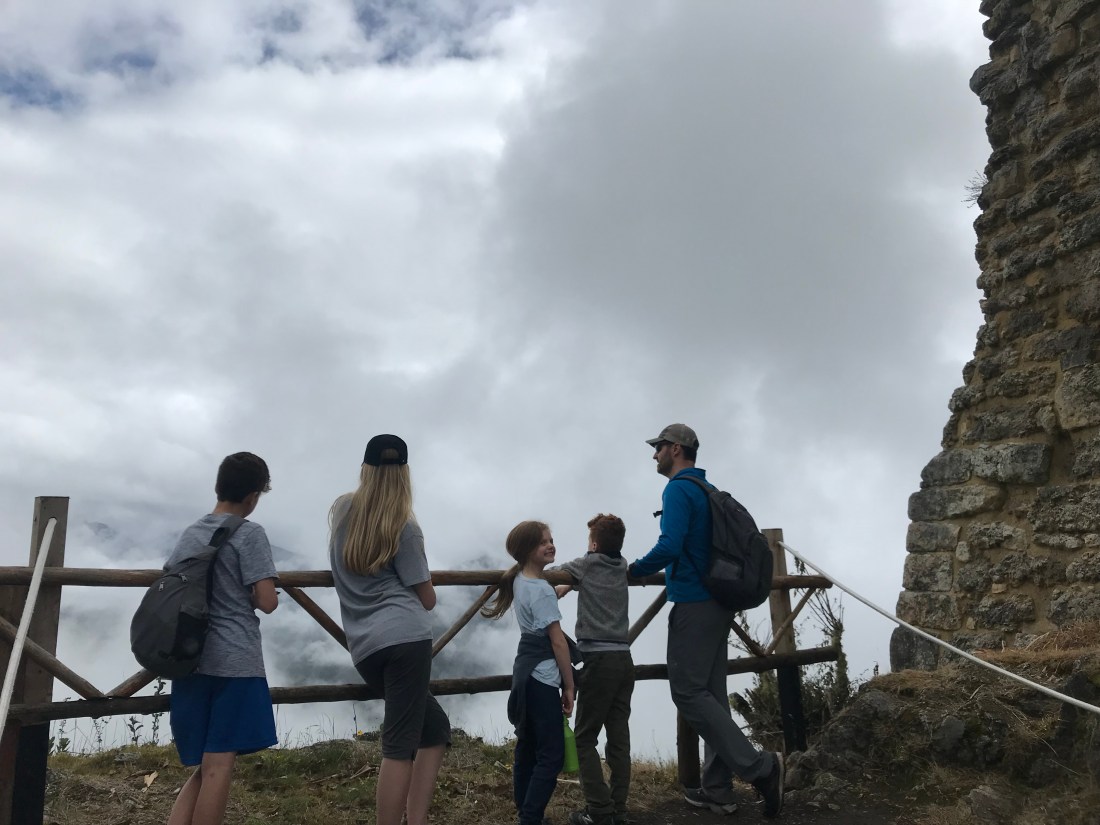
 No, this isn’t a chapter you missed in Lord of the Rings. The Chachapoya culture that inhabited Keulap are often referred to as the Cloud Warriors. The name is well earned as their settlement was discovered in 1843 at almost 10,000 ft on top of a mountain in the north of Peru. And what a fantastic spot to build a city…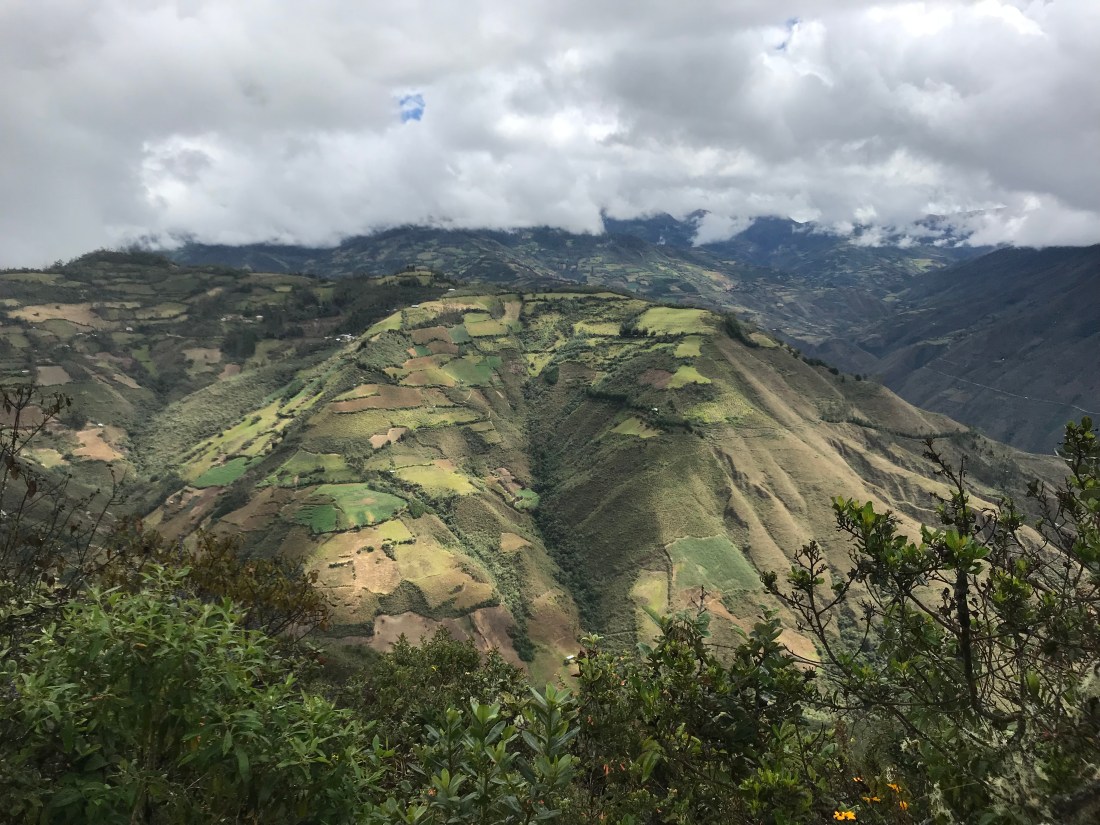
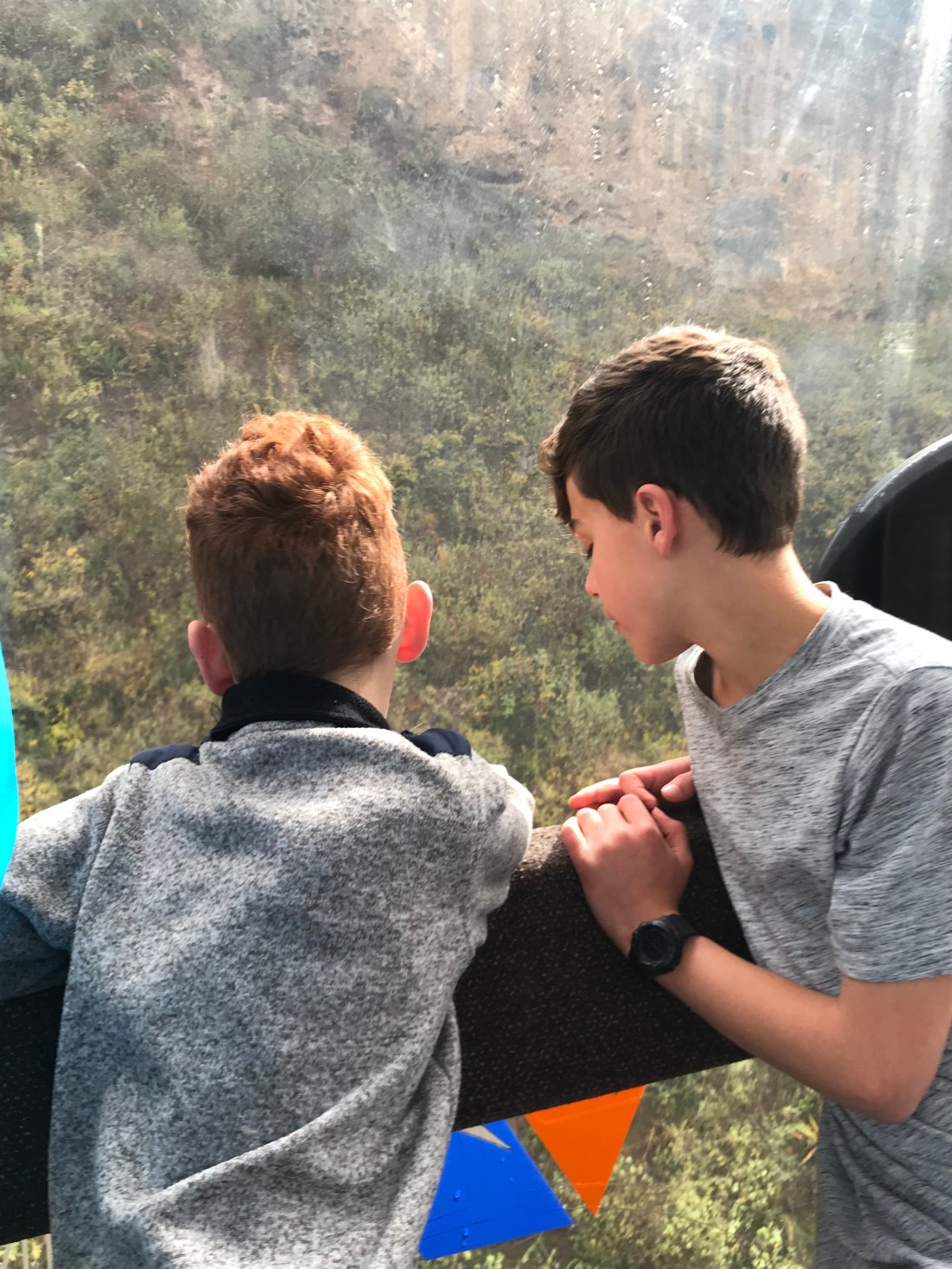
The easiest way to visit this high-mountain settlement is by cable car. The cable car system was installed in 2017 and takes visitors on a 20 minute vertiginous climb in and out of clouds. Wind whistles through the vents at the top of the car and rattles the doors, causing me to panic at my boys when they think it would be fun to bounce or stand or rock the car. Why are they the way they are?
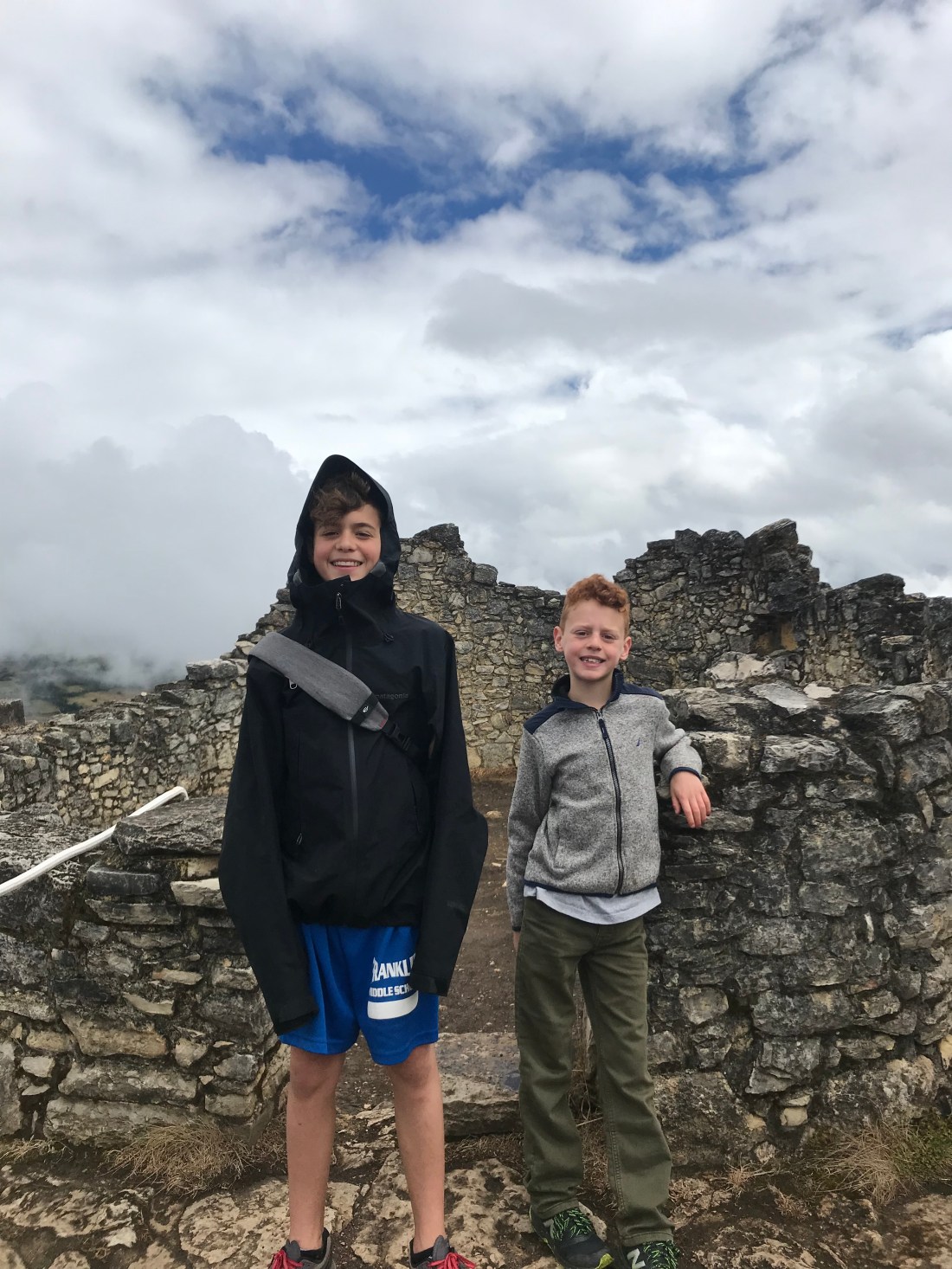
While the “Old World” was settling into the Middle Ages, the Chachapoyans were building temples and homes in the sky and farming the steep mountain side. Houses were built in little turrets and topped with a conical thatched roof.
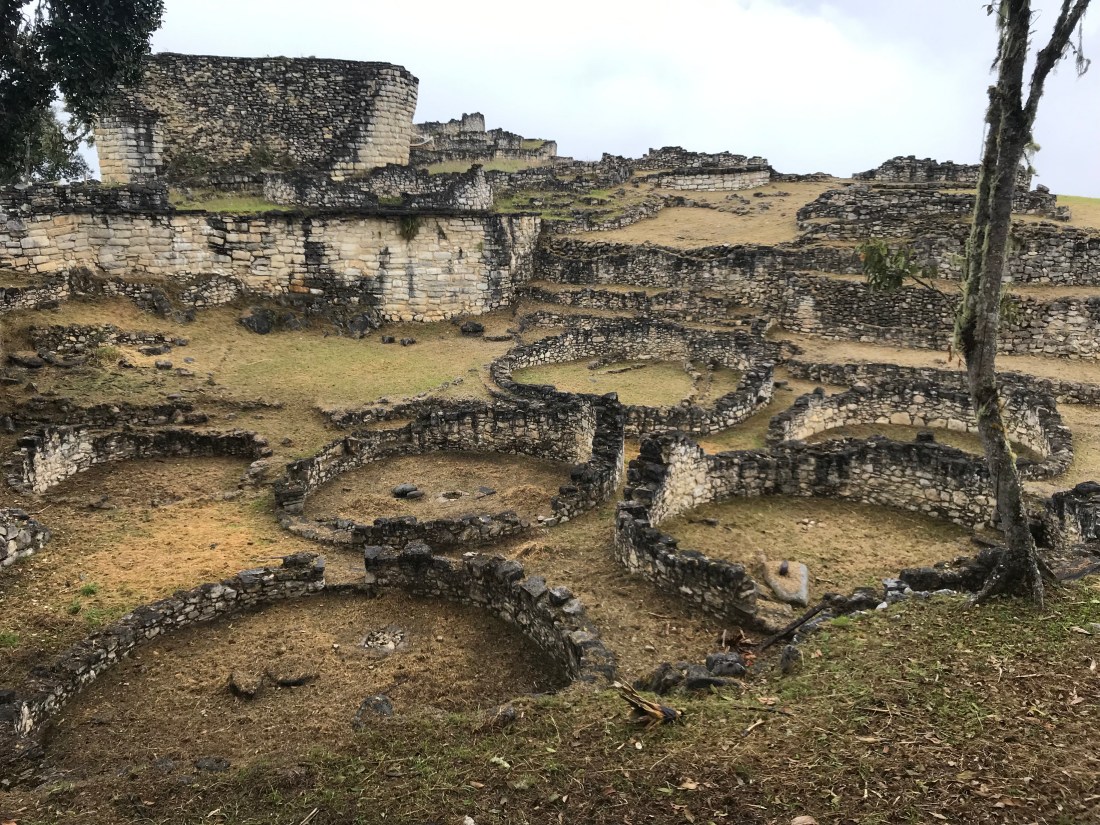
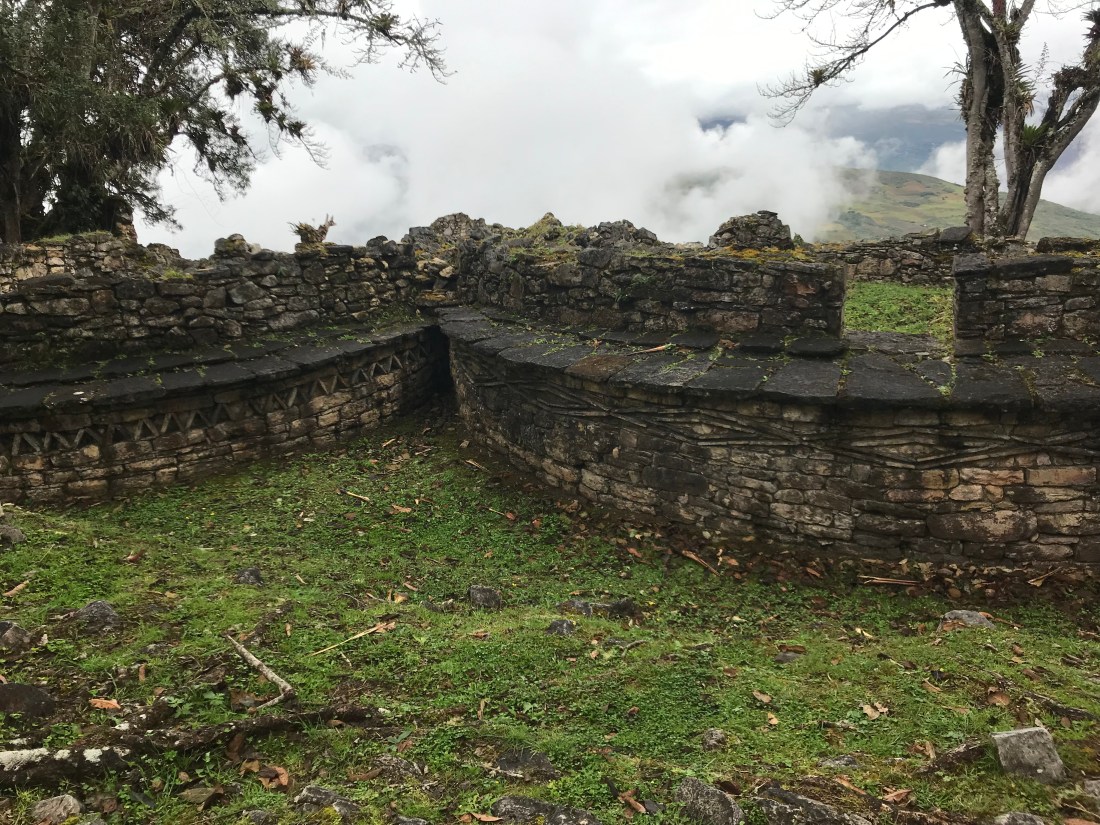
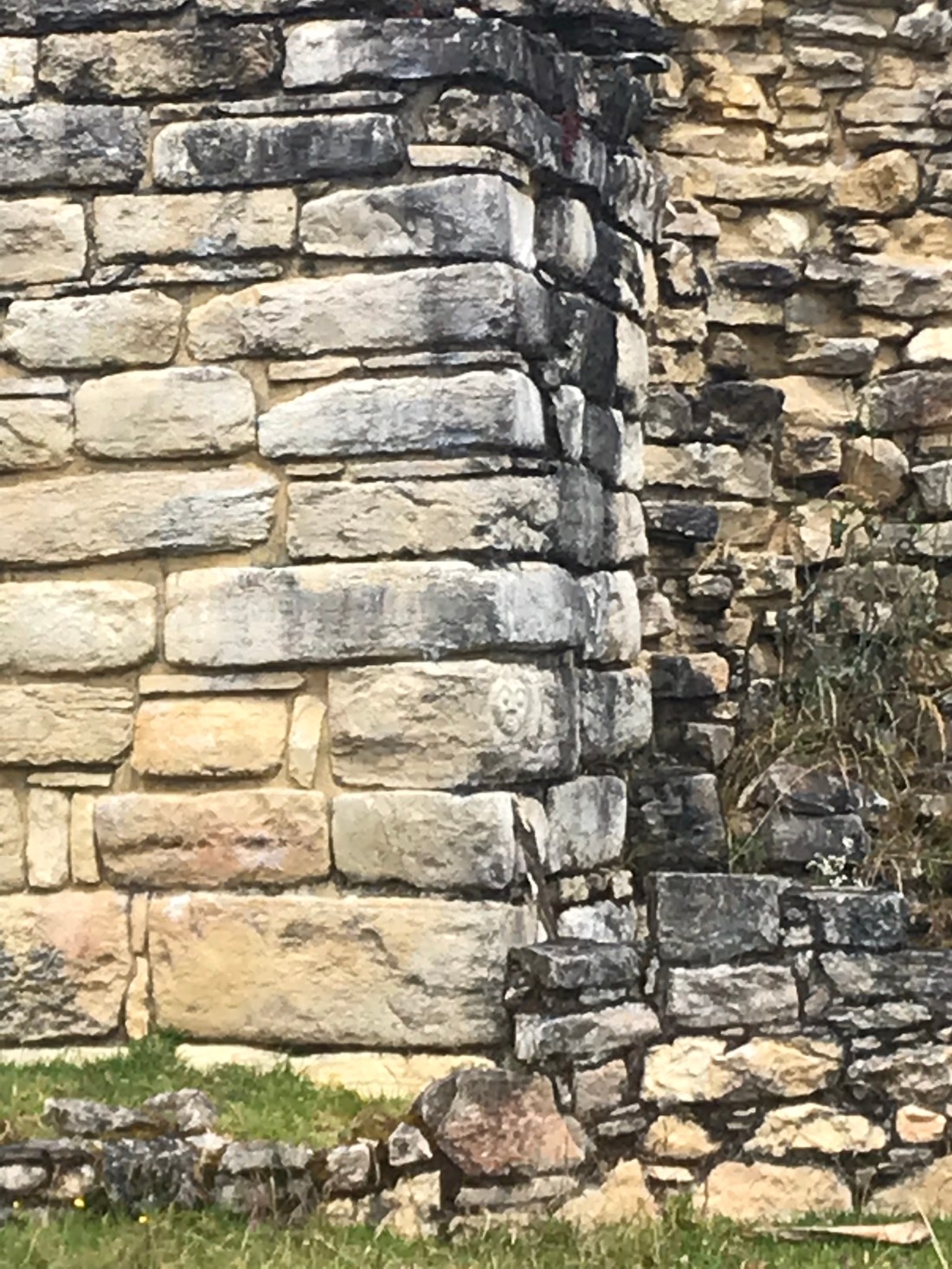
More elaborate homes had beautiful stone work and the center temple had a face carved at the entrance and on the sides (a shaman or god?)
There is a lot of creepy speculation about all the human remains and mass graves that were found in this complex and at nearby sites. Large amounts of human remains are in the main temple in this site – human sacrifice? ritual burials?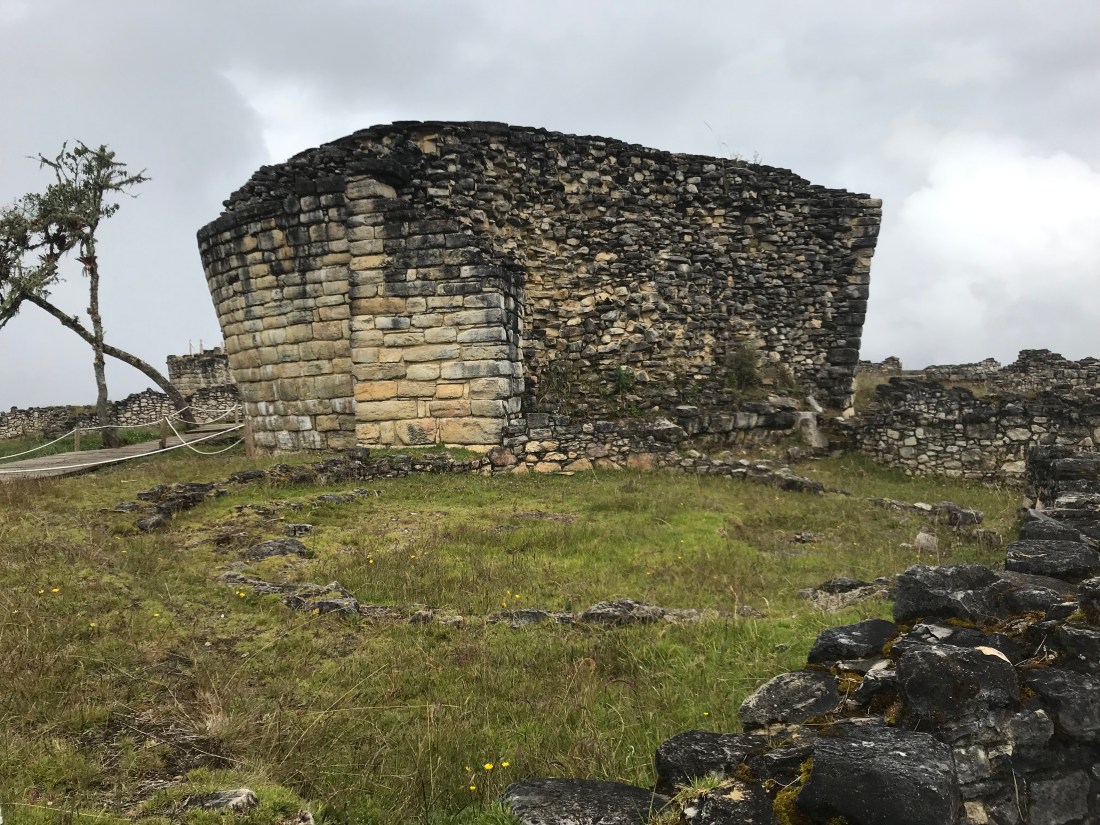 Historians think that they might have lived with their dead (small structures inside each home were filled with human bones) and believed that their ancestors had rich afterlife and could impact or empower the living.
Enclosing the whole compound was a 66 ft high wall with only 3 narrow entrances. The compound was highly defensible and took the Incans ~100years to finally conquer. The Incan practice of creating forced laborers (slaves, really) of their conquests might have inclined the Chachapoyans to side with the Spanish and aid the eventual overthrow of the Incans.
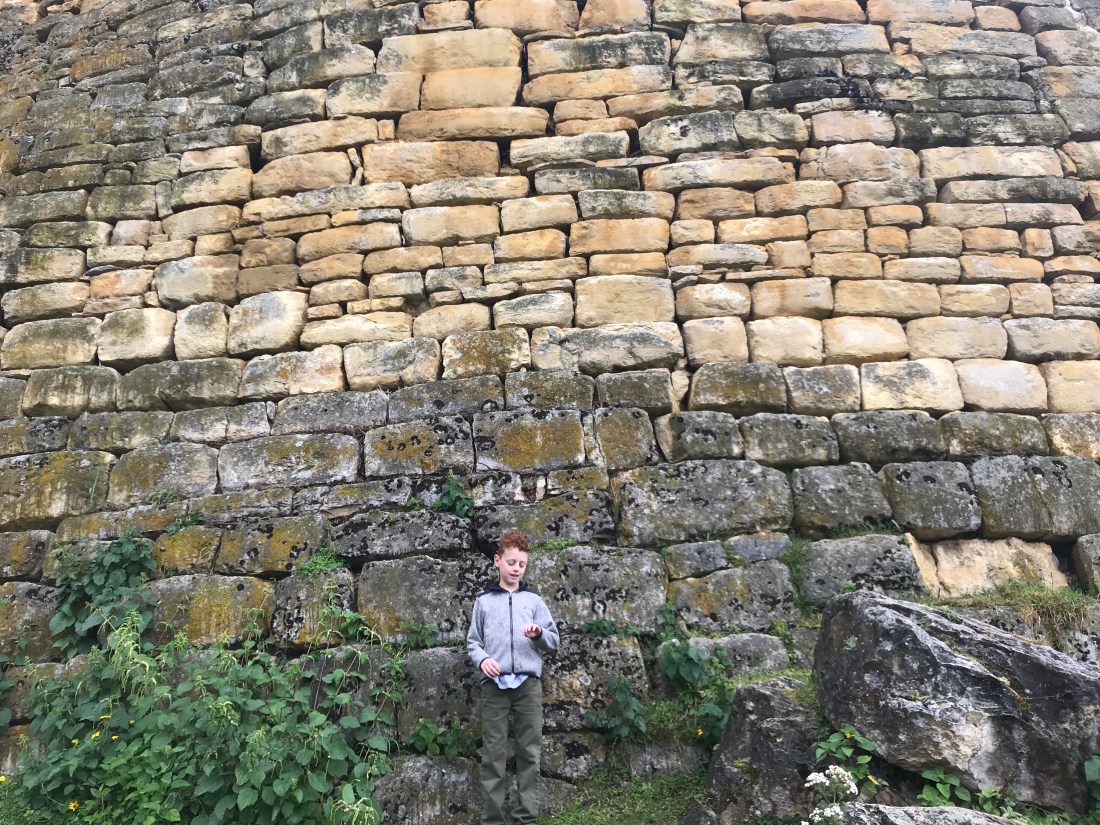
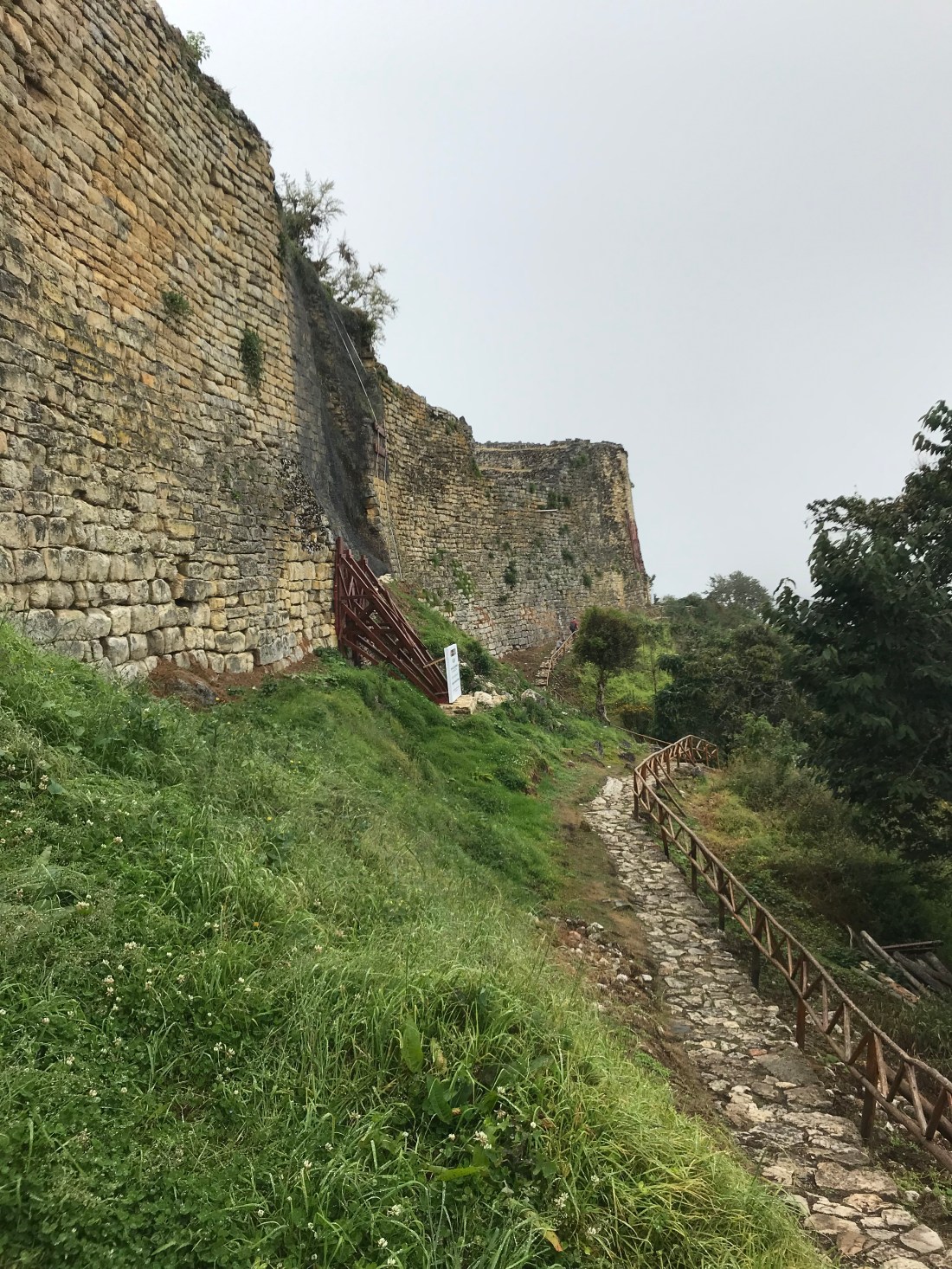
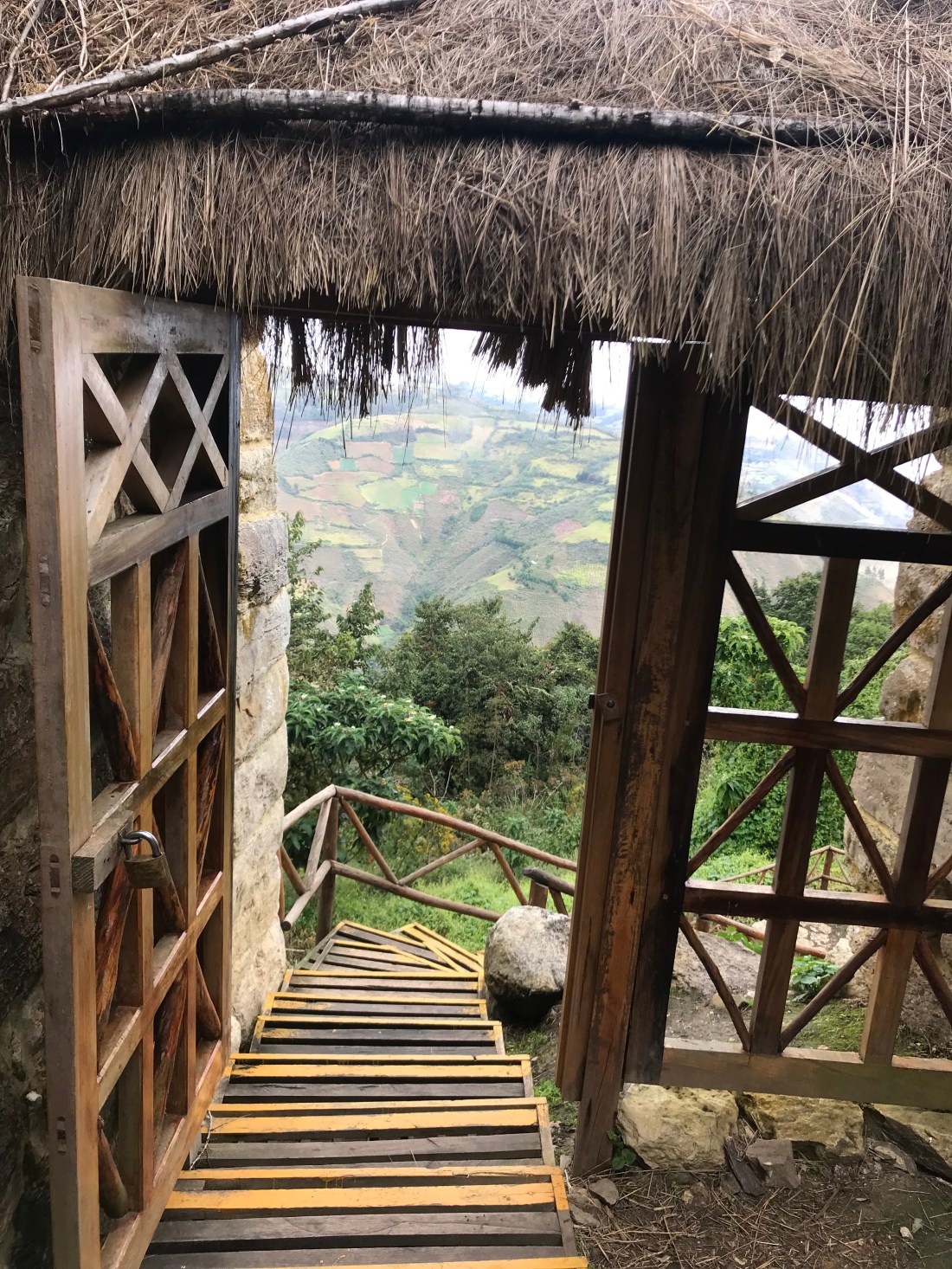
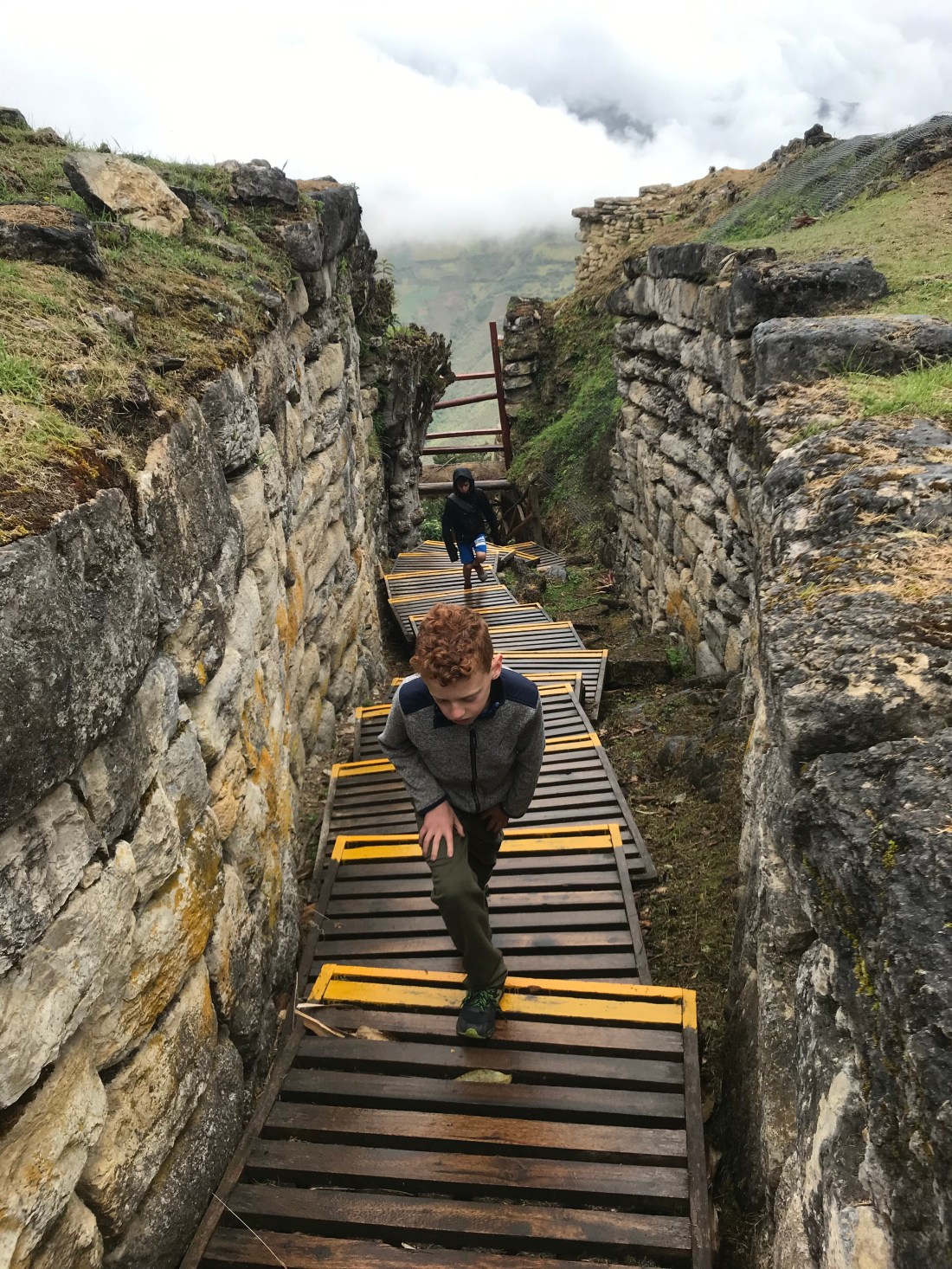
The whole site is breathtaking… you are above and in the clouds. All you would need is some pan-flute music and you could imagine people milling about, cooking up some guinea pig dinner and looking down the mountain for the kids to come home.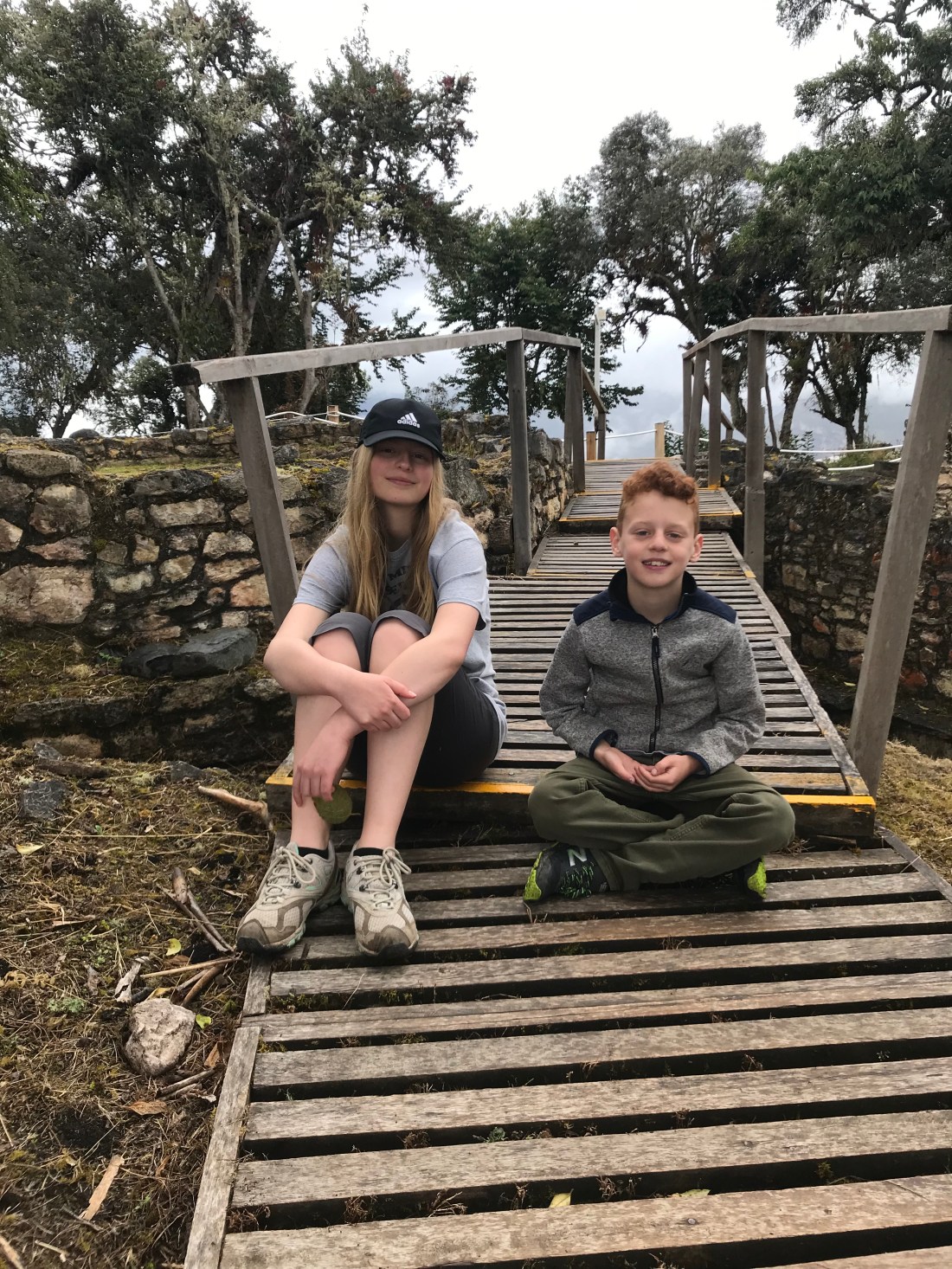
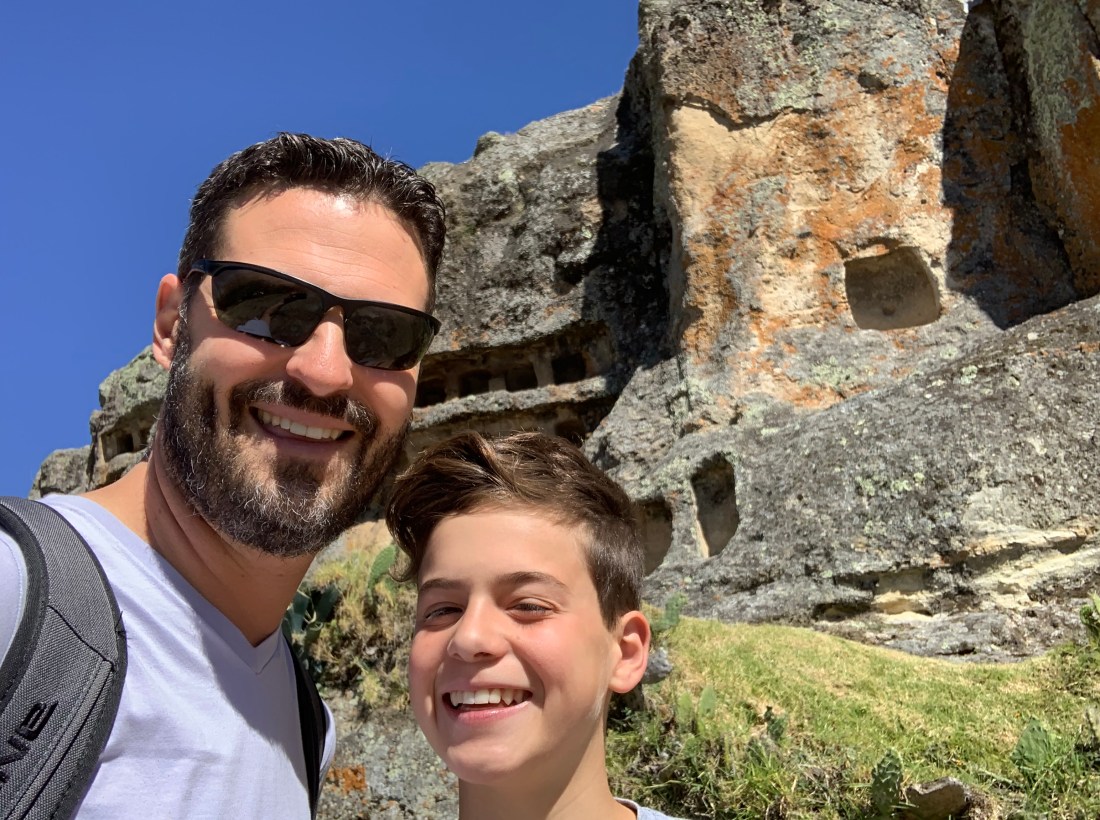
 I loved the Ventanillas de Otuzco. Dating from 200-800 b.c. and the Cajamarca culture, these are considered a funerary complex. The dead were folded into a fetal position and placed in the niches in the volcanic stone.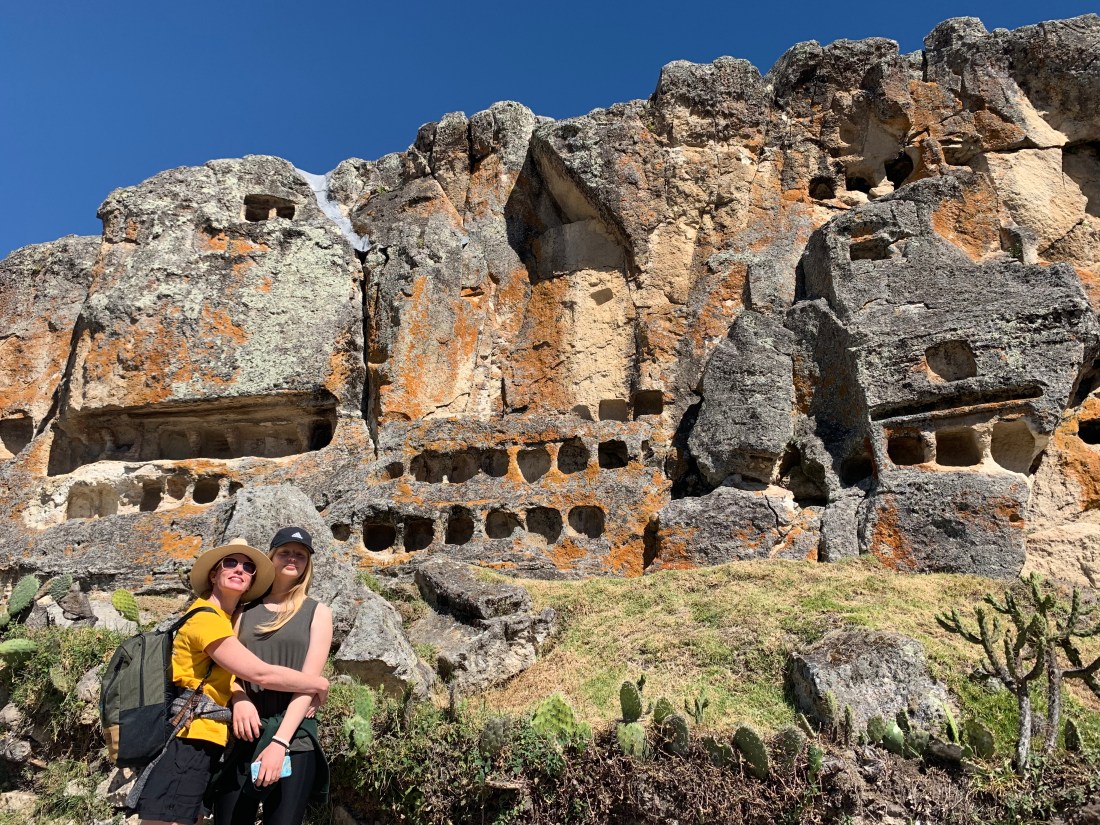
 For more protein in our diet, we opted for the menu del día today. The chicken soup was delicious, though none of us finished the meaty additions.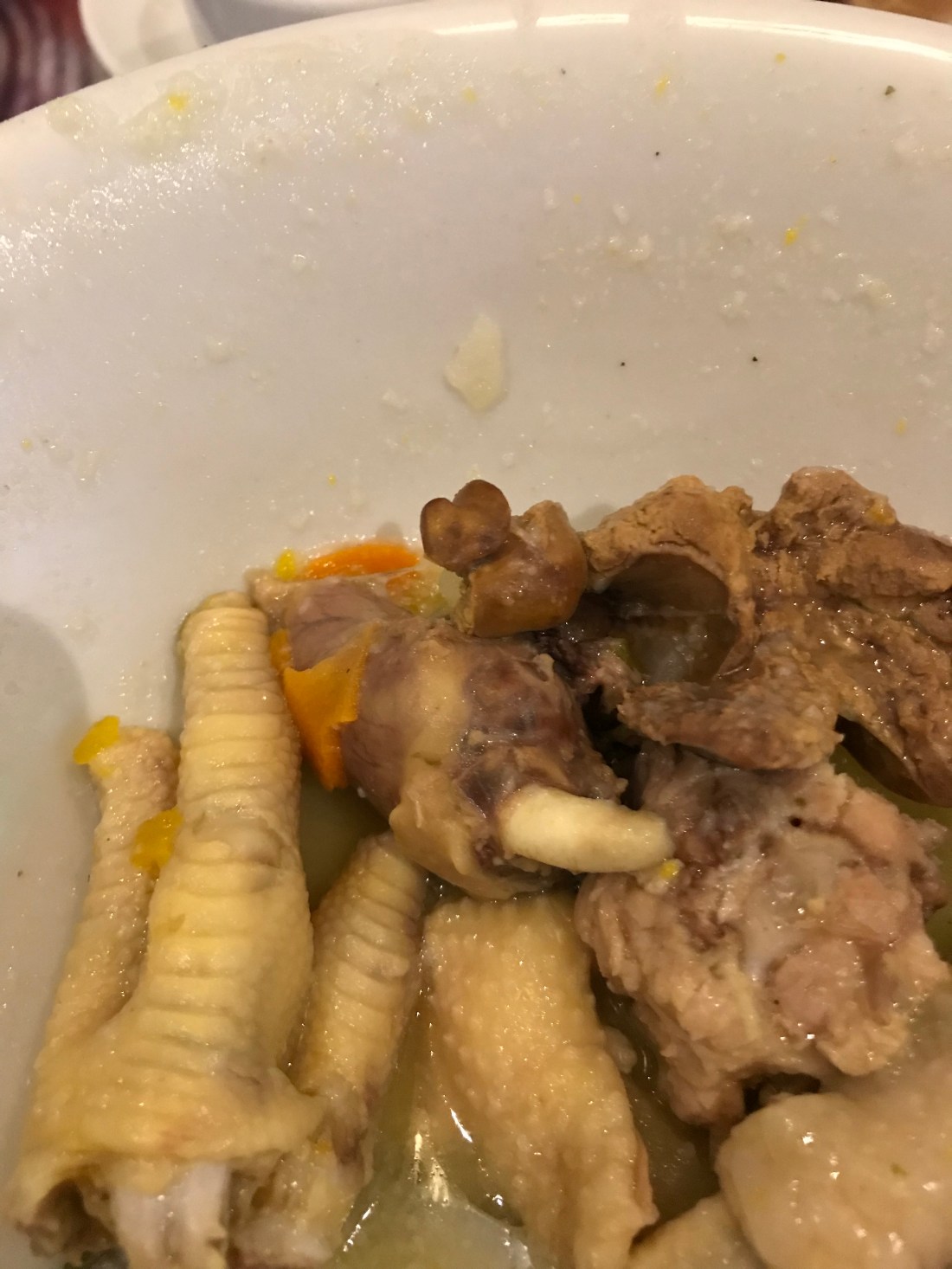
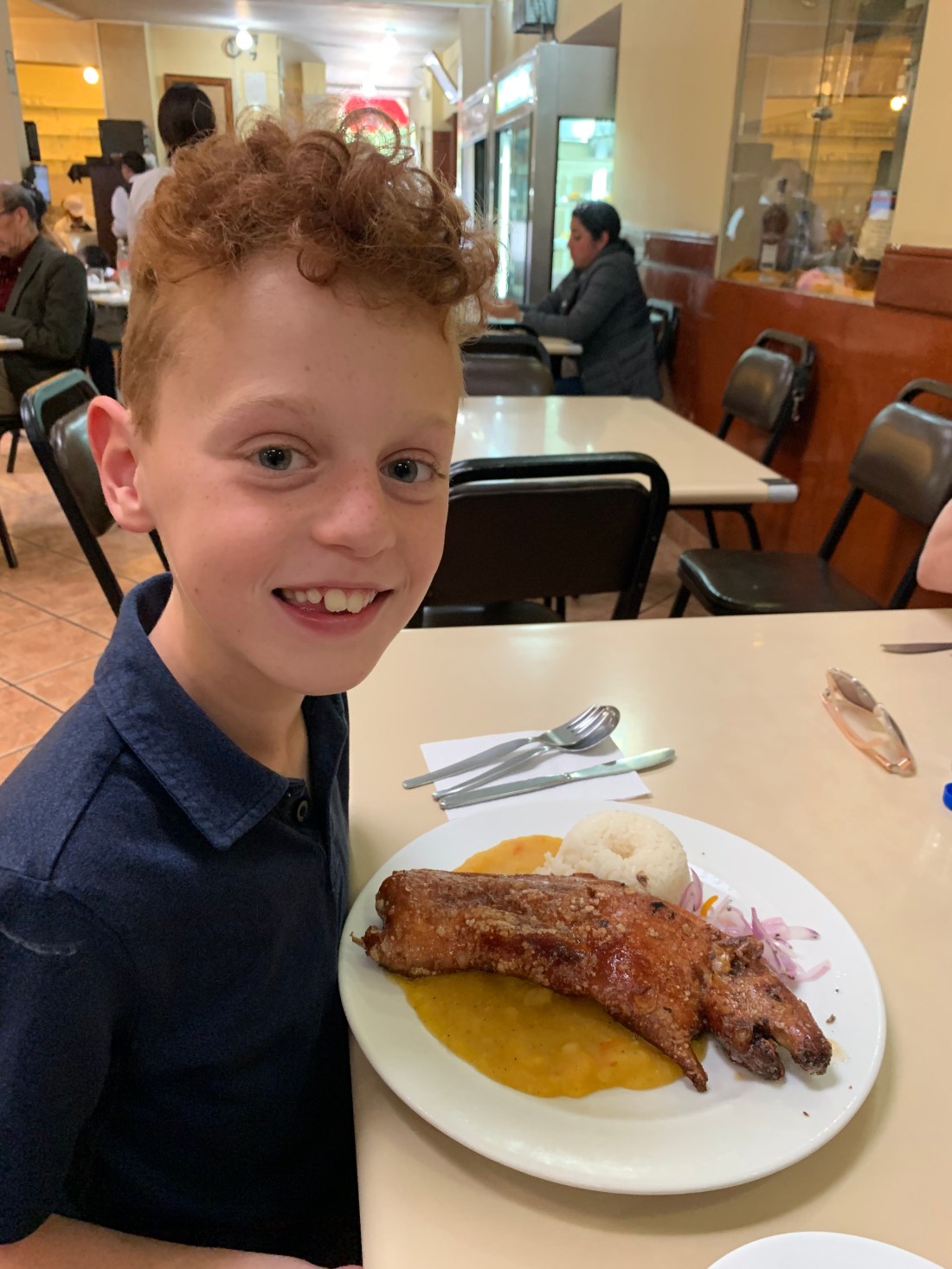
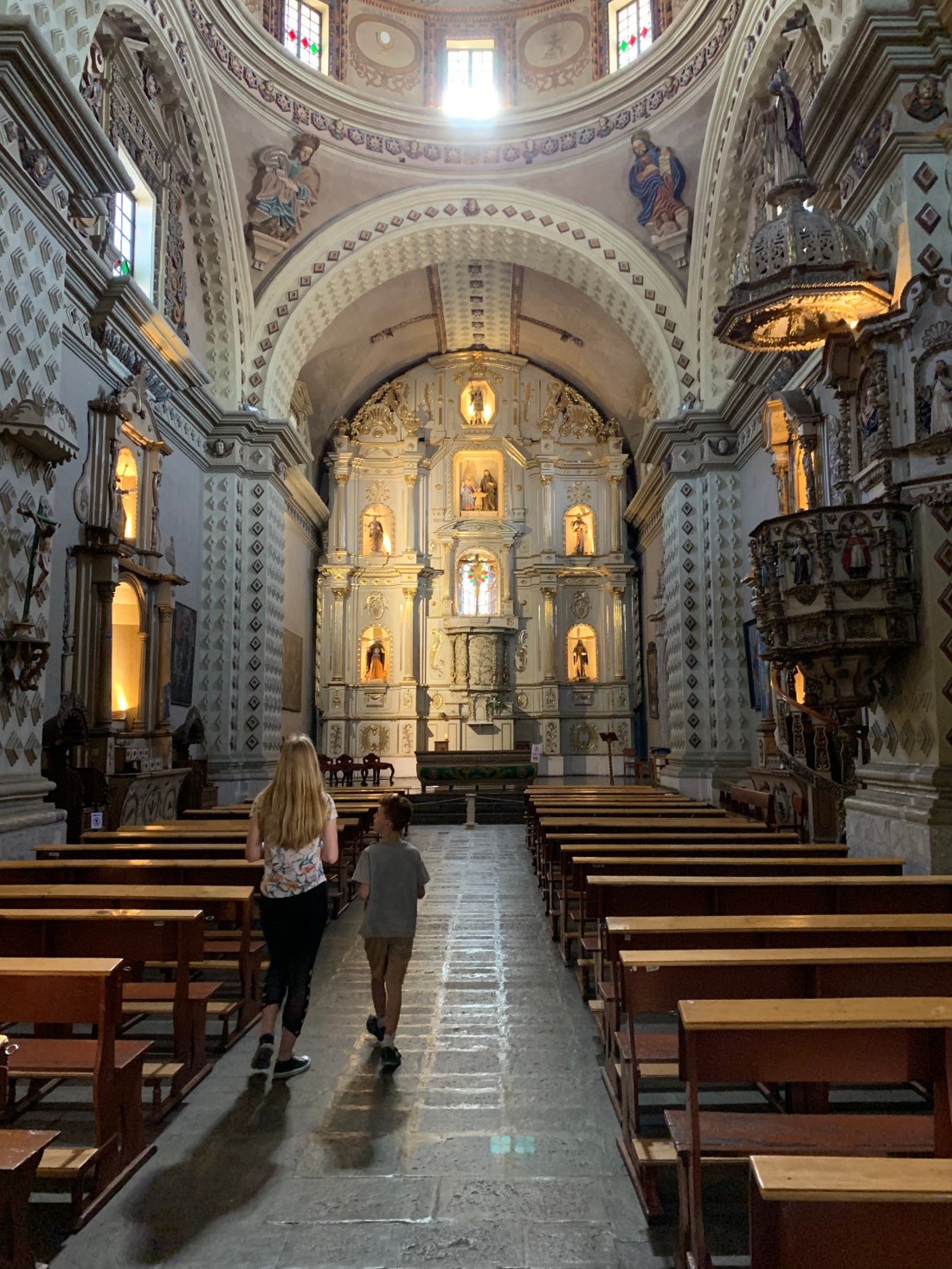
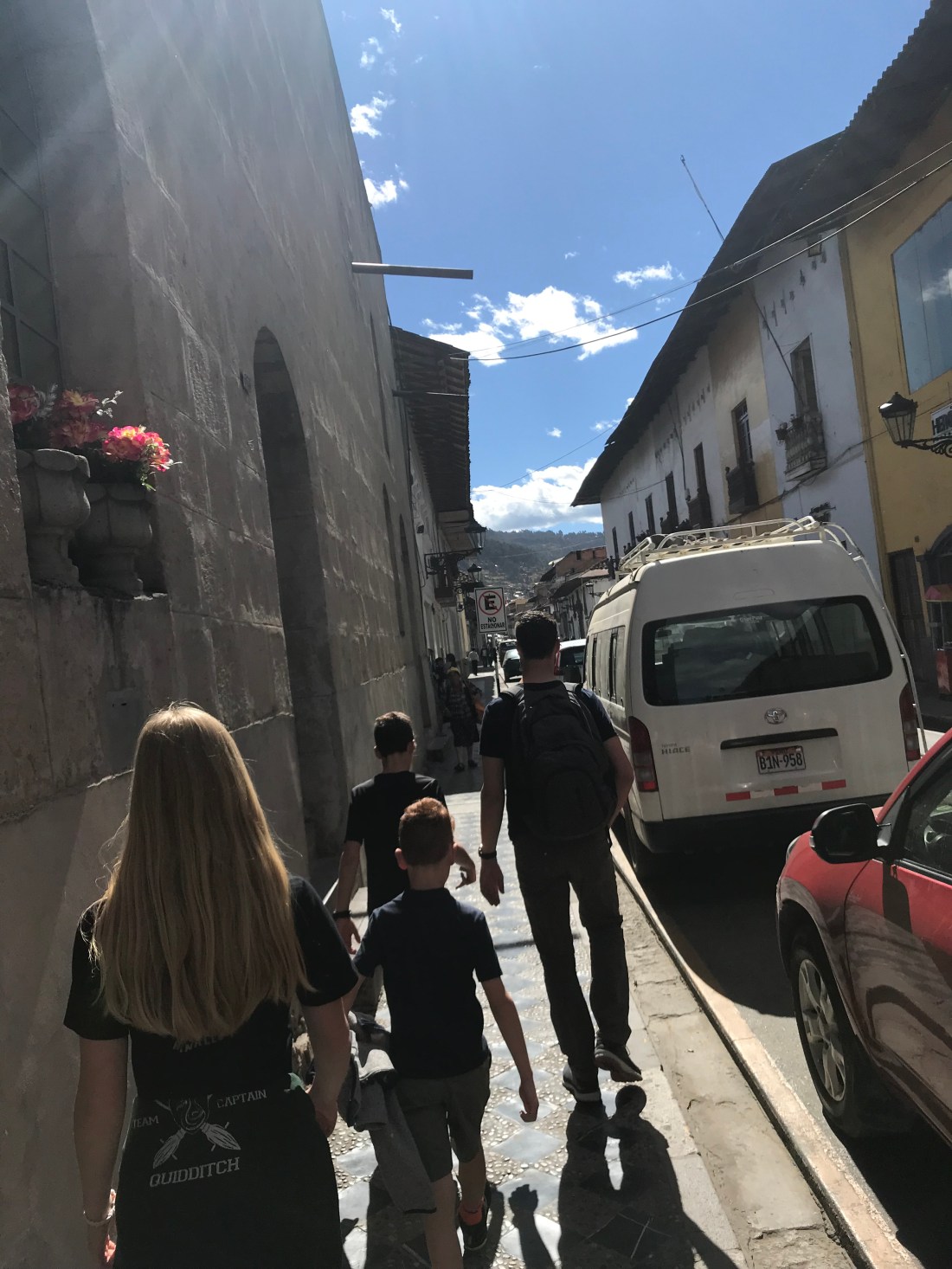
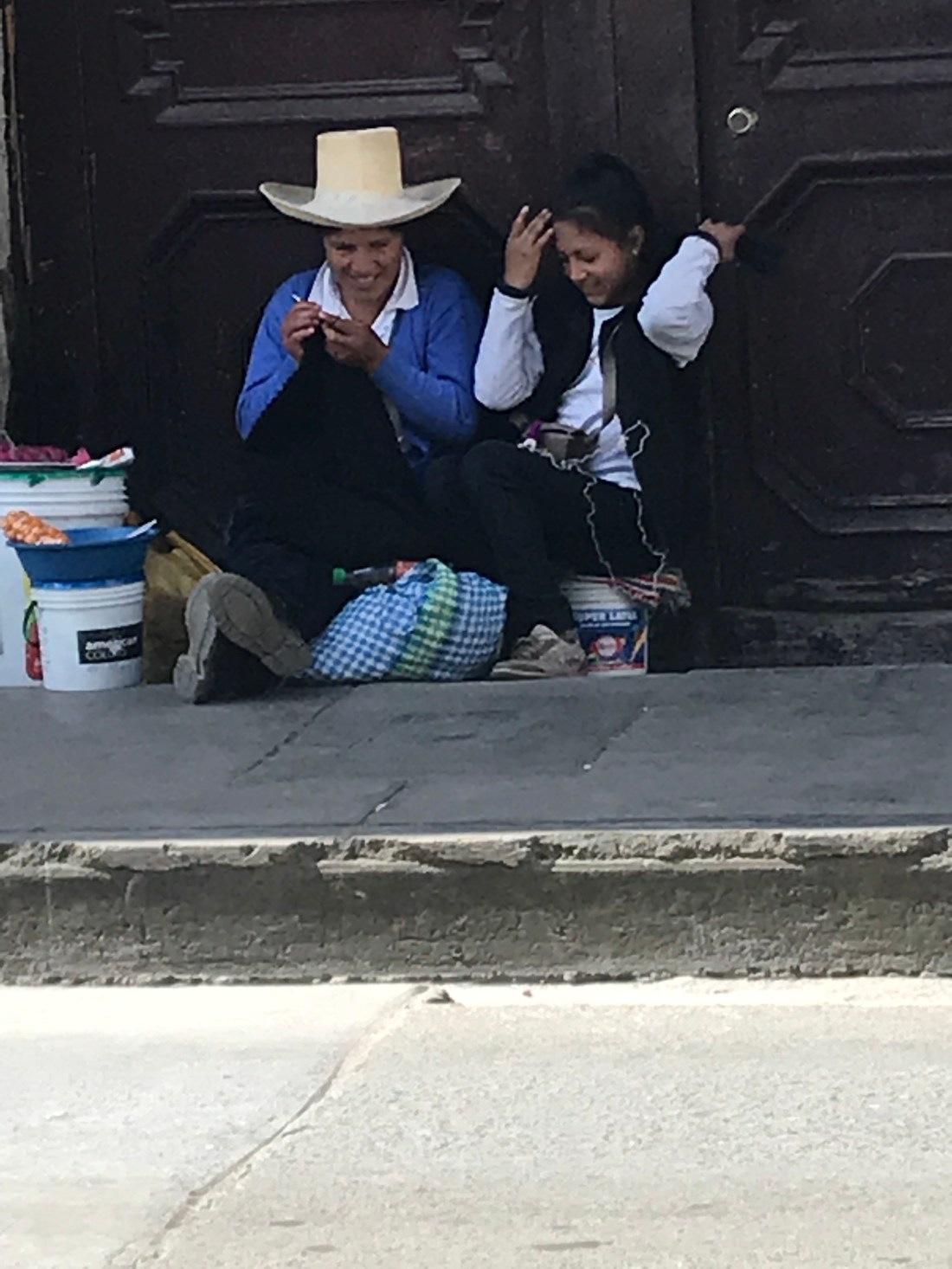
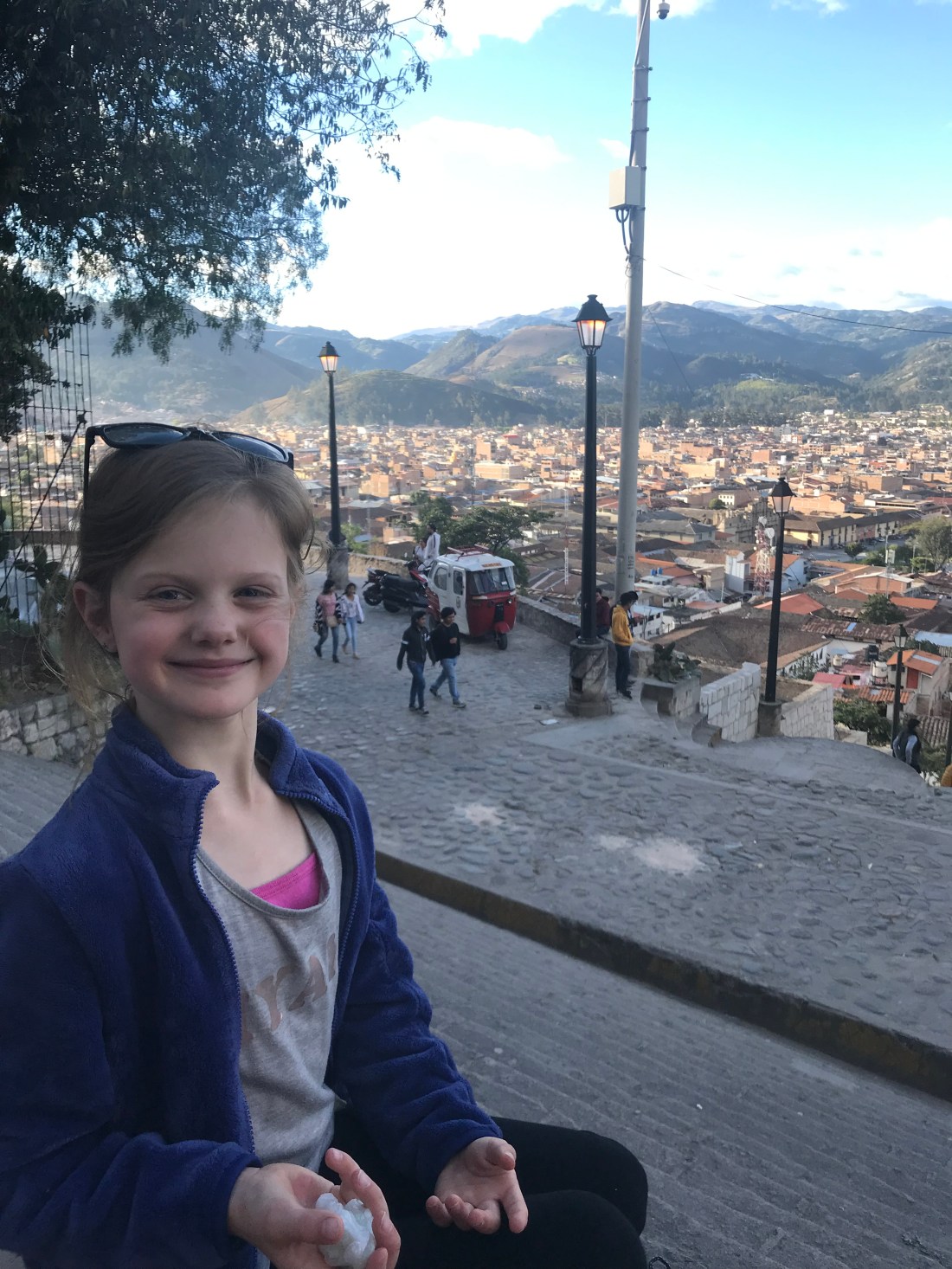
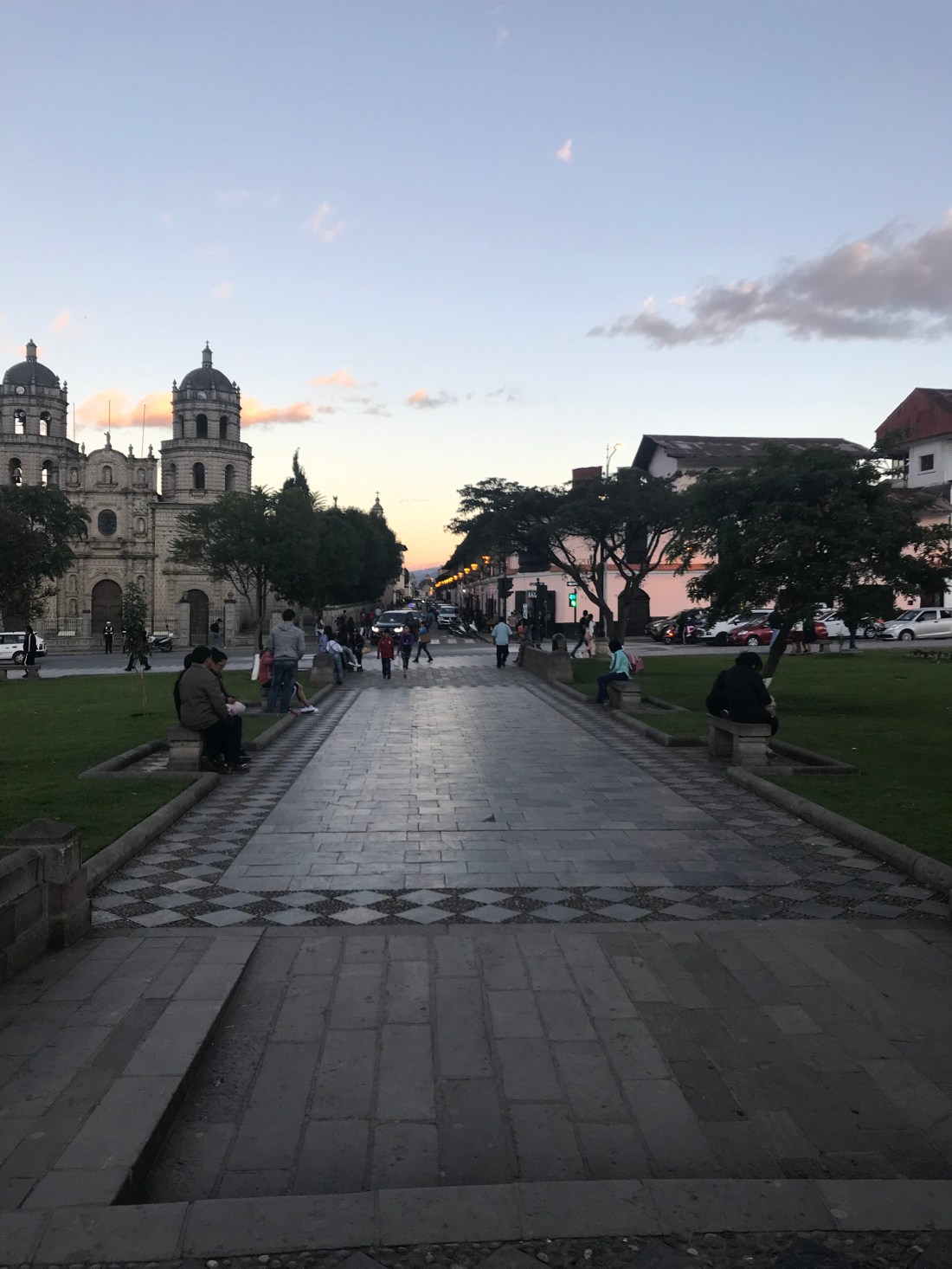
 Cajamarca is as charming of a city as you could wish for. Narrow streets, colonial churches, and women in petticoats and odd 10-gallon hats. The last Incan Emperor, Atawallpa, was captured by Pizarro and held hostage here. Atawallpa offered to fill 3 rooms with gold and silver in exchange for his freedom and ordered Cusco stripped of precious metals. Unfortunately, Pizarro took the gold and killed him anyway.
 It’s all fun and games until someone flies off the springy horse



 produce guy


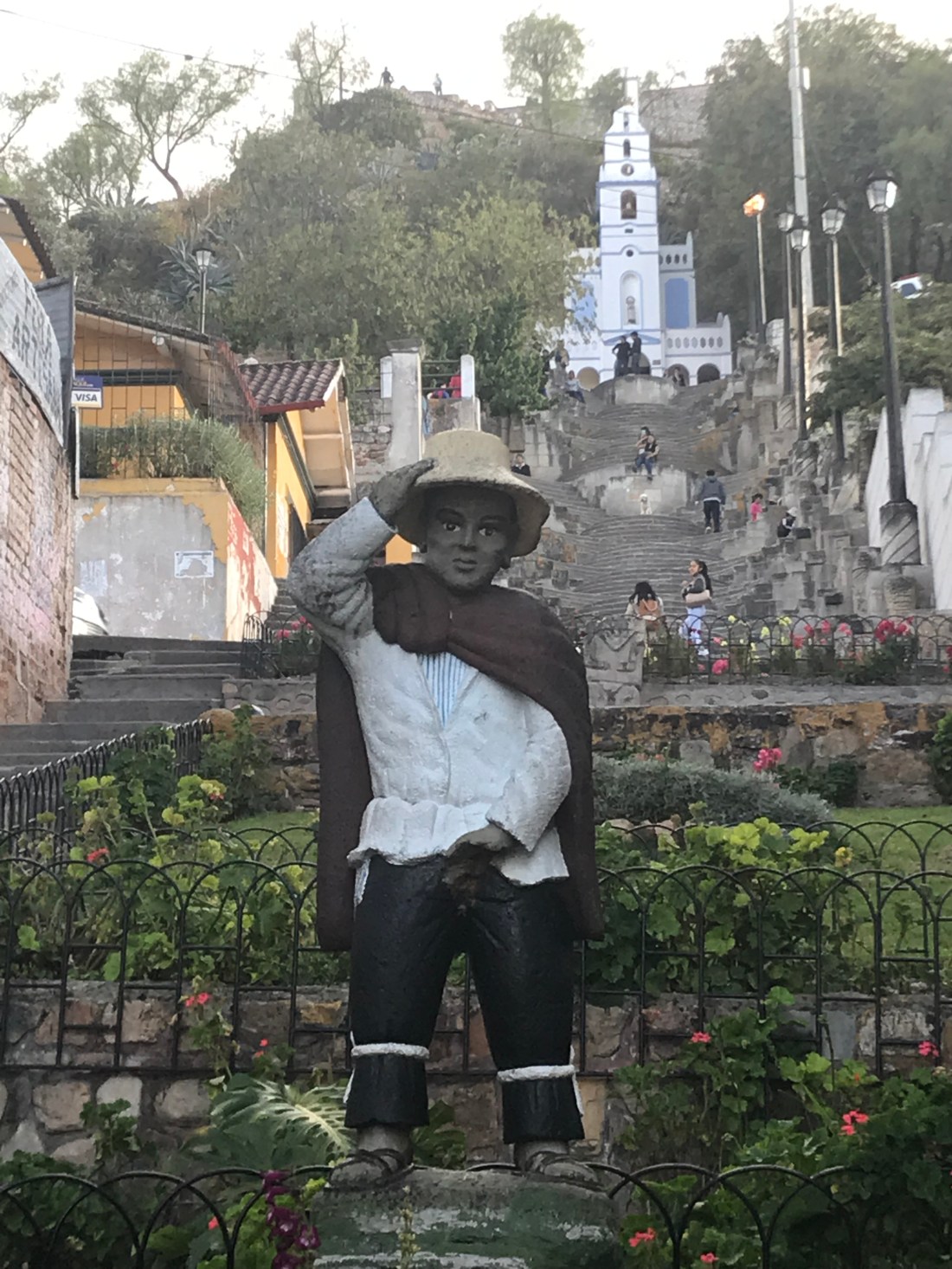
 Worst activity (per Erin and Aaron): Frequent conversations about how to be respectful to sculptures