
After spending almost all of this trip in the mountains, we decided to head for the coast for the last few weeks. Colombia borders both the Caribbean and Pacific Ocean, and has a diverse array of beach towns to choose from. Our goal was to see the Caribbean side, avoid complicated travel plans (no charter planes to islands or 6 hr bus rides), be able to swim AND hike, and hopefully, not be surrounded by hoards of tourists. No problemo booking this last minute during high travel season.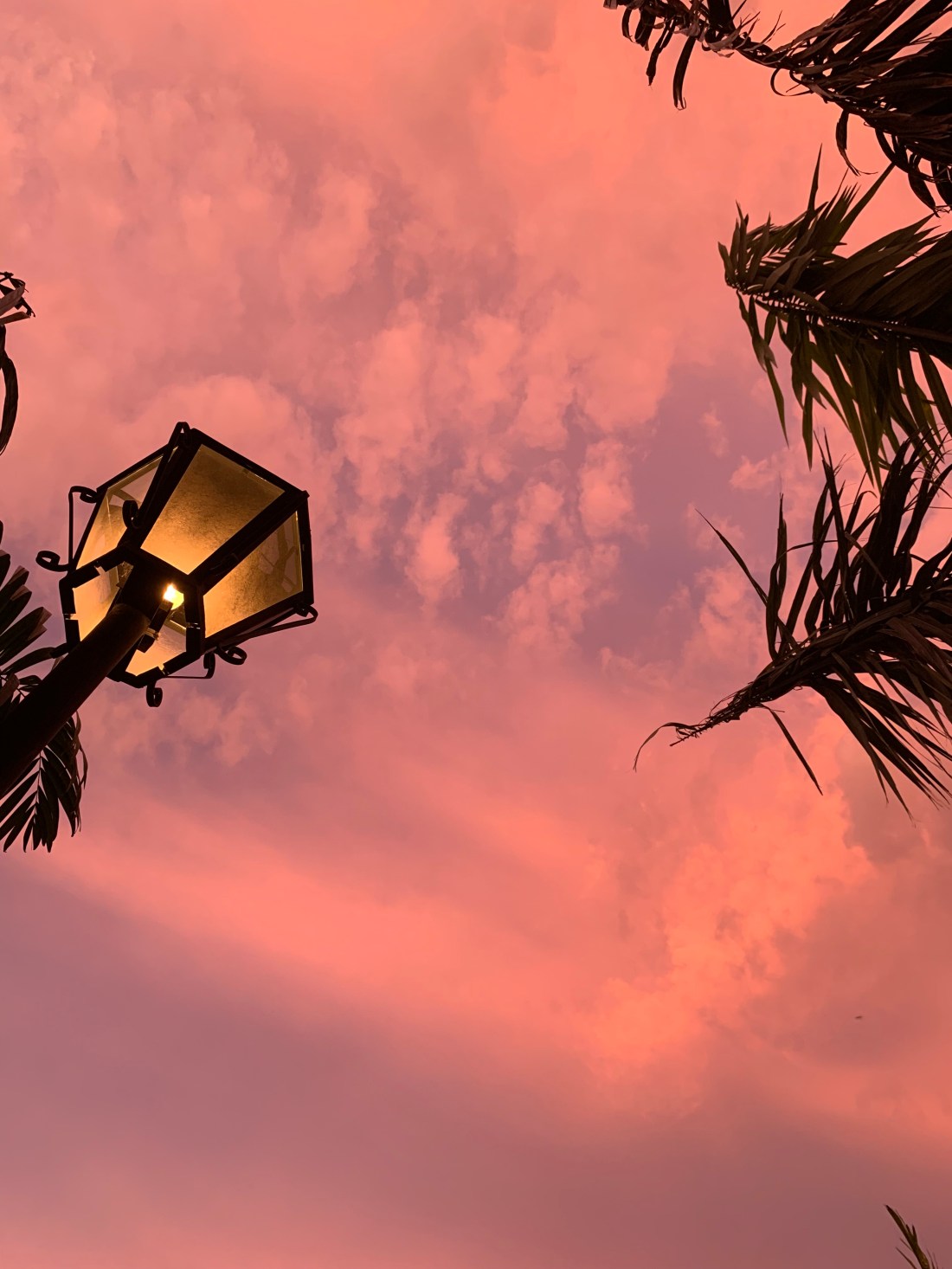
Santa Marta seemed like a good place to start. The town is on the coast with a gritty, dirty beach, and muggy overheated streets, but it is also the gateway to Tayrona National Park and the Lost City trek. Favorite Colombian islands and peninsulas didn’t seem far away. 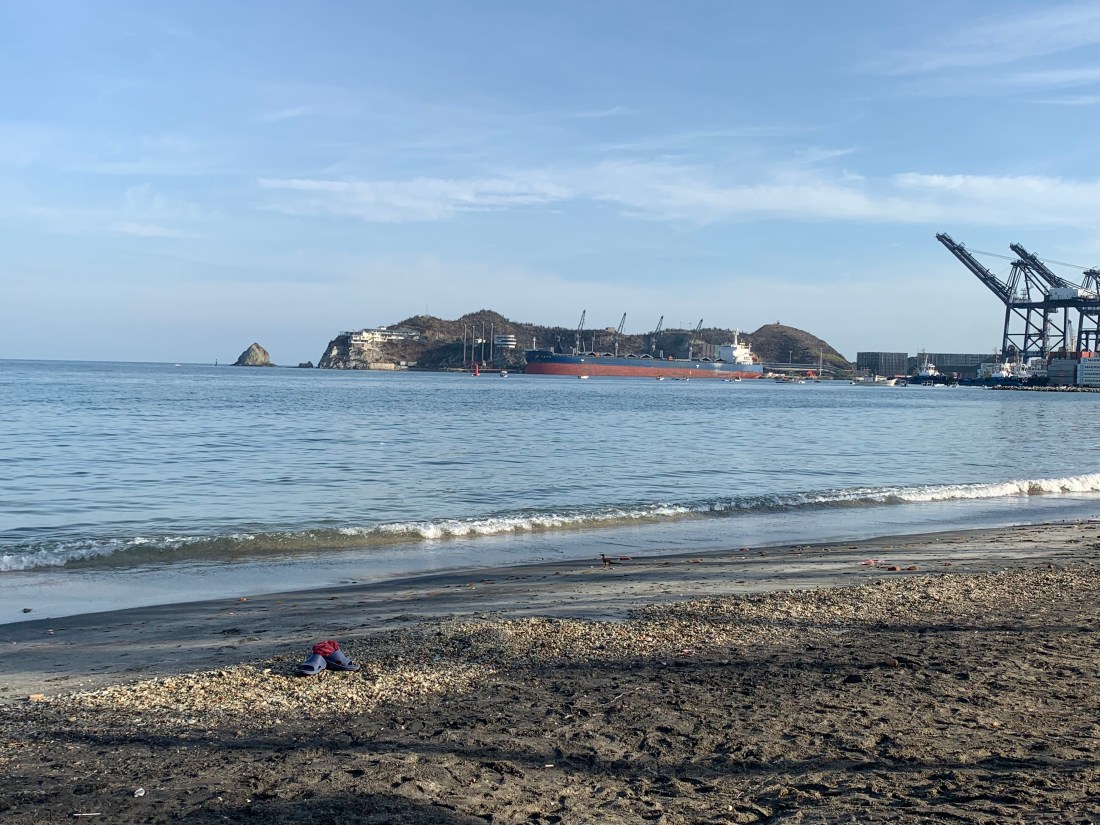
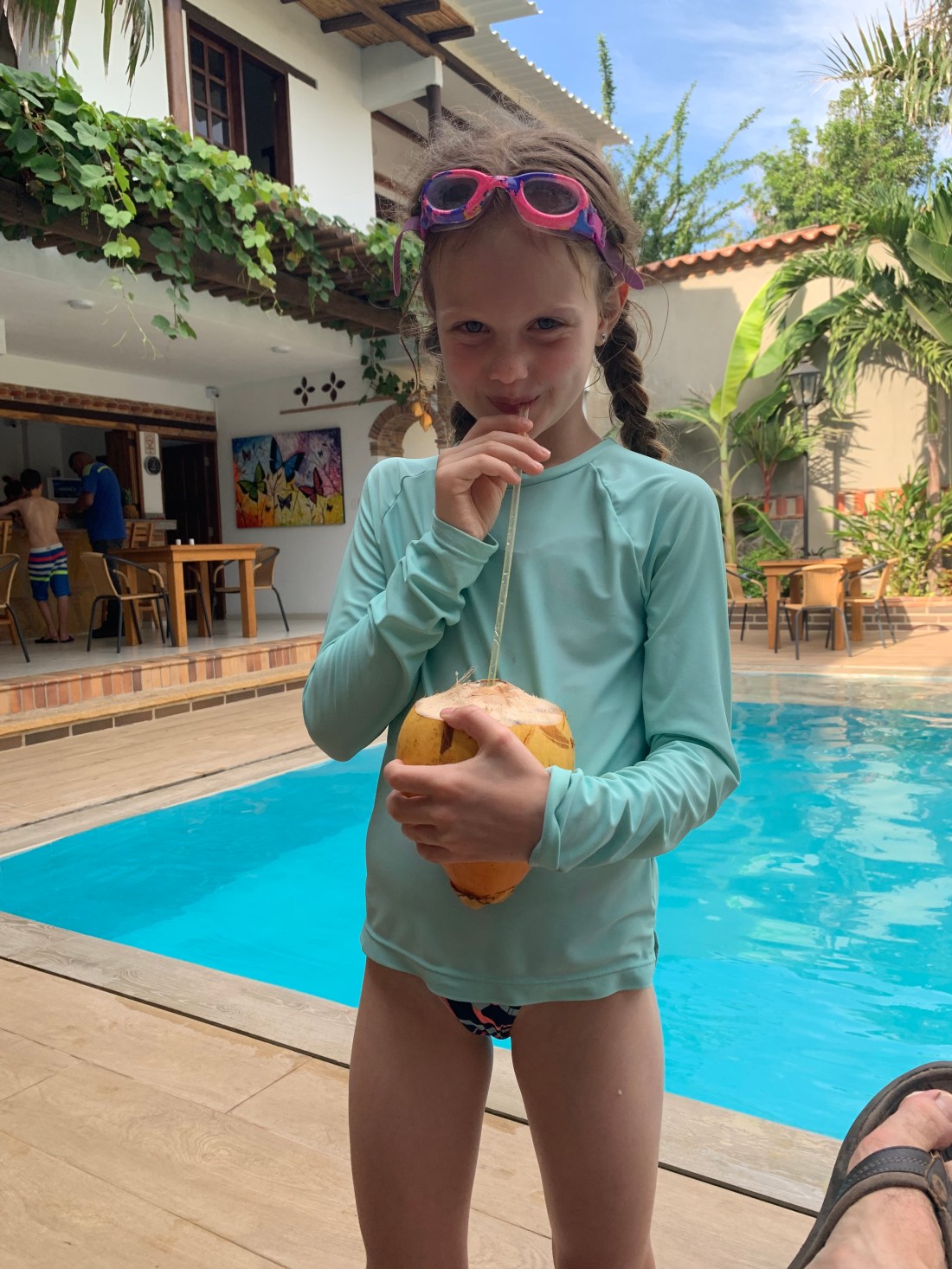
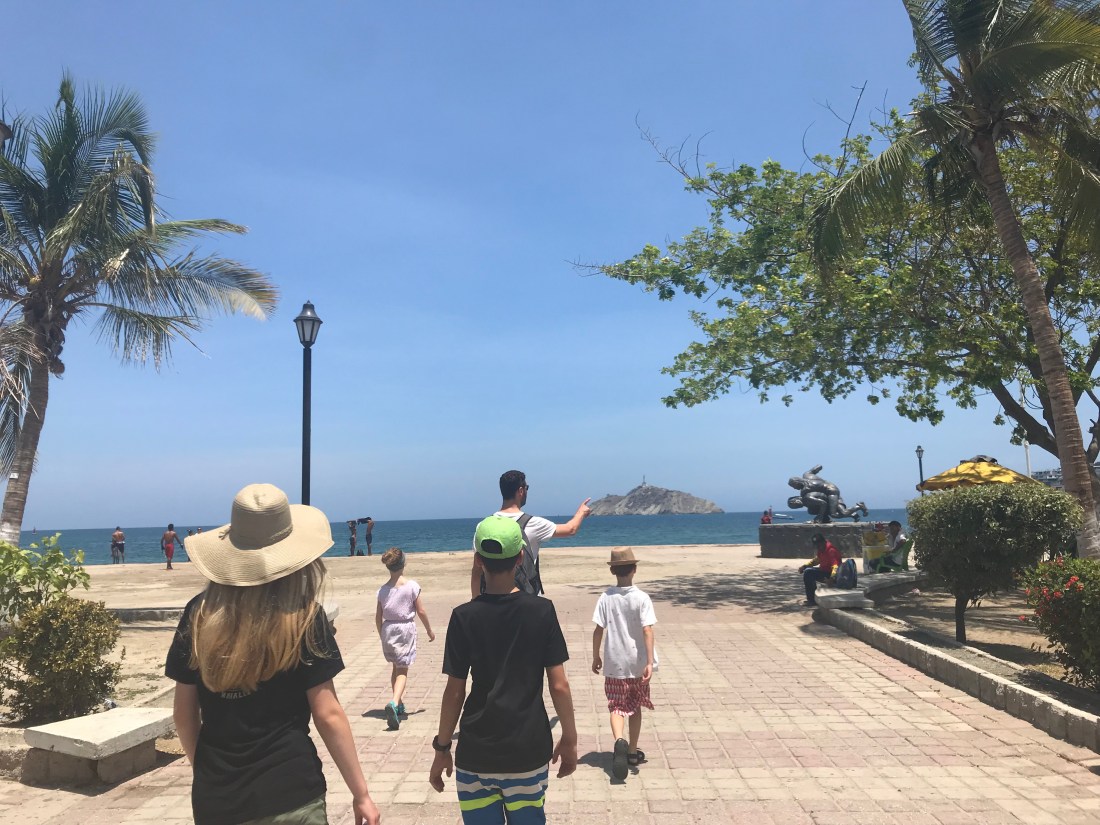 We booked a gem of a hotel to pause and regroup before setting off to a beach paradise.
 Since we had an afternoon free, we visited Santa Marta’s gold museum- which was fascinating – precolombina pottery, gold and tools. Many of the golden articles were fashioned into strange animal/man creatures. Bats were prominently featured and one headdress had 5 men crouching on winged bats – likely priests on their flights to ecstasy (or at least that is what the placard said). The museum was rounded out with a little exhibit about Simon Bolivar who died in Santa Marta after leading most of South America in its fight for freedom from Spain. (pictures not allowed in museums:()
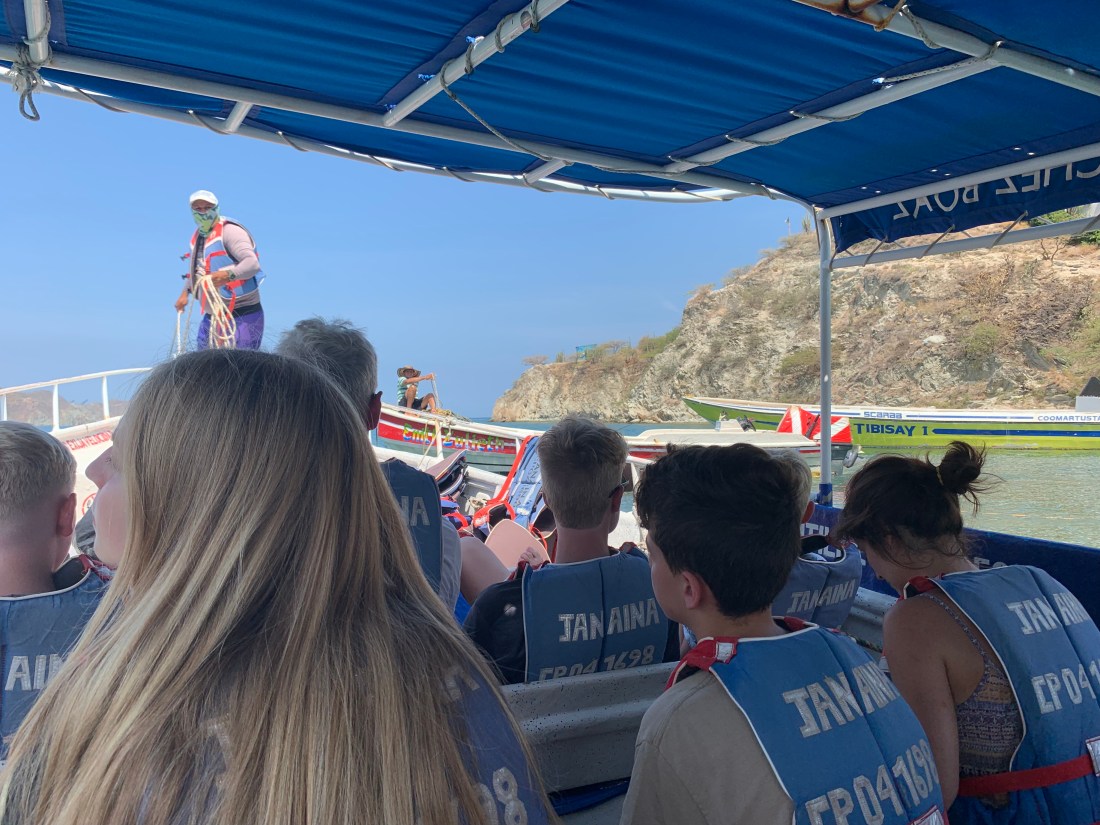
The beach paradise we sought came at a cost. Wachakyta (wa-cha-kee-ta) was nestled in Tayrona park, but the only way in was by a speed boat, jumping from wave to wave for 1 1/2 hours in the open ocean. I don’t have pictures because we were drenched coming and going and I needed all my hands and feet to keep myself in the boat. Pre board: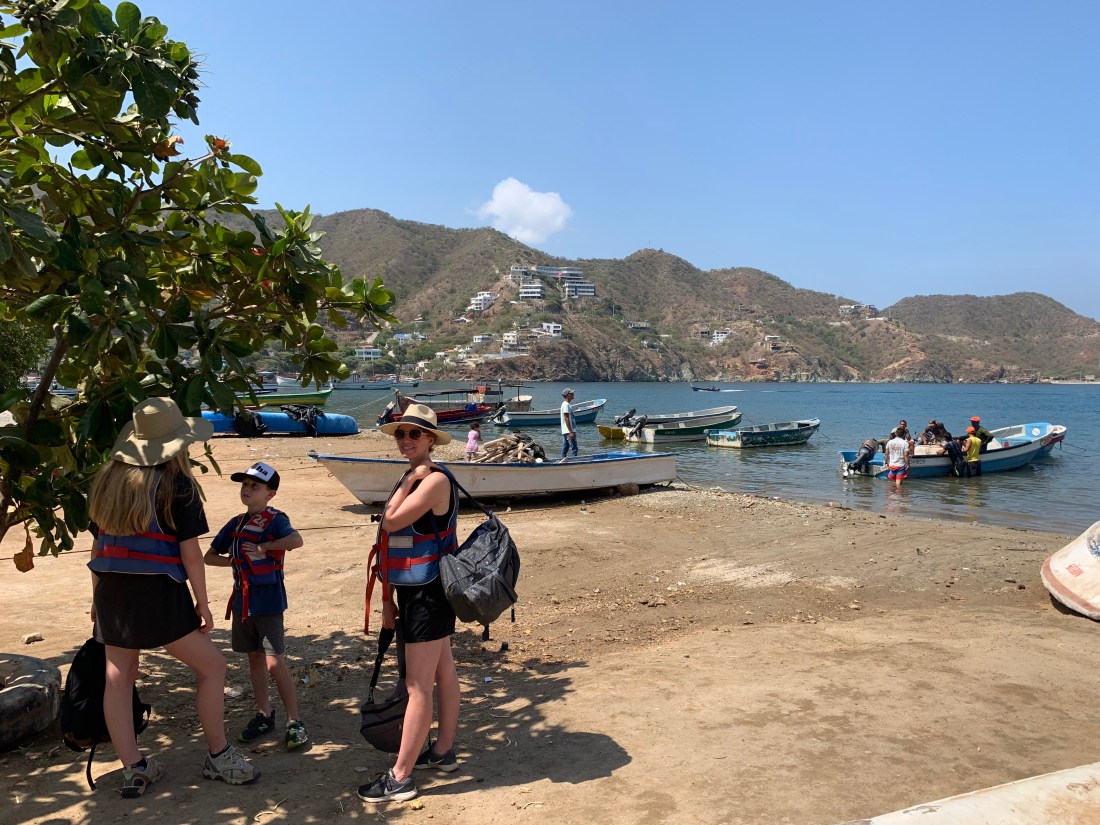
We were lucky to have one of only 3 cabins on the beach. The owner cautioned us that we are living in wild country and the animals were here first. Translation- “a bat lives in a niche in the ceiling and will poop everywhere and there are rats, spiders, and large cockroaches roaming around.” The bit about “living in nature” and “animal rights” must be better for business.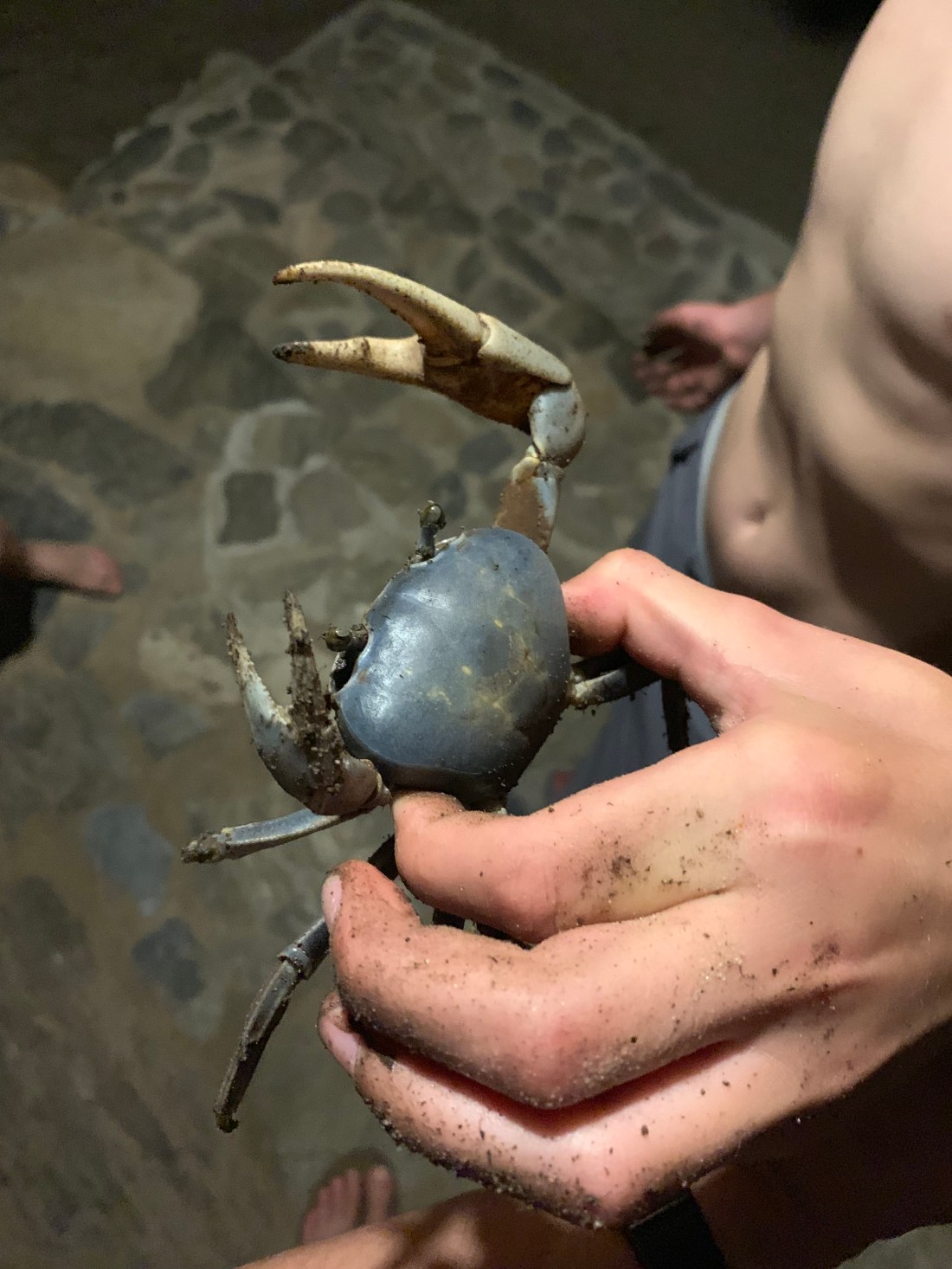
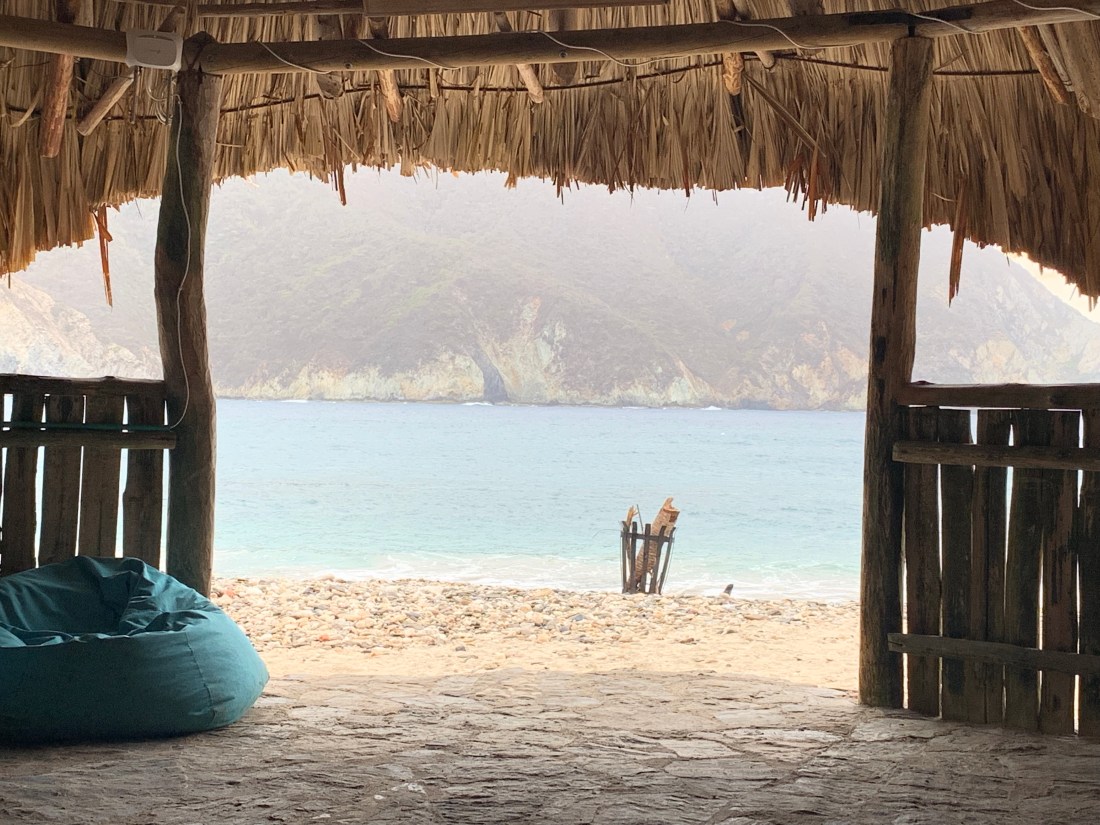
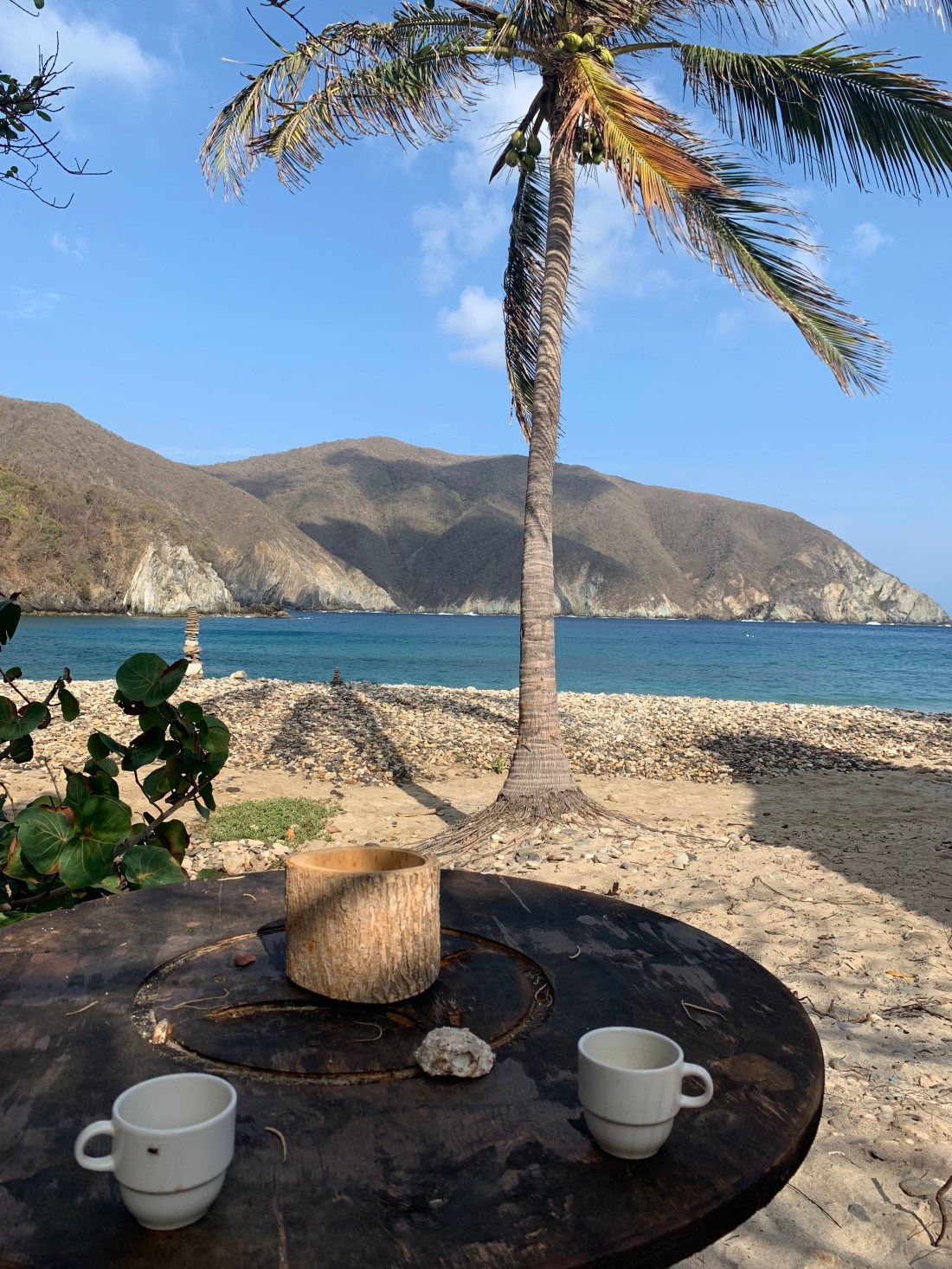
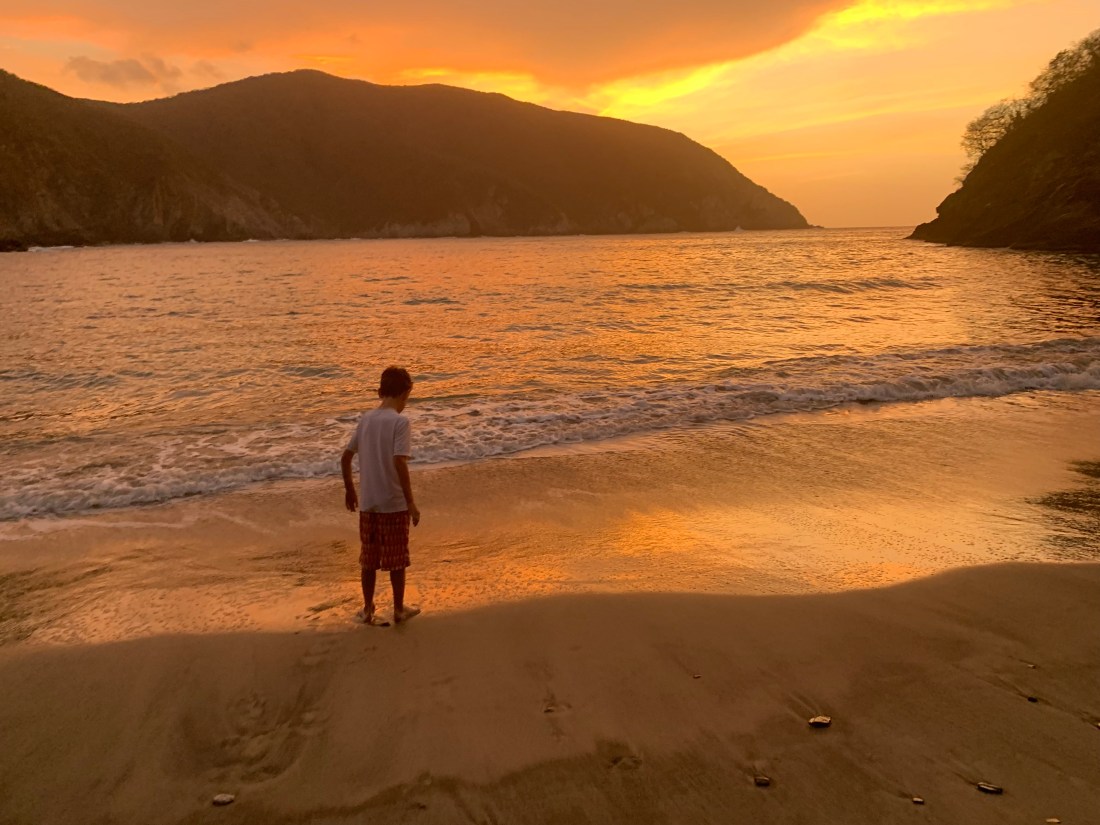
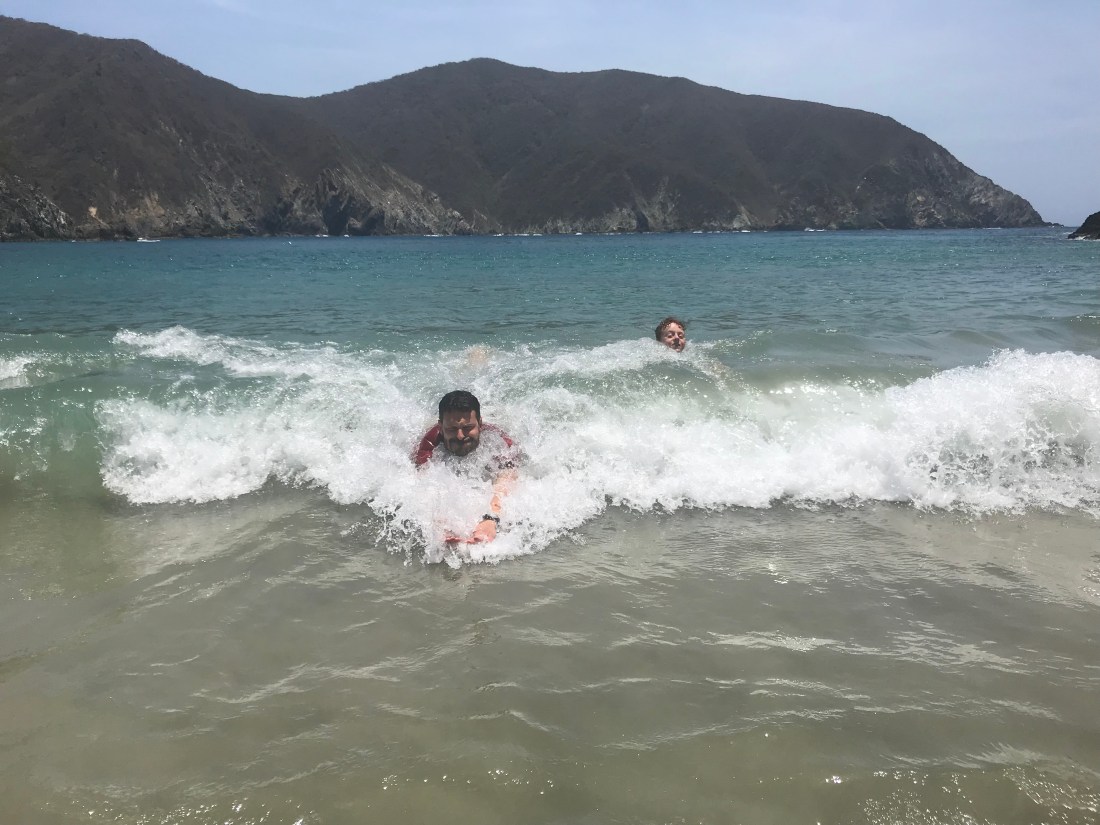
This all seemed like a small price to pay for a private beach, swimmable seas (rare in Tayrona), a little reef to snorkel around gorgeous sunsets and gorgeous new Dutch friends:)
 We love their unique personalities and the ability to feel like we know a few faces and where we are going within a few days. In new countries, we feel like we get a better sense of the traditional culture in more rural areas, too.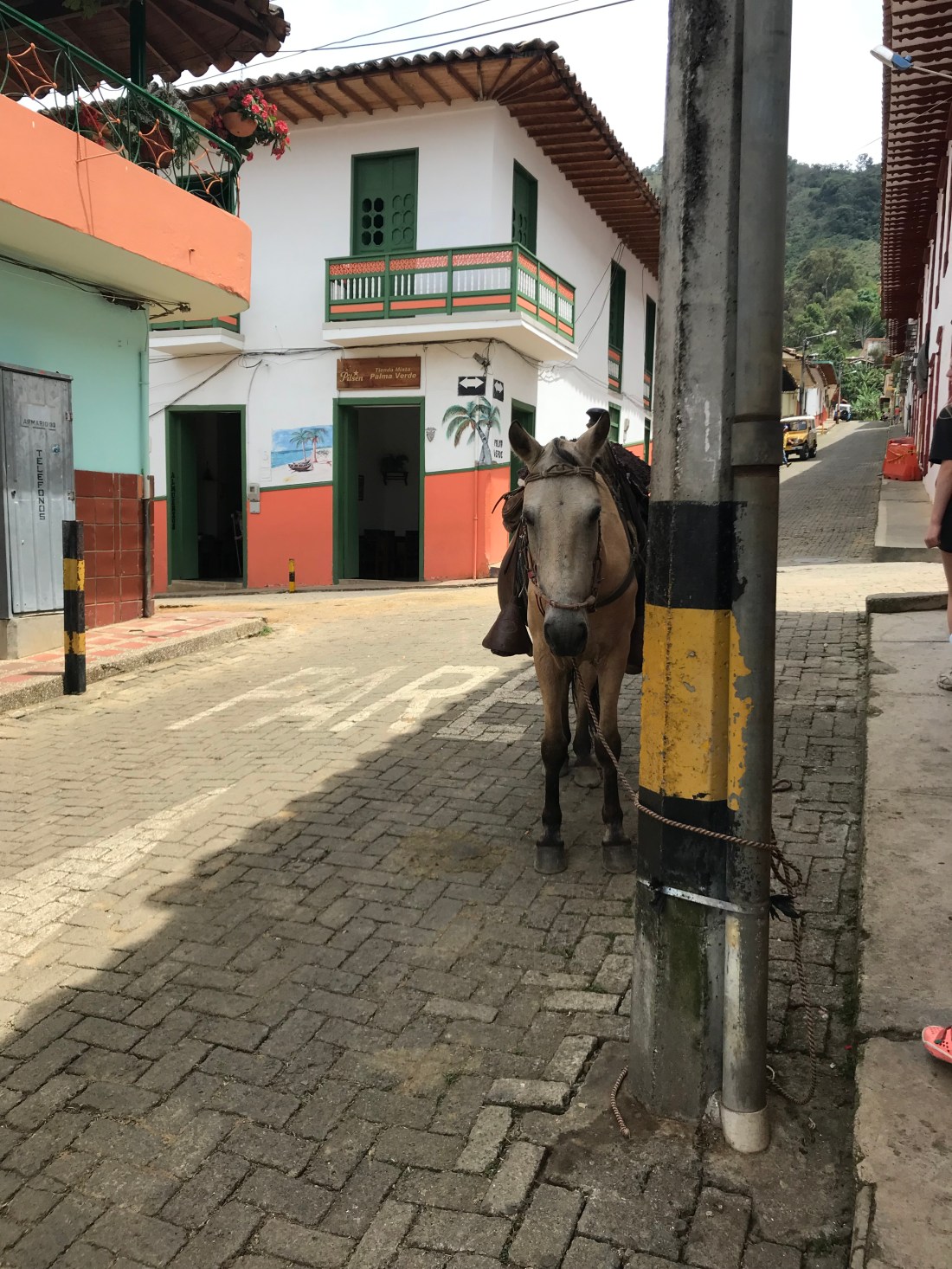
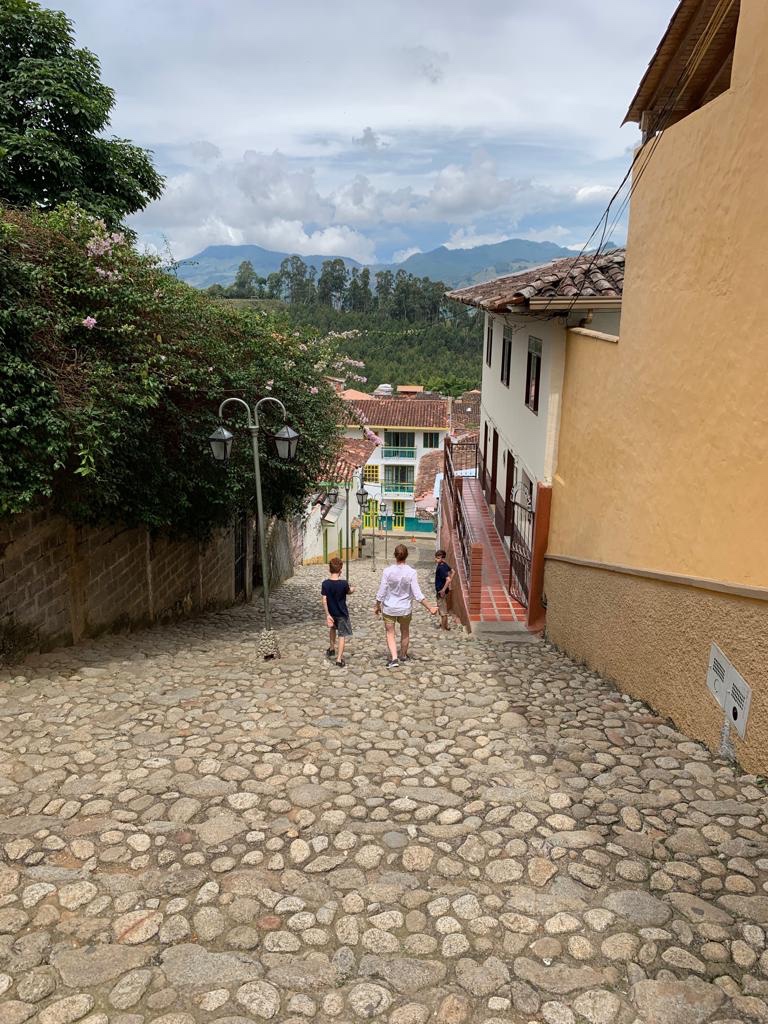
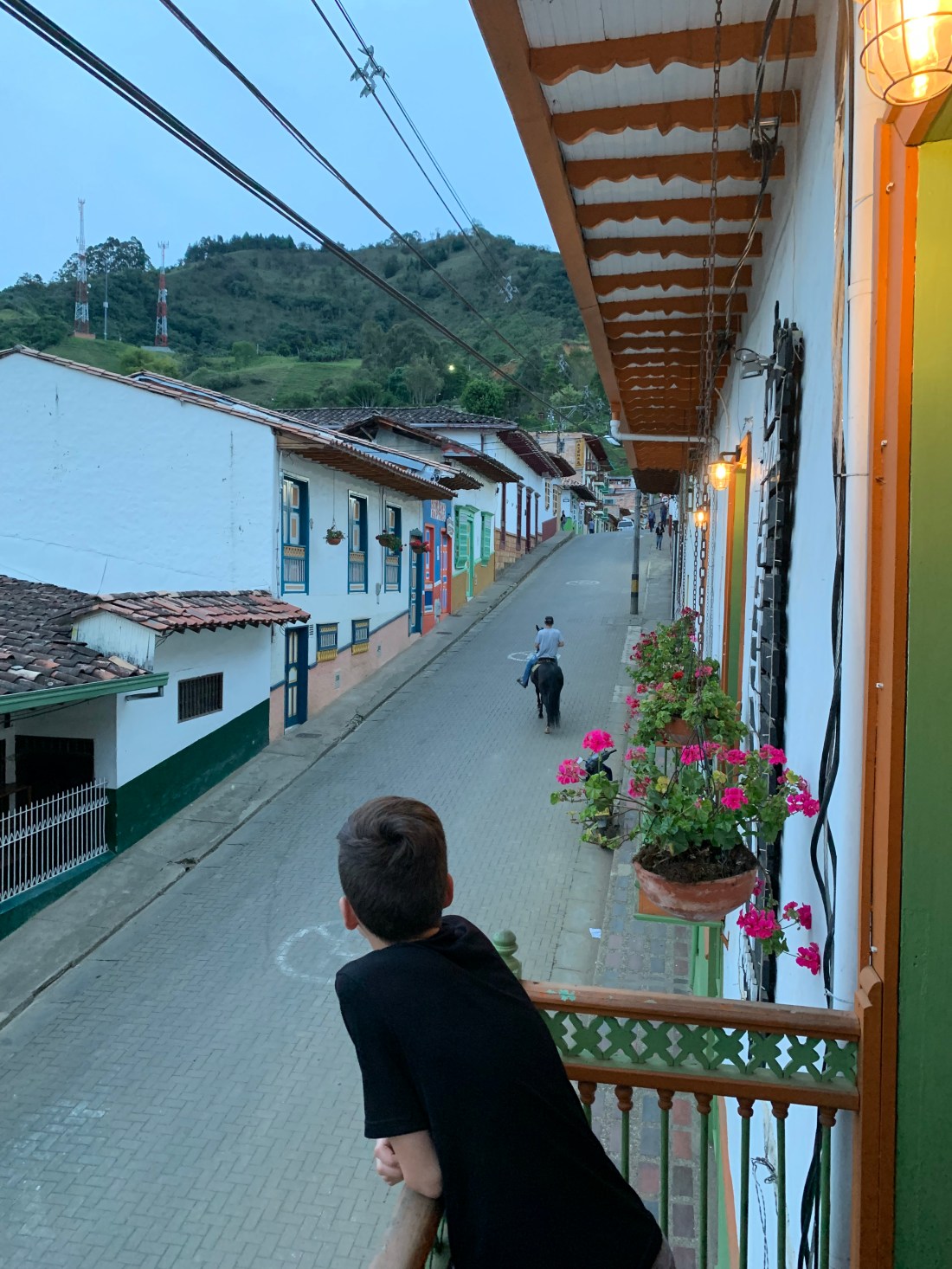 Jericó is about 4 hours from Medellin, up in the hills and surrounded by lush jungle forests. Like most South American towns, the town surrounds a central plaza with a handful of gorgeous churches and charming cobblestone streets.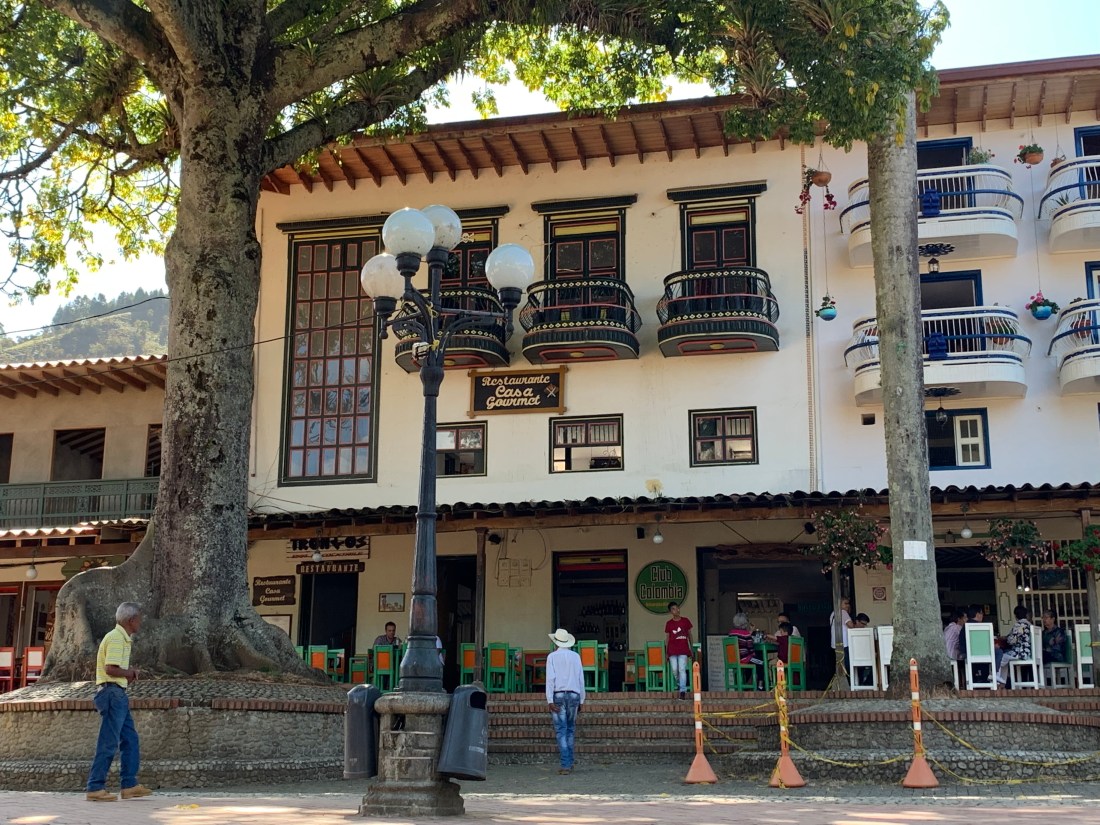
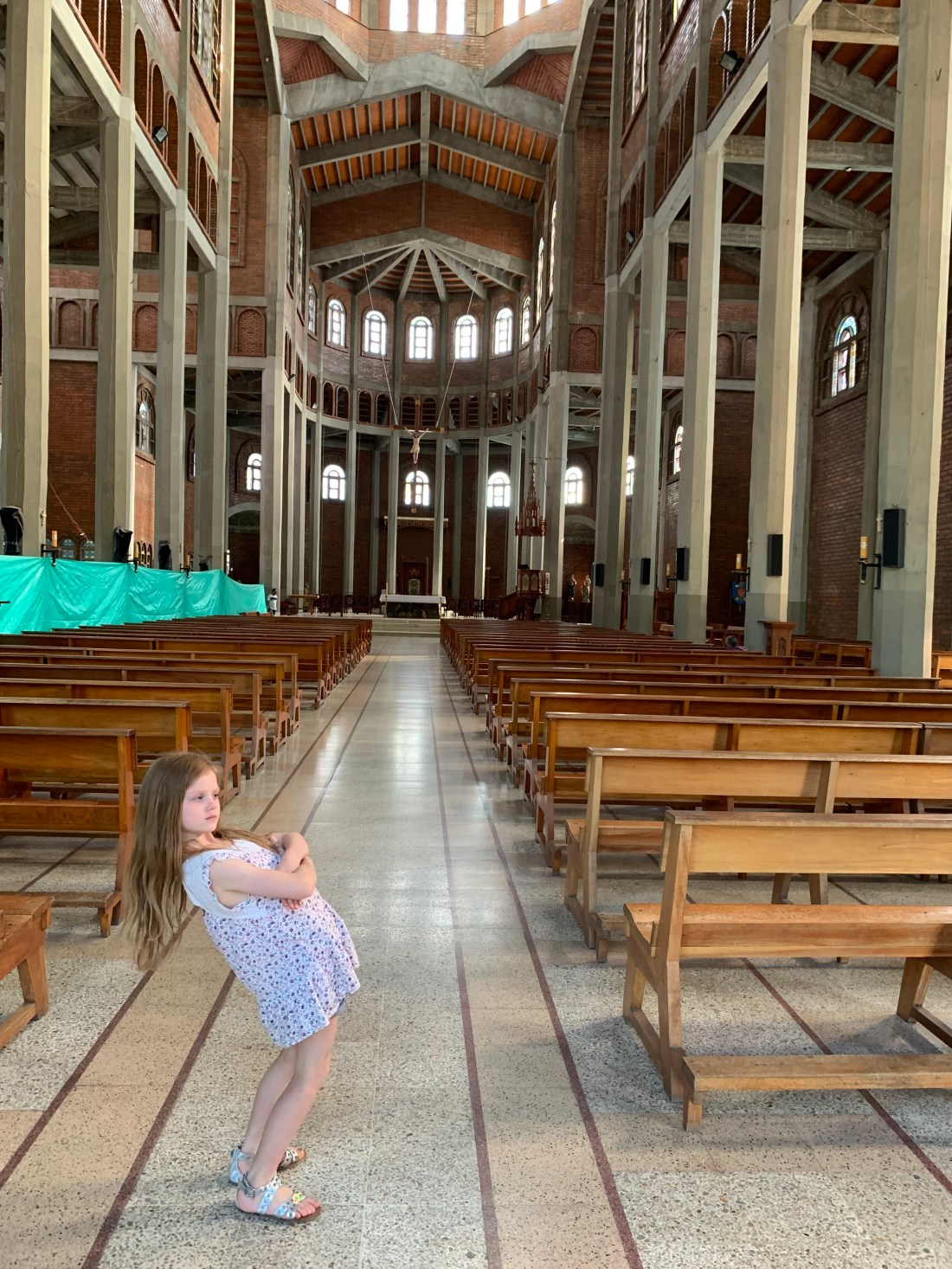
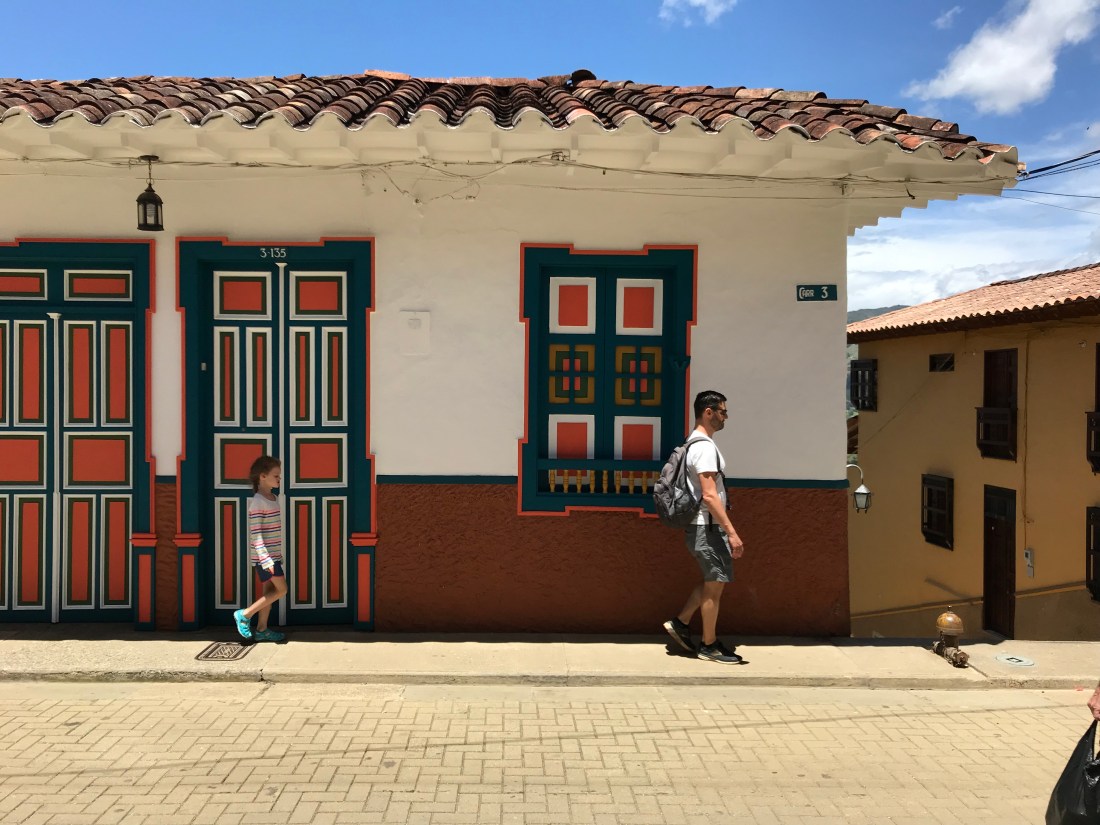 Jericó also boasts a riot of colorful homes with wild balconies and doors trimmed out.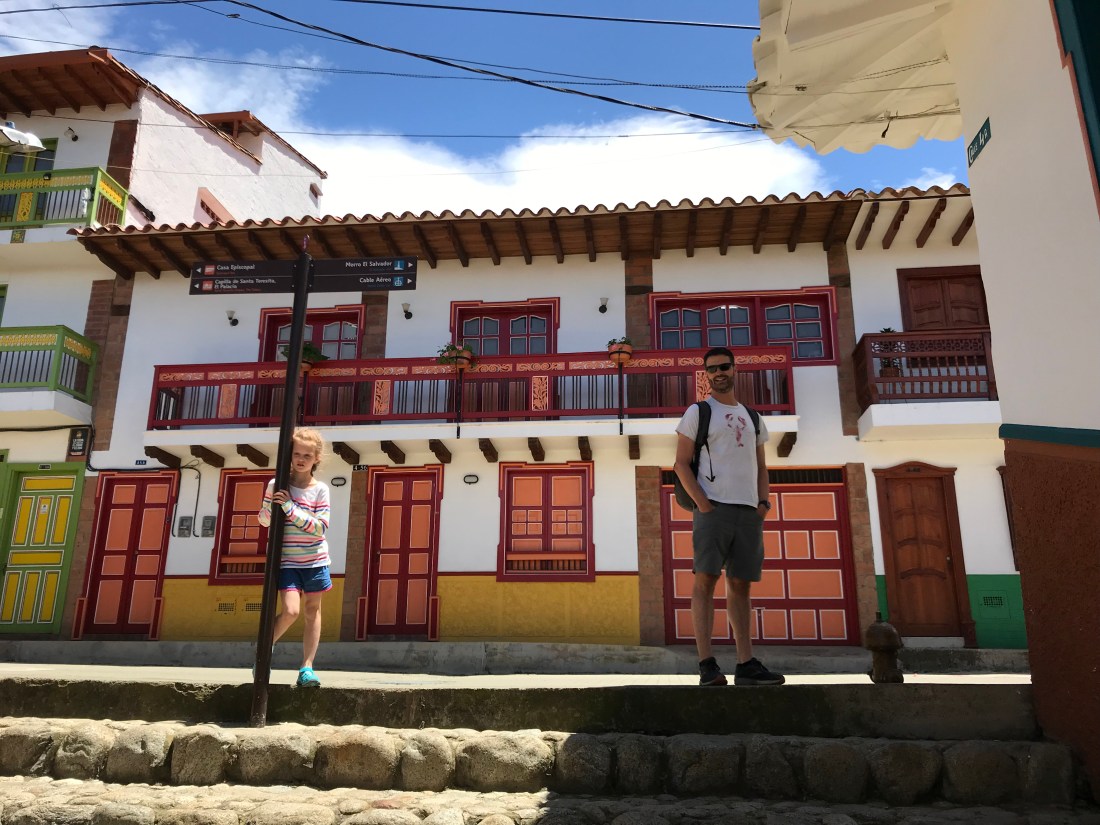
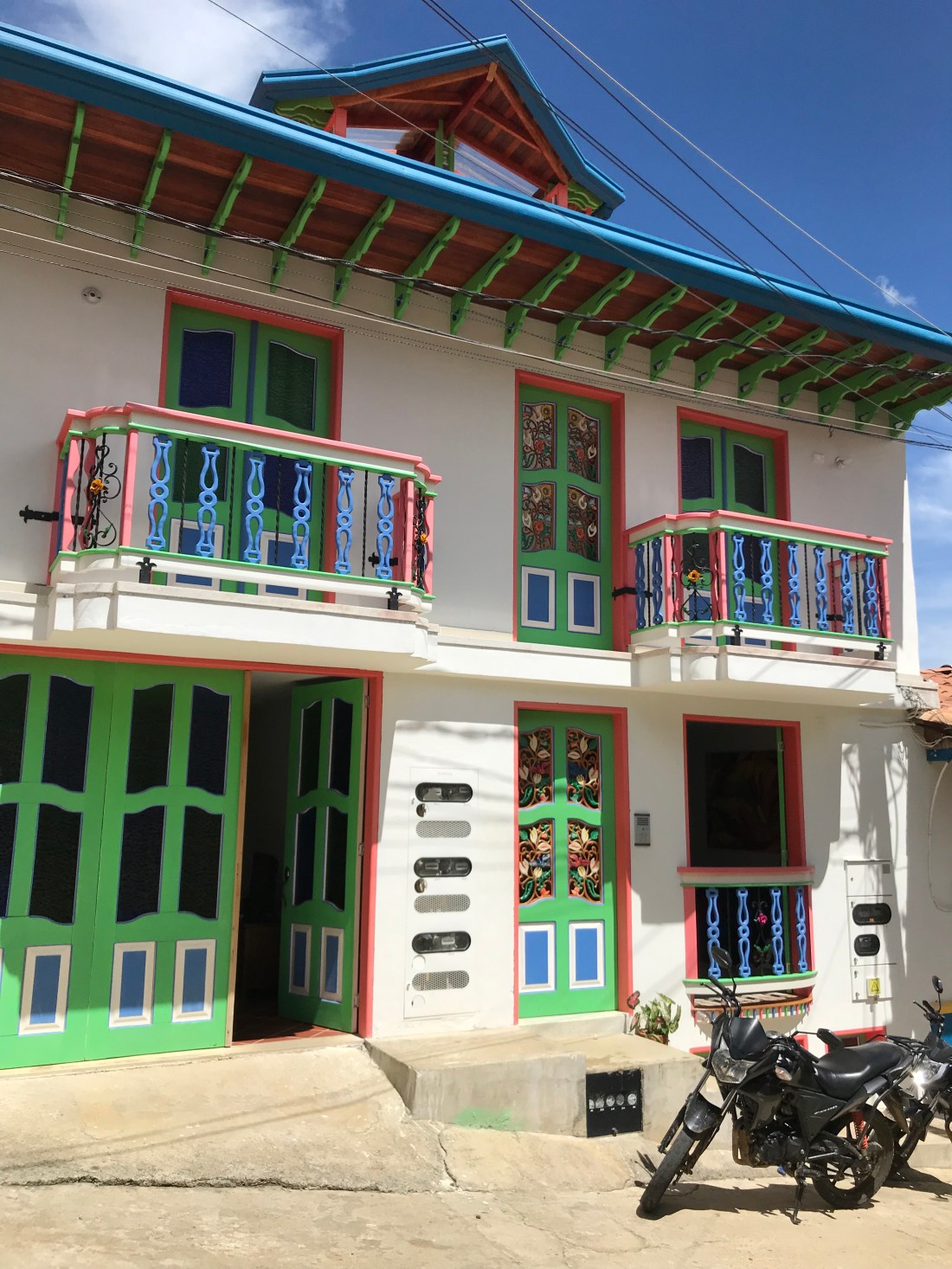 We were happy wandering
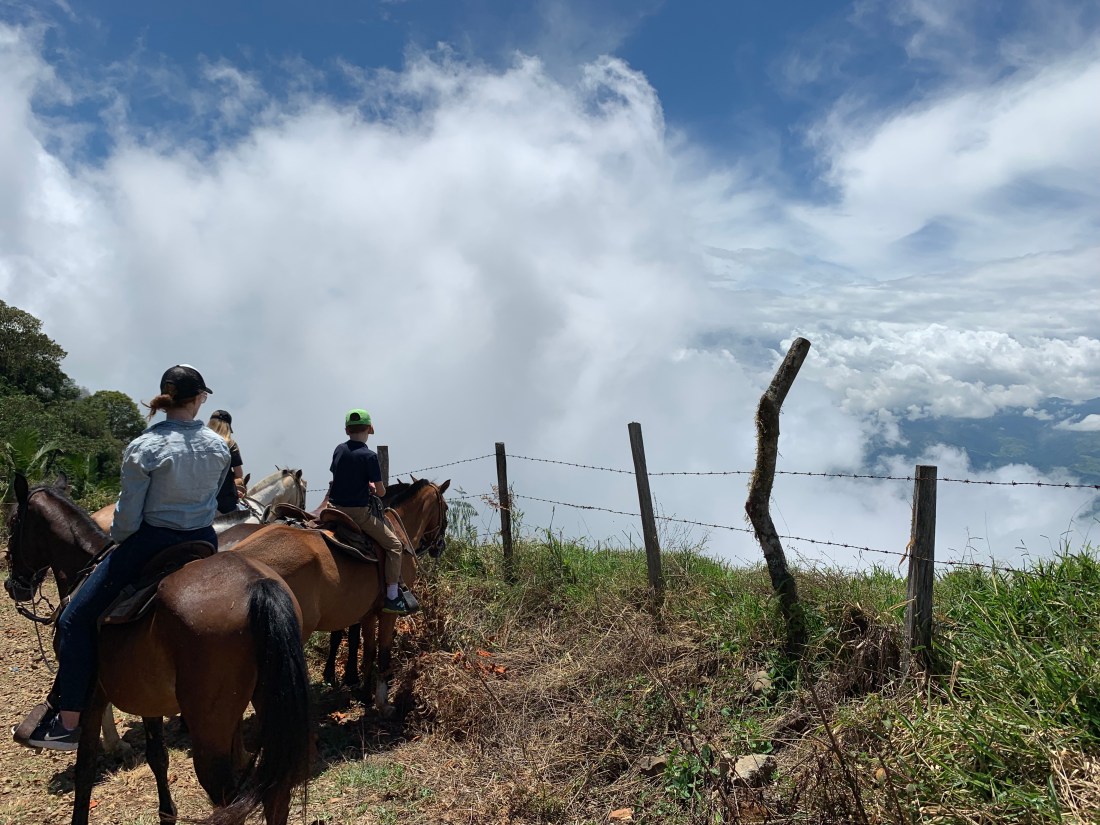
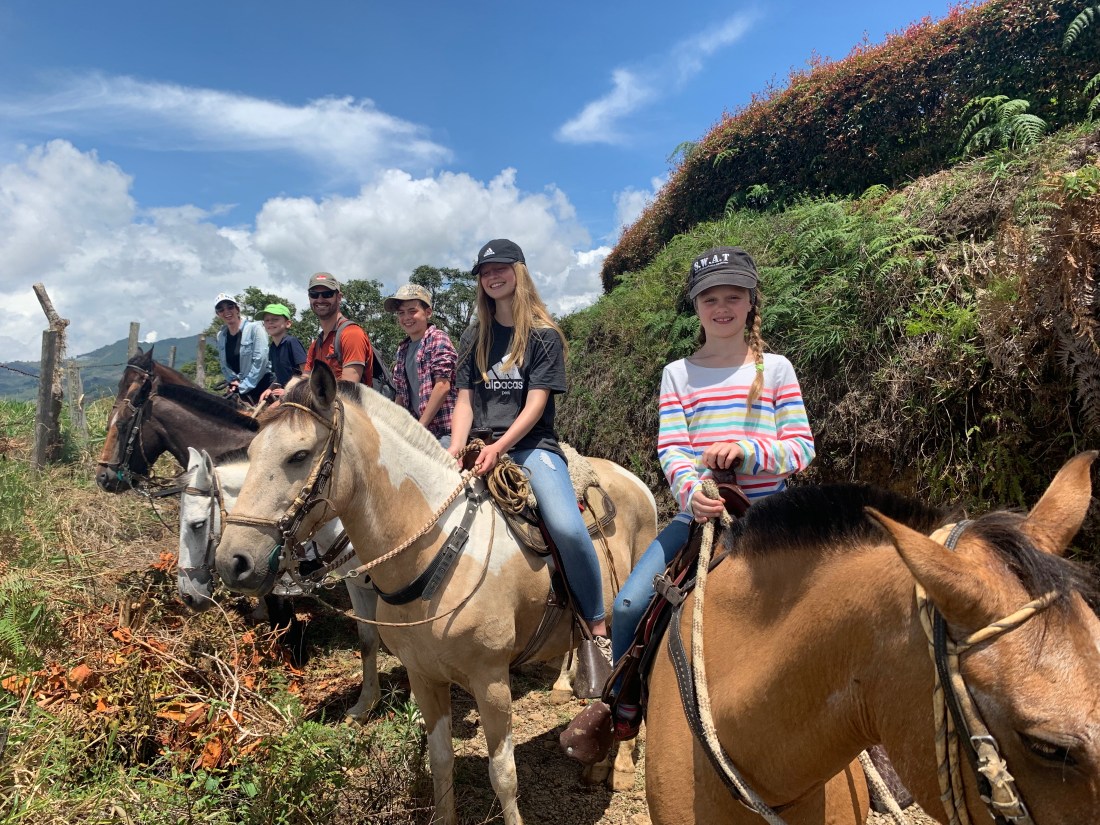
  hiring some horses for a ride through a cloud forest,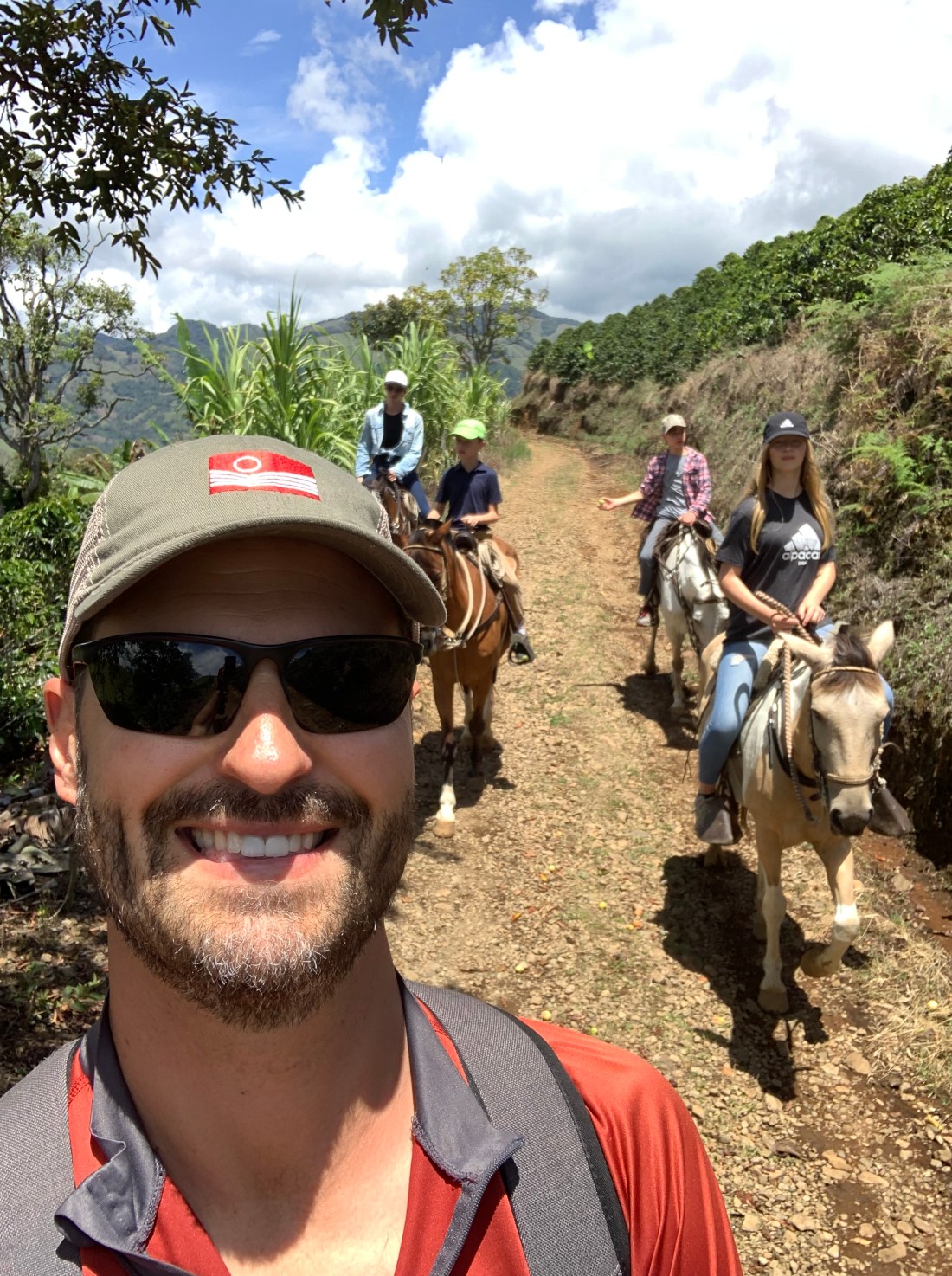
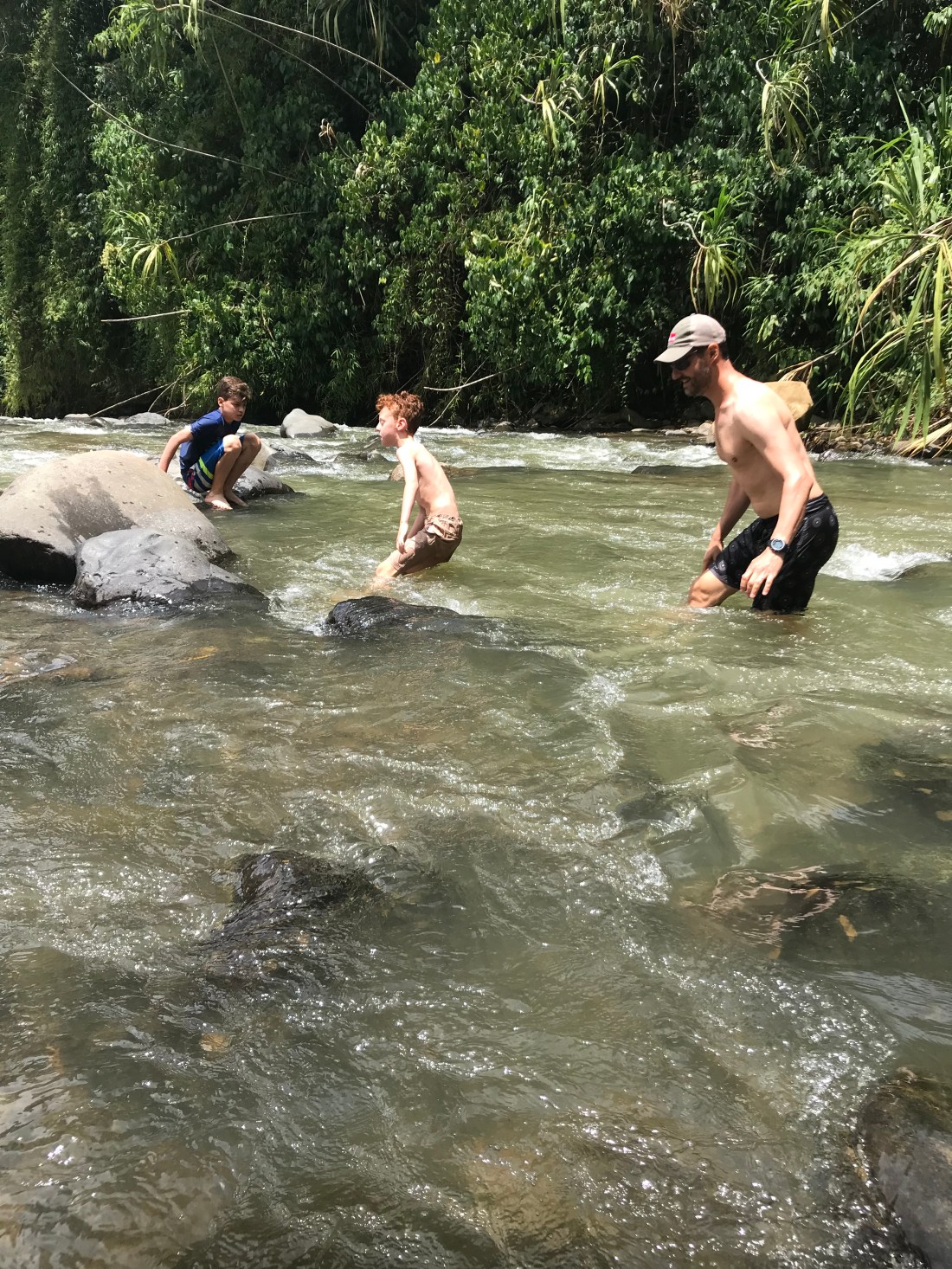
 finding a river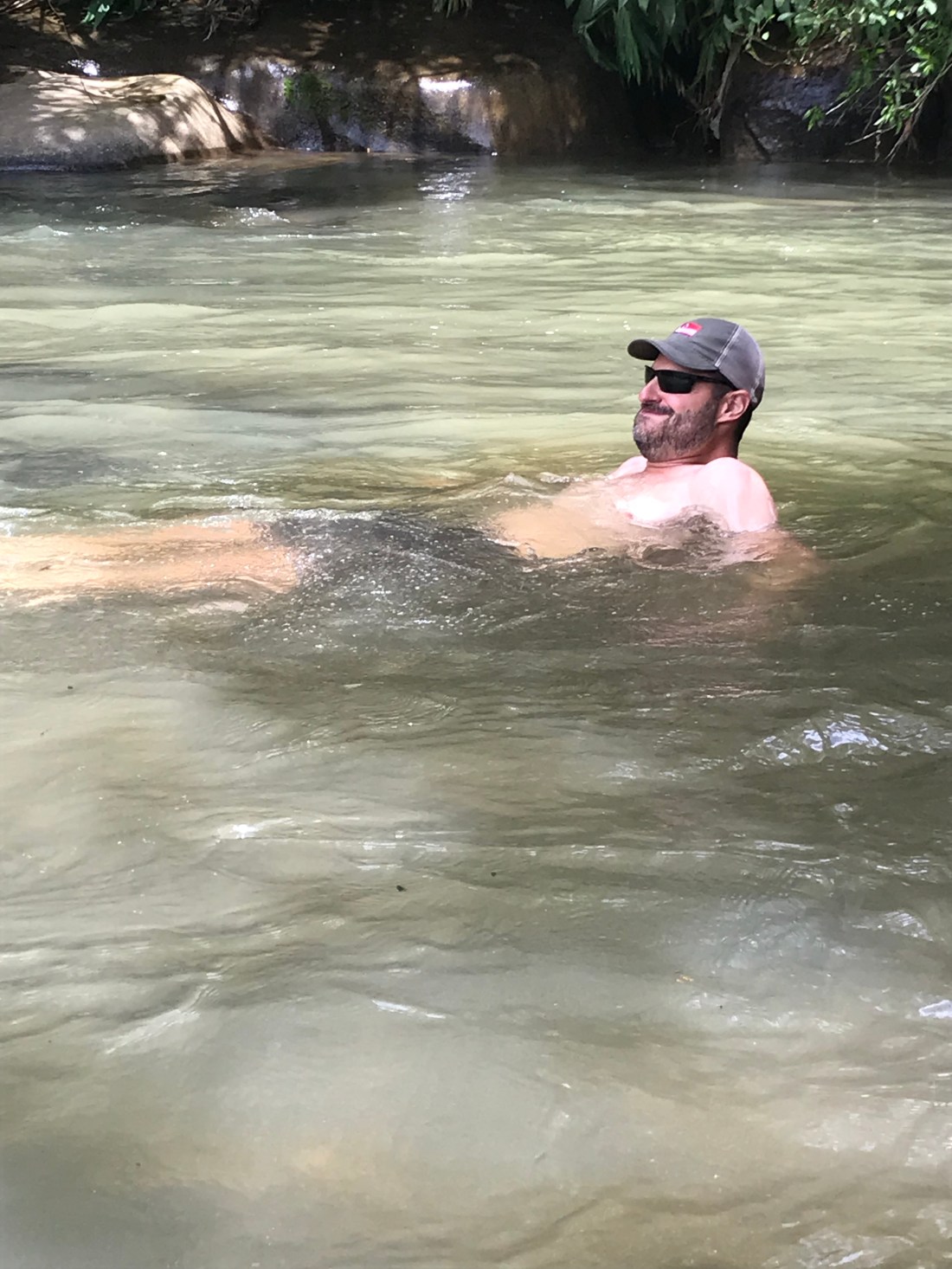
 and hiking up to the Virgin de la peña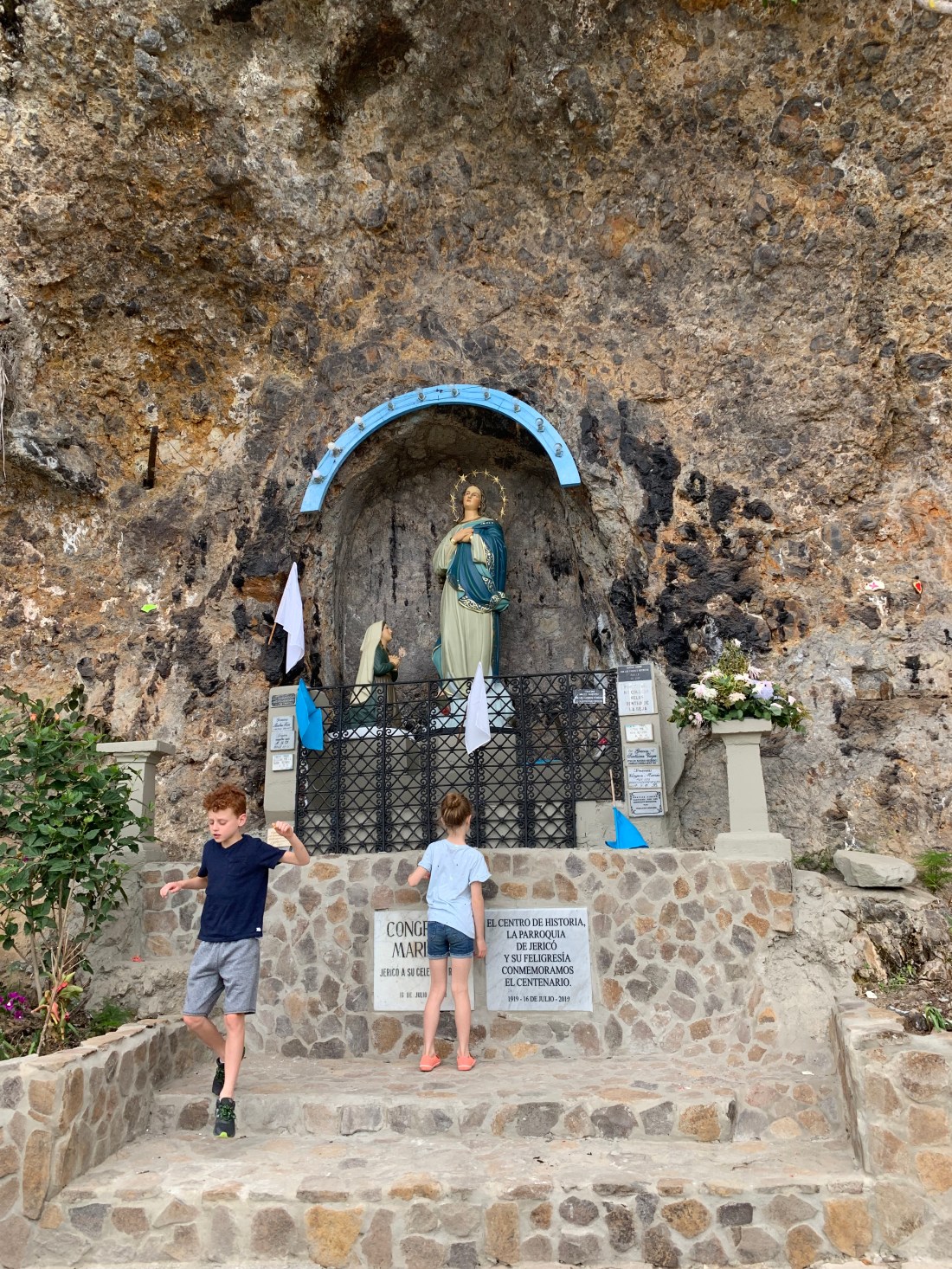
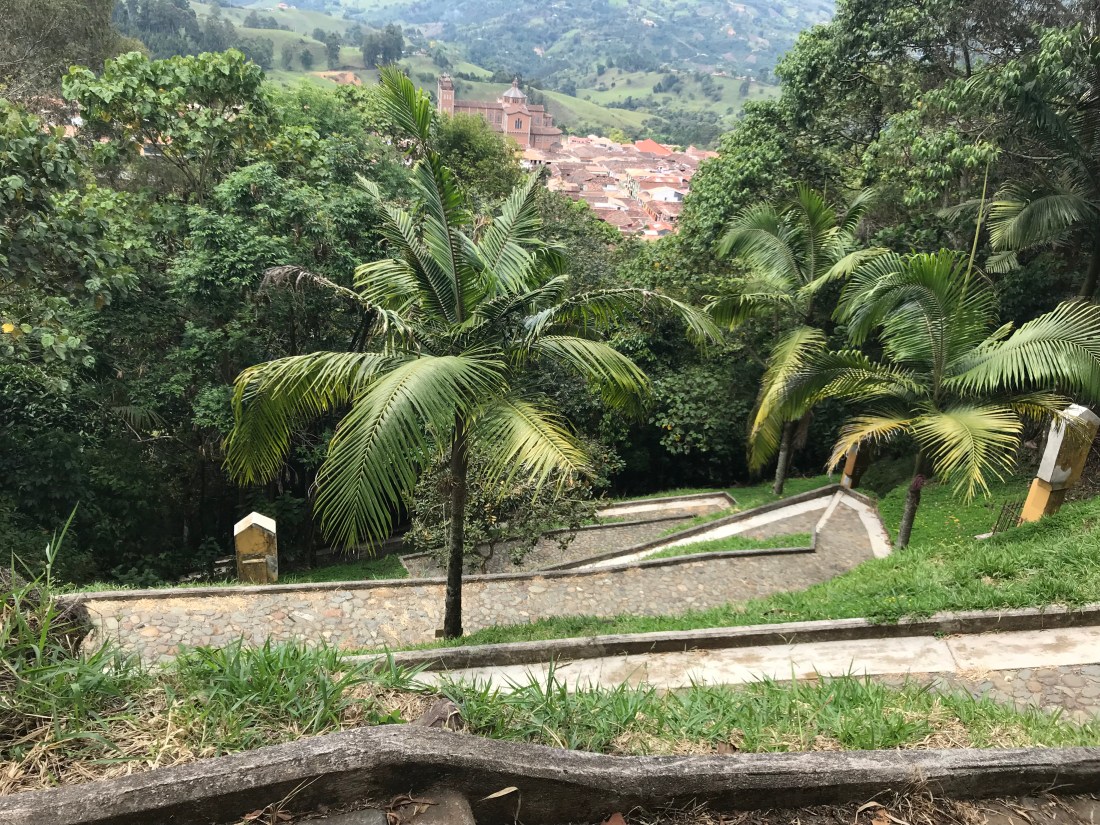 or up to Cristo de Rez,
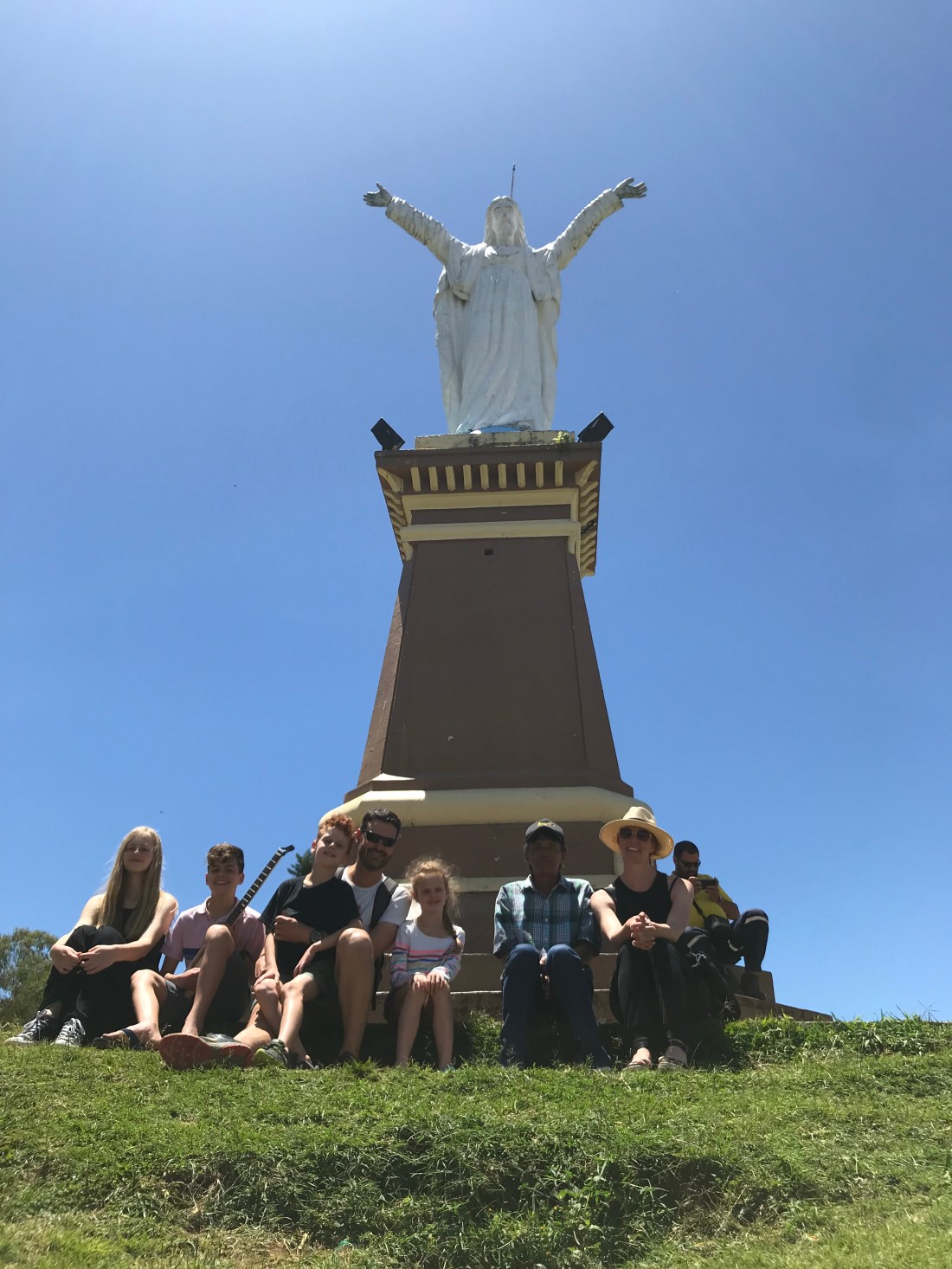
 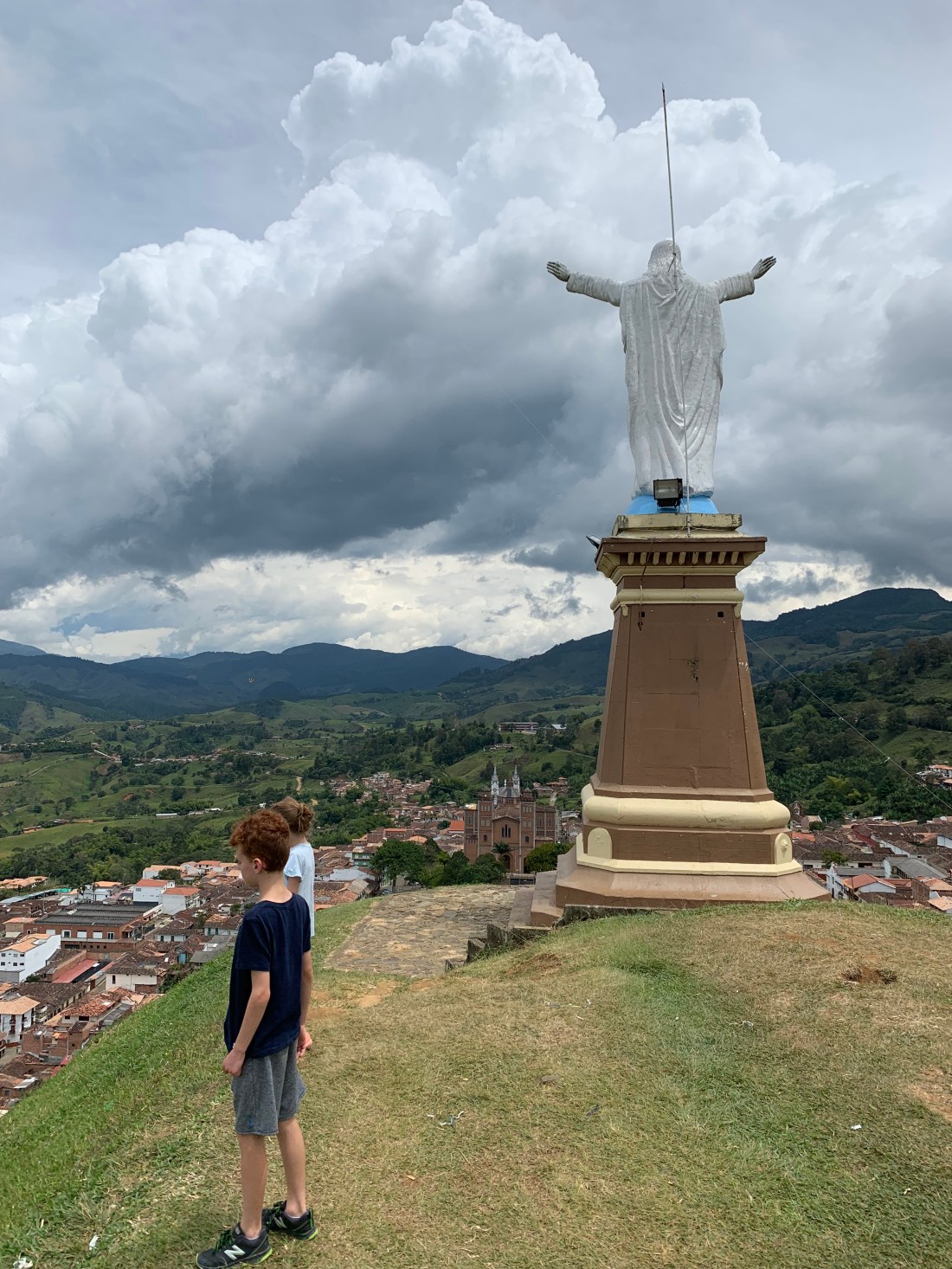 or up up up. Everything was uphill both ways. Side note – we had a family photo shoot at Cristo de Rez due to an irresistible and extremely energetic budding tour guide. You will see him in this family photo.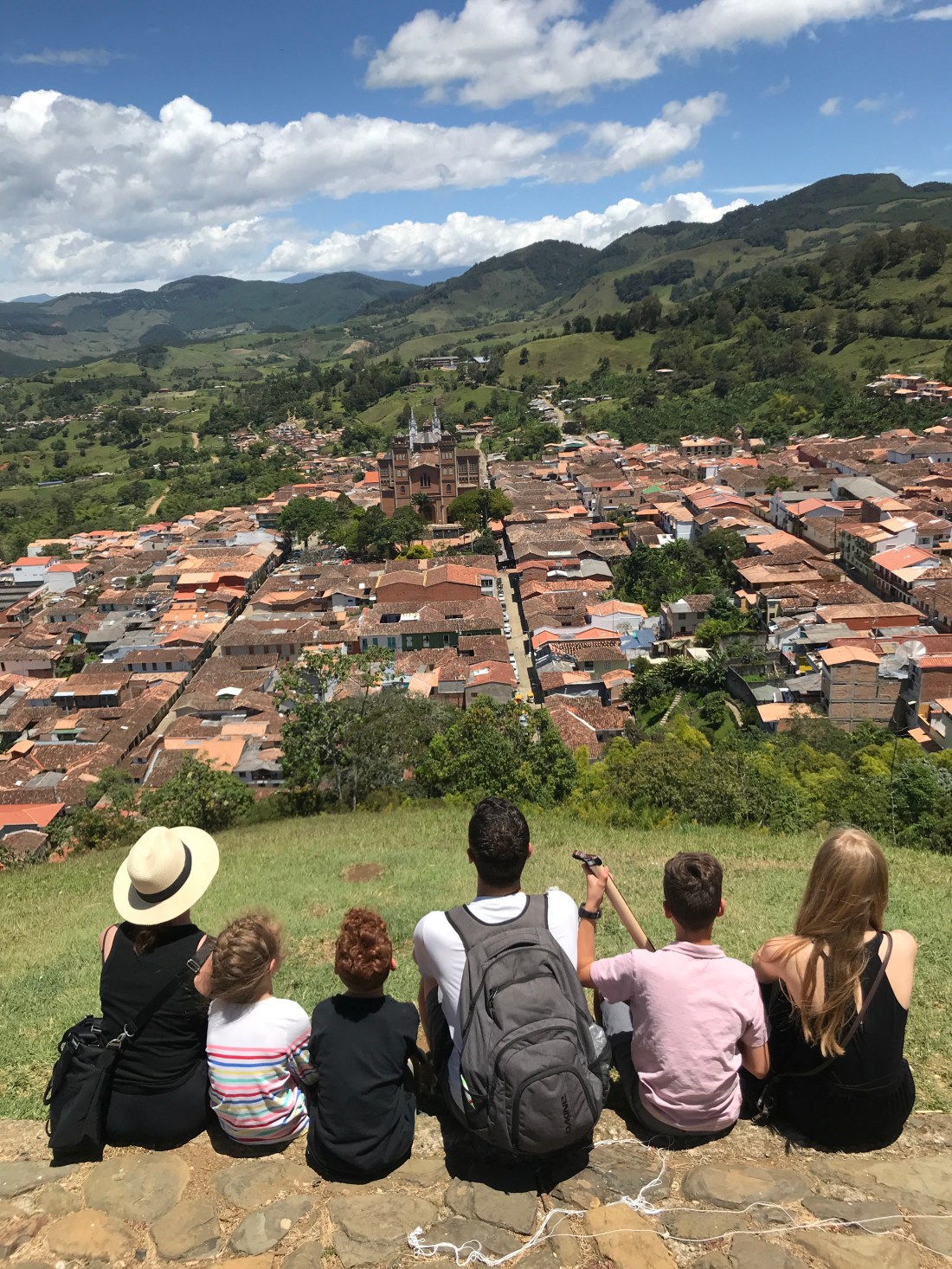
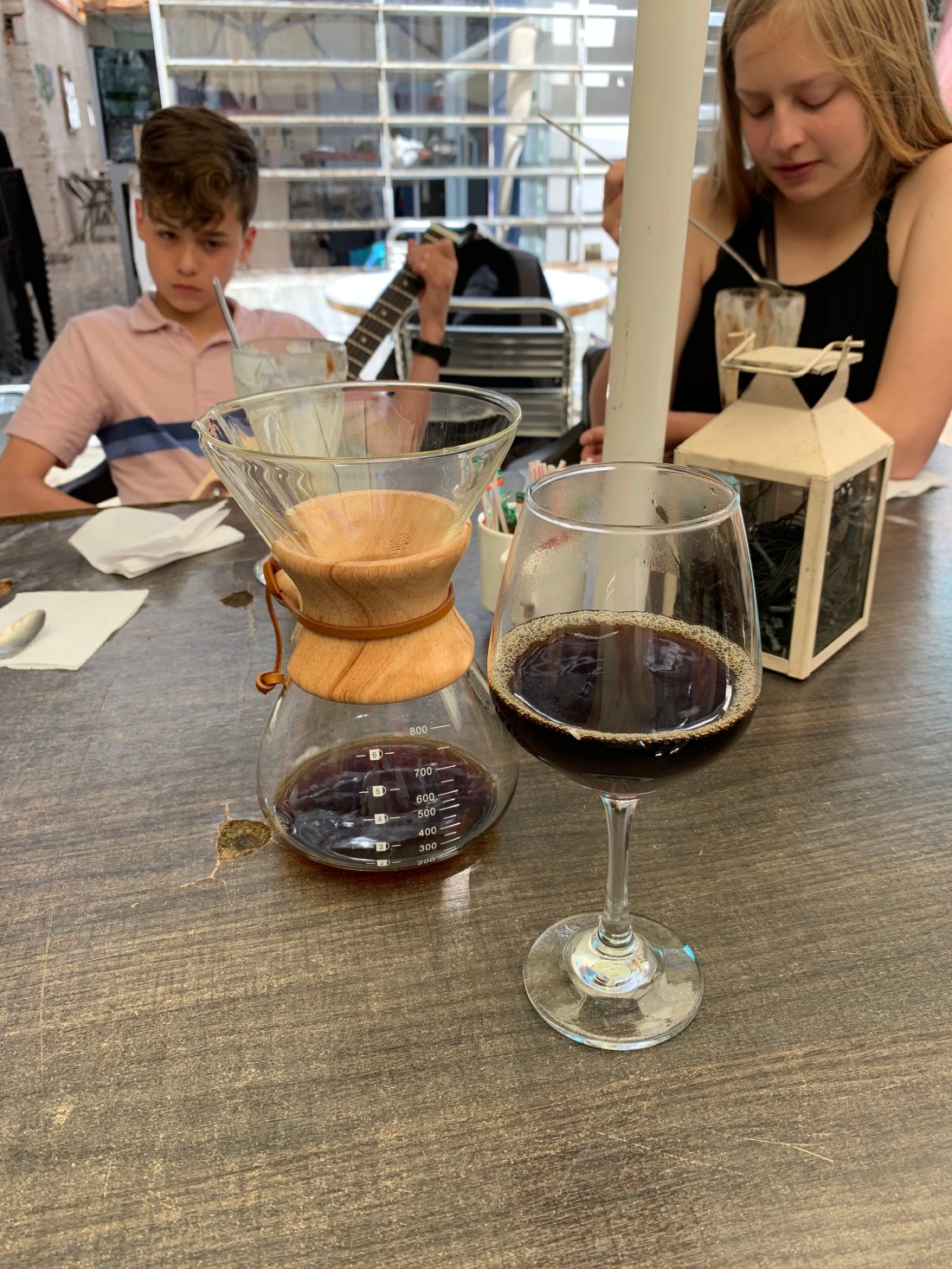
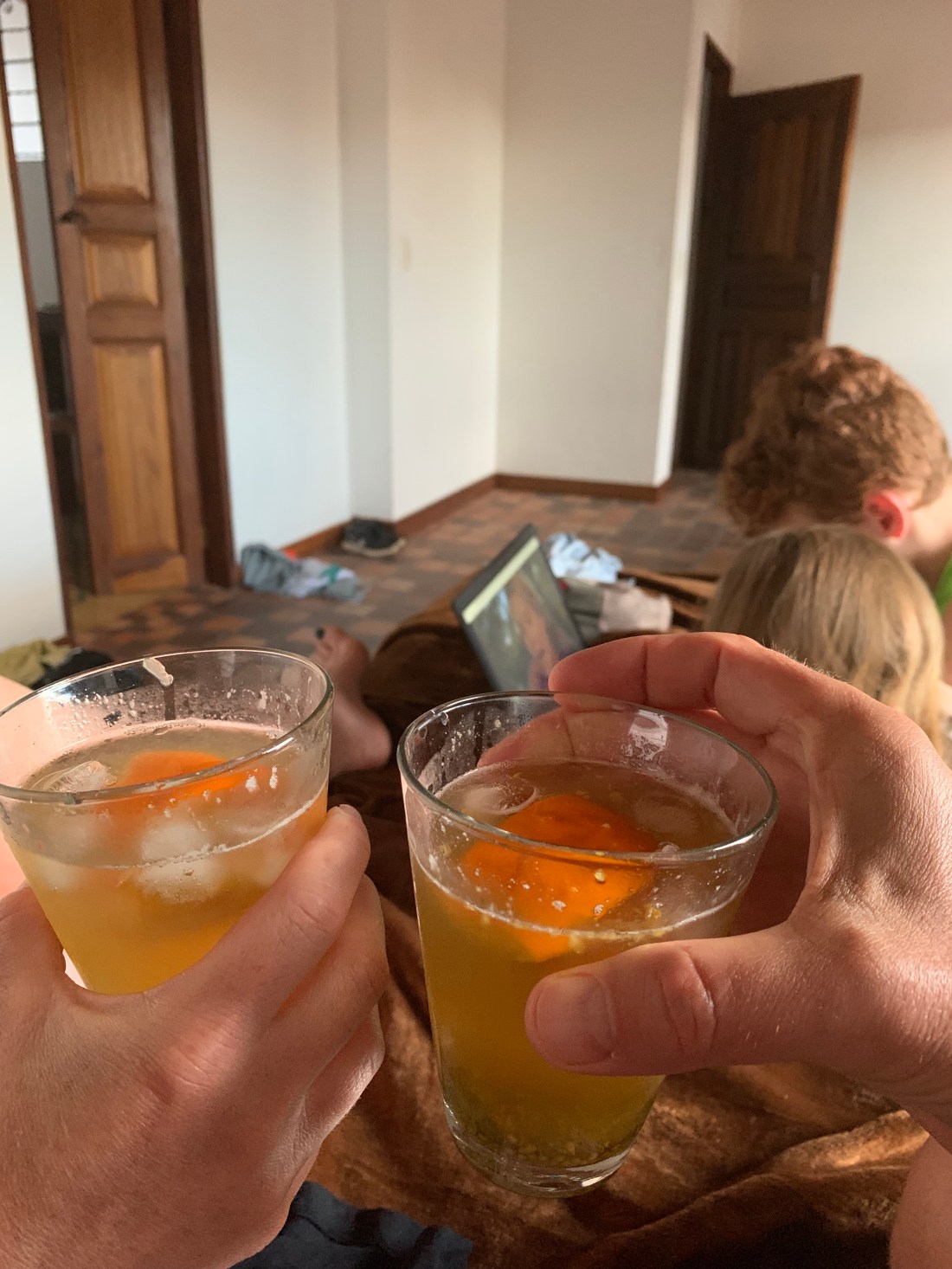 and coffee granitas that made me swoon.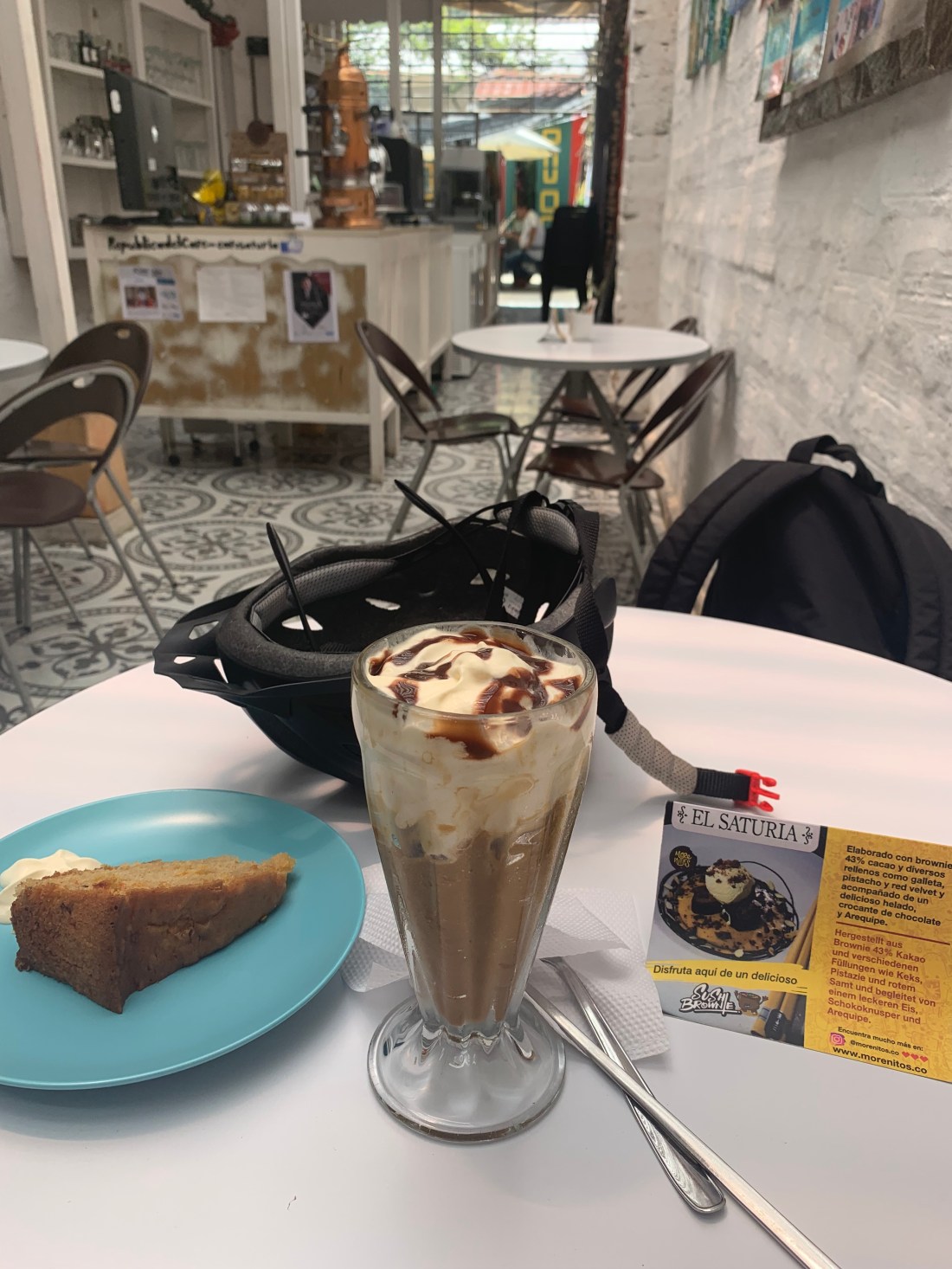
 Cardamom is prolific here and this dear lady makes and sells little chocolate bars with cardamom. (She is single and looking for a “special, judicious and entrepreneurial friend” if anyone out there has matchmaking skills)
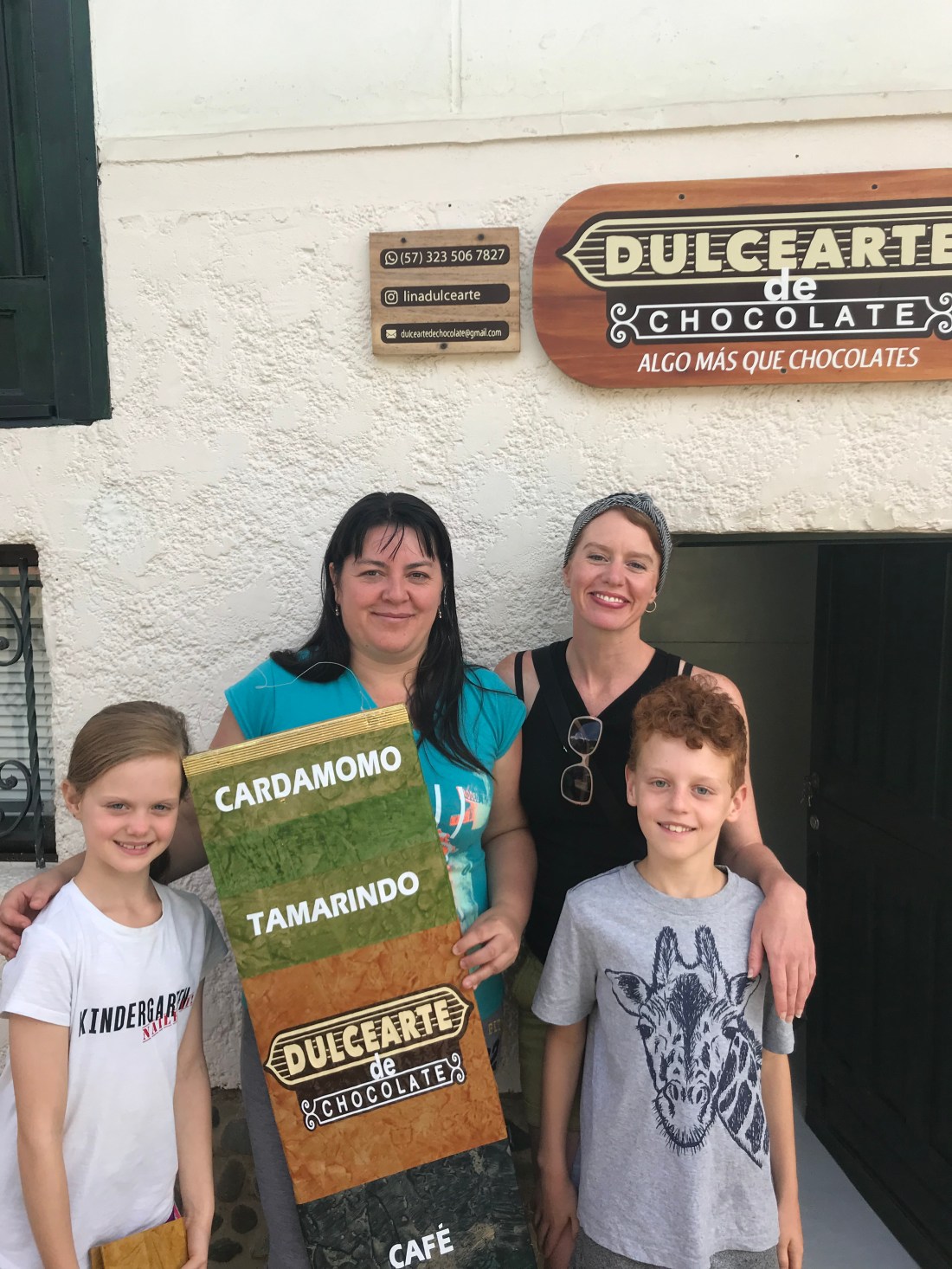 Before we indulged in cardamomo chocolate or granitas, we tried to do a look-out hike to earn the calories and the Cerró des Nubes was our favorite.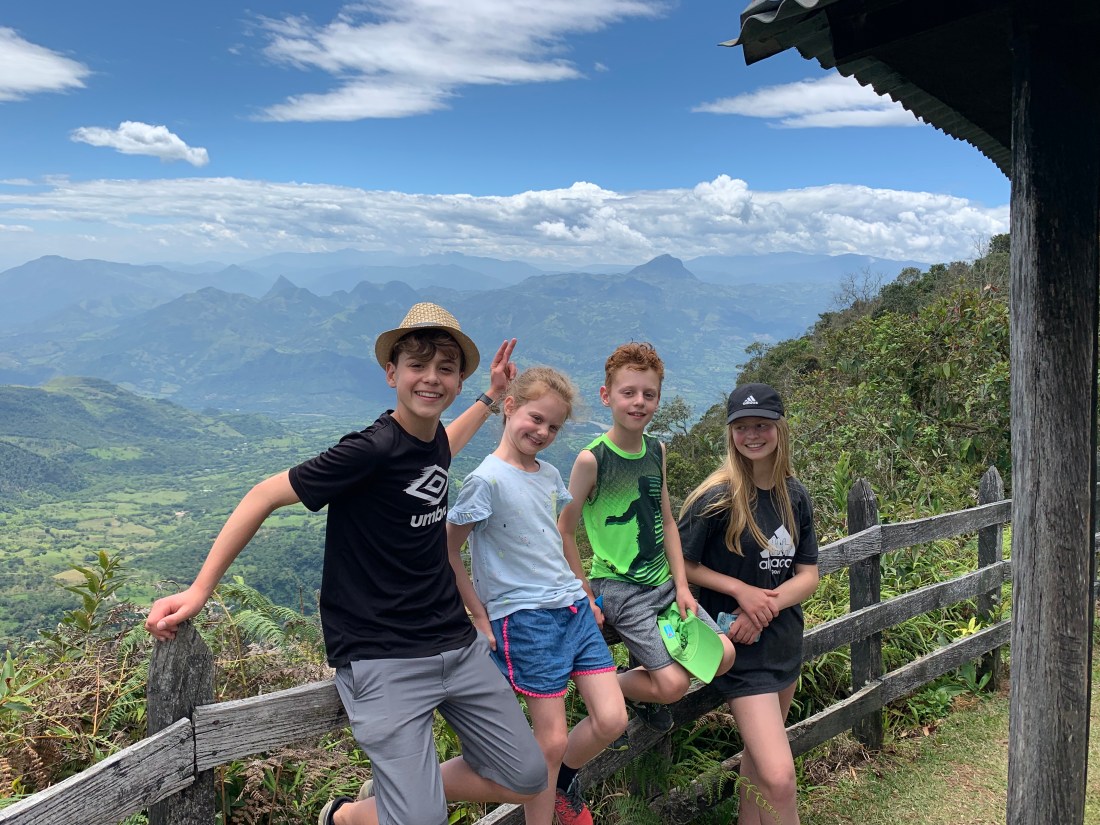
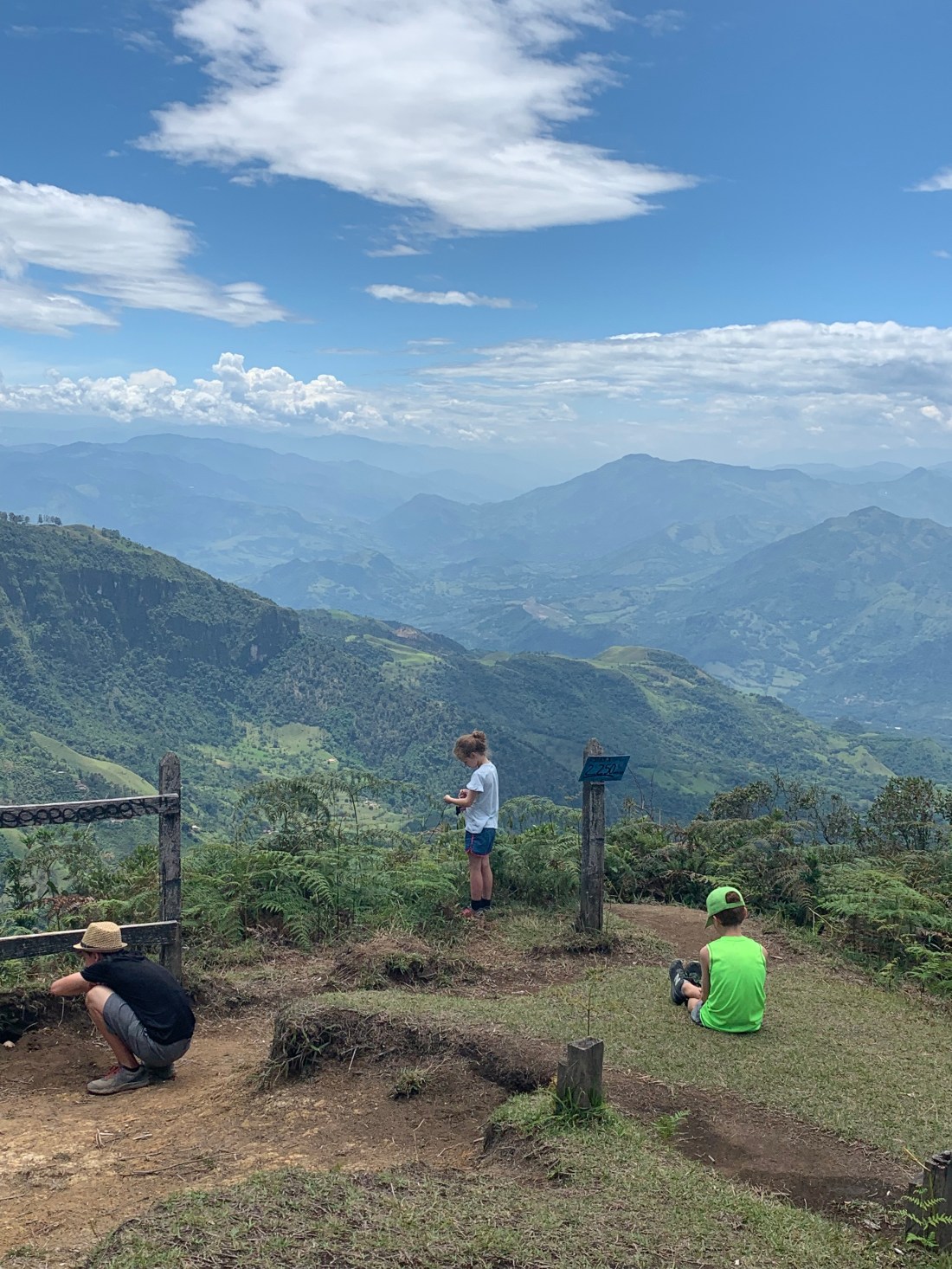
 Thanks for the hospitality, Jericó. Next time, Aaron will bring his own mountain bike and I’ll find my way to the coffee place every day!!!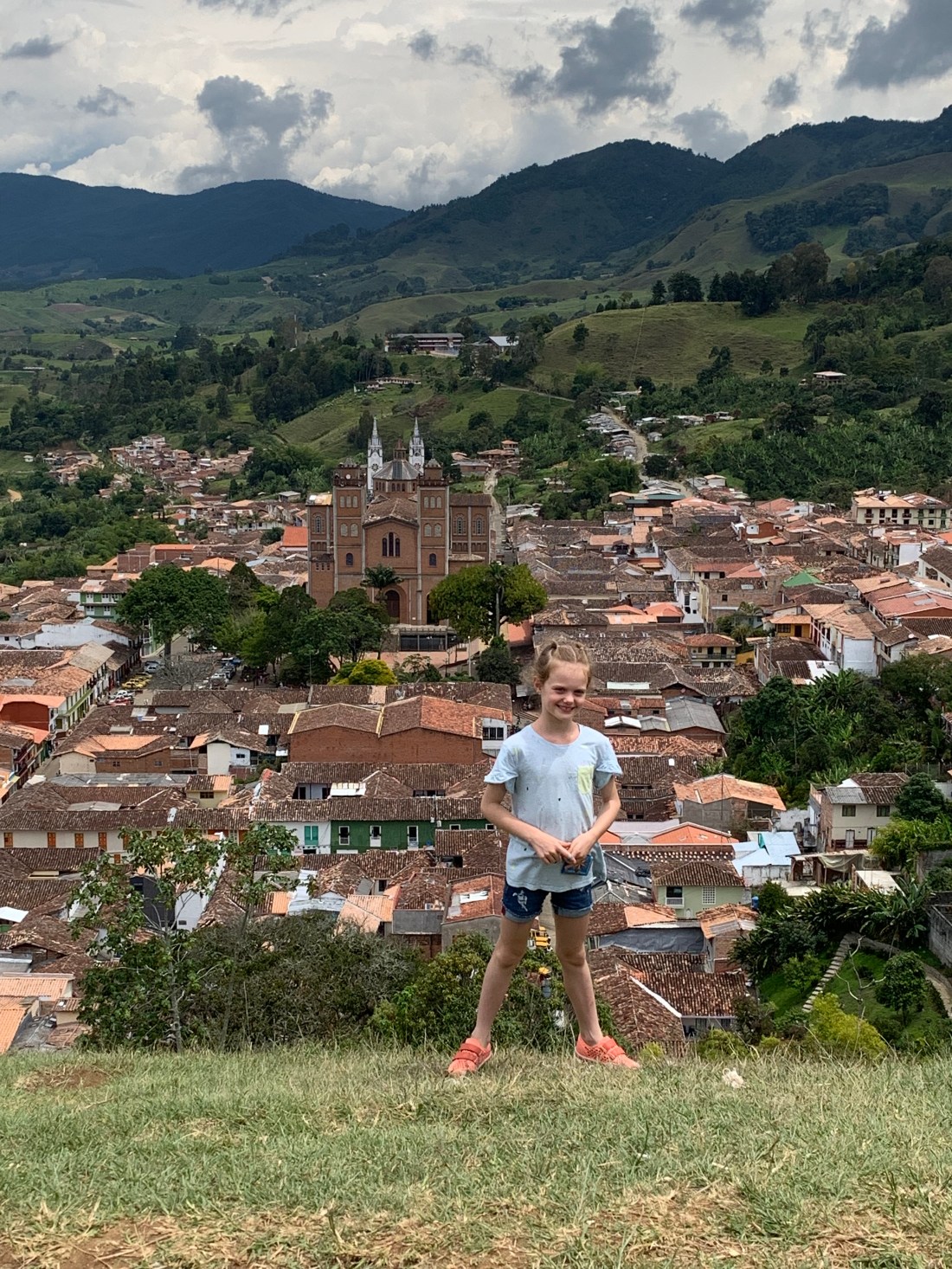
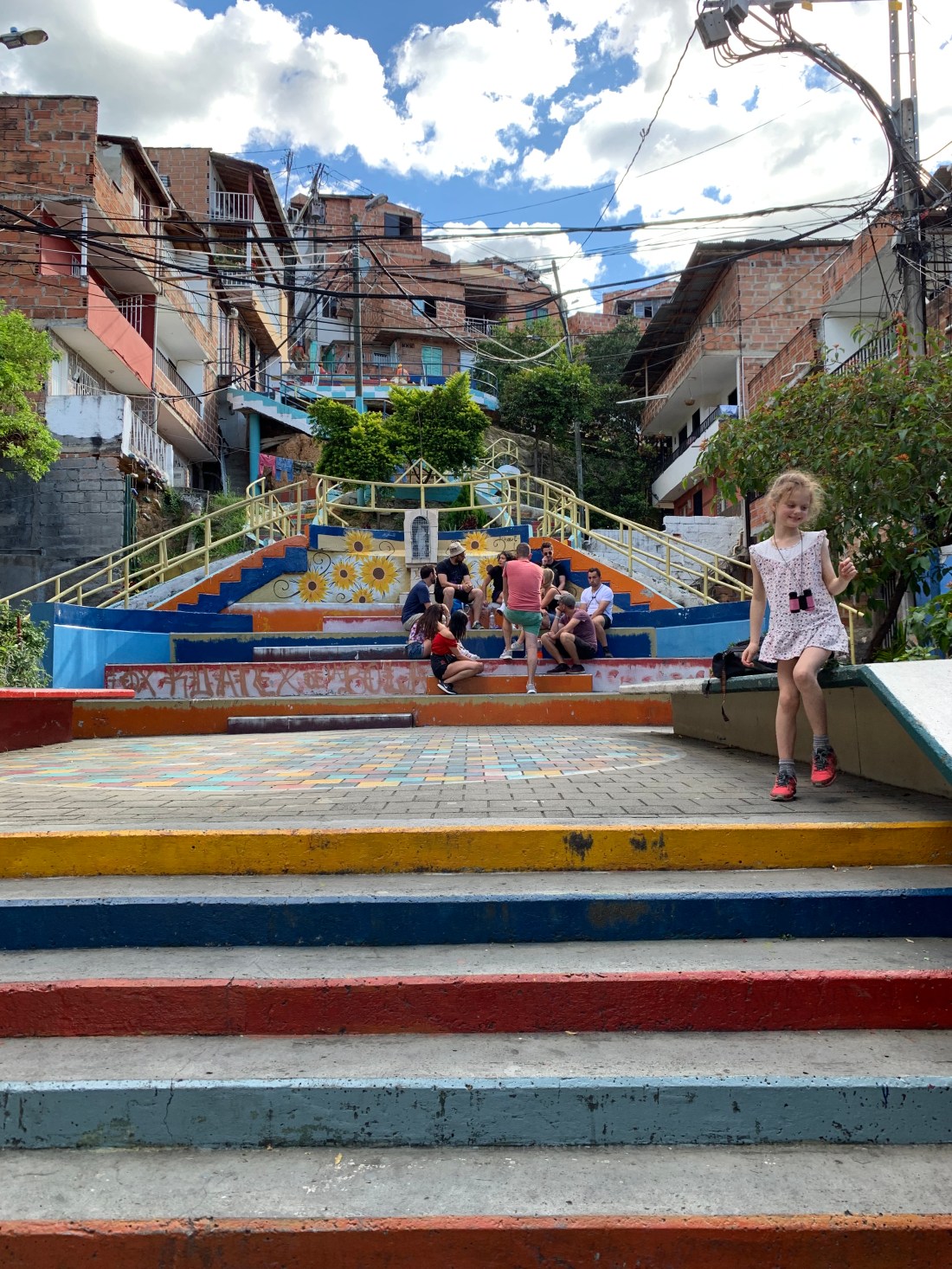
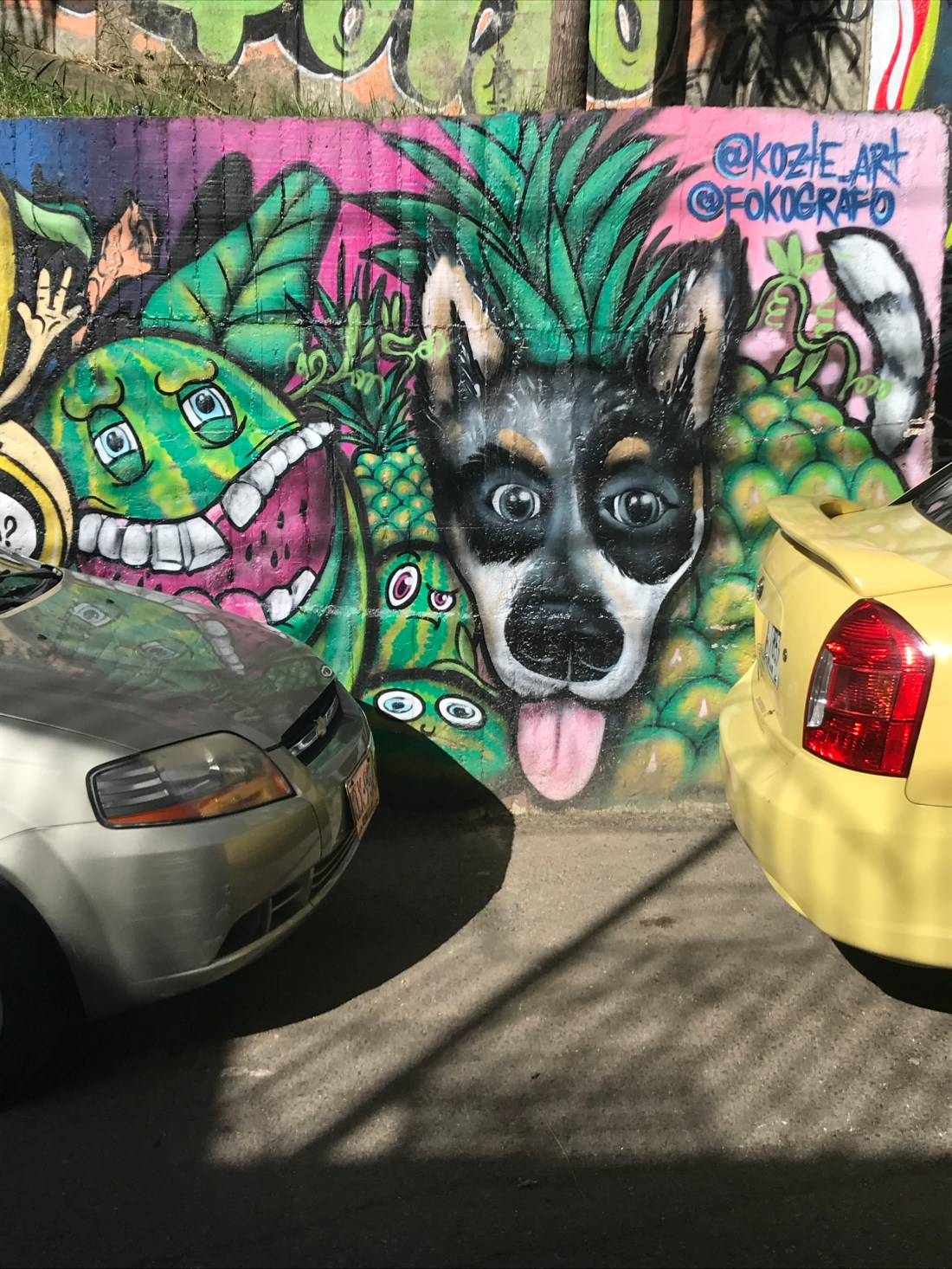
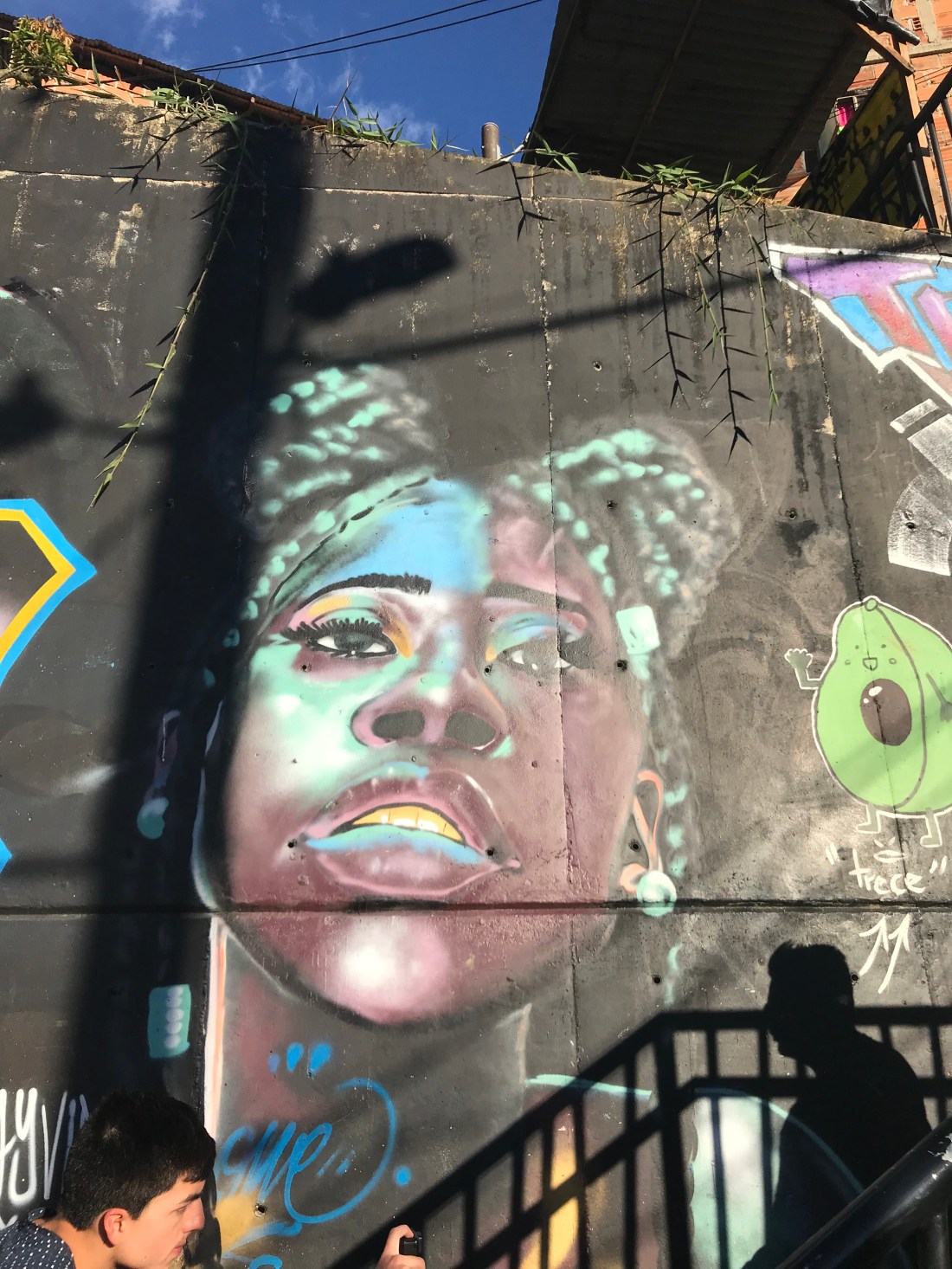
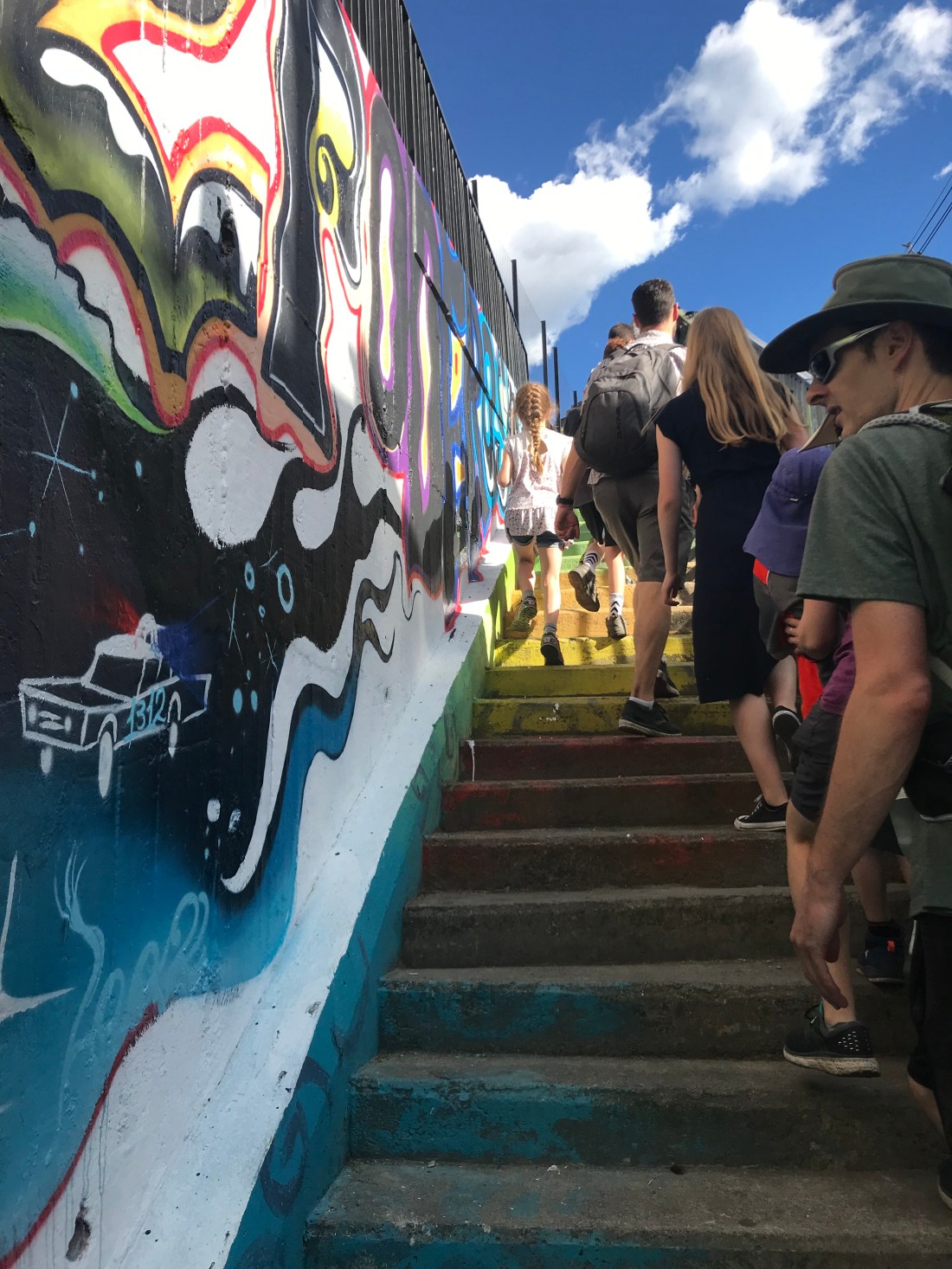
 I stepped in as a substitute with a goal of “finding the river.” The kids put their absolute faith in me and armed with a wikiloc map
 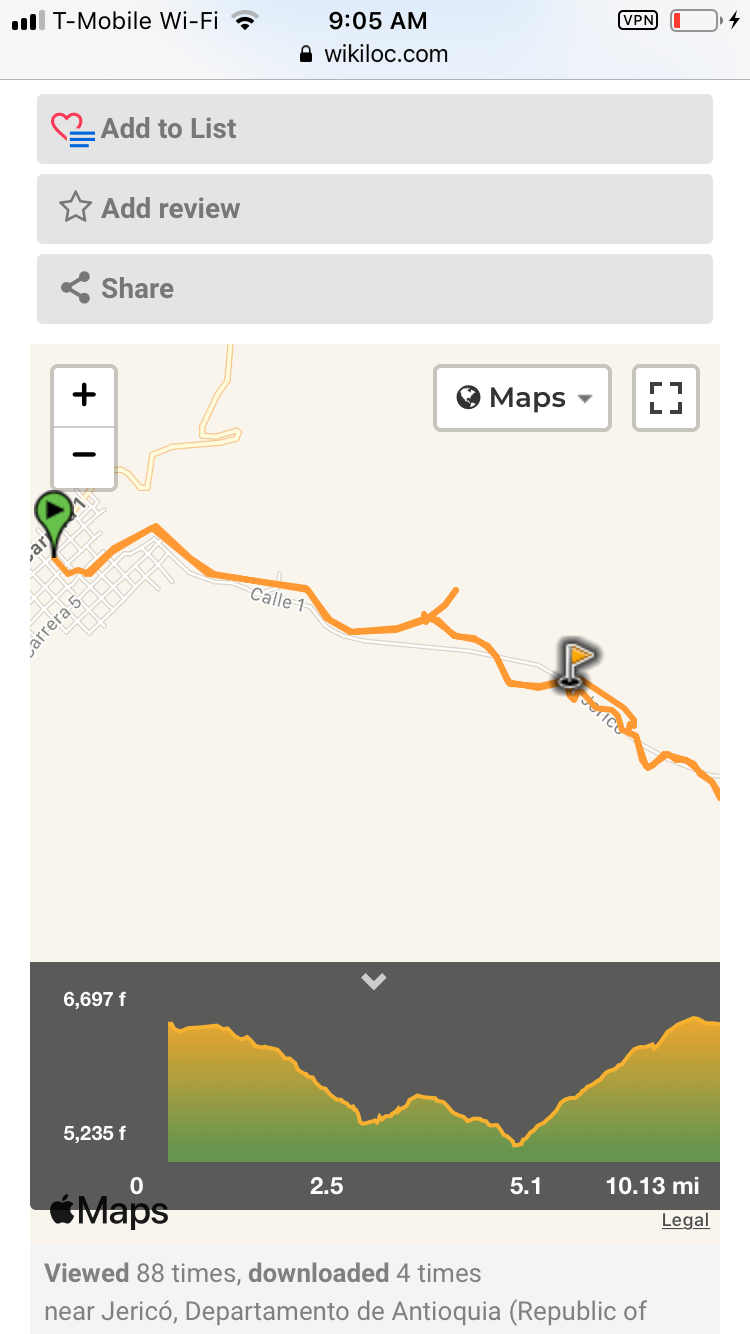 and sunscreen we ventured out. A band of pueblo dogs soon followed us (guardian angels?) and picked snarly fights with dogs along the way.
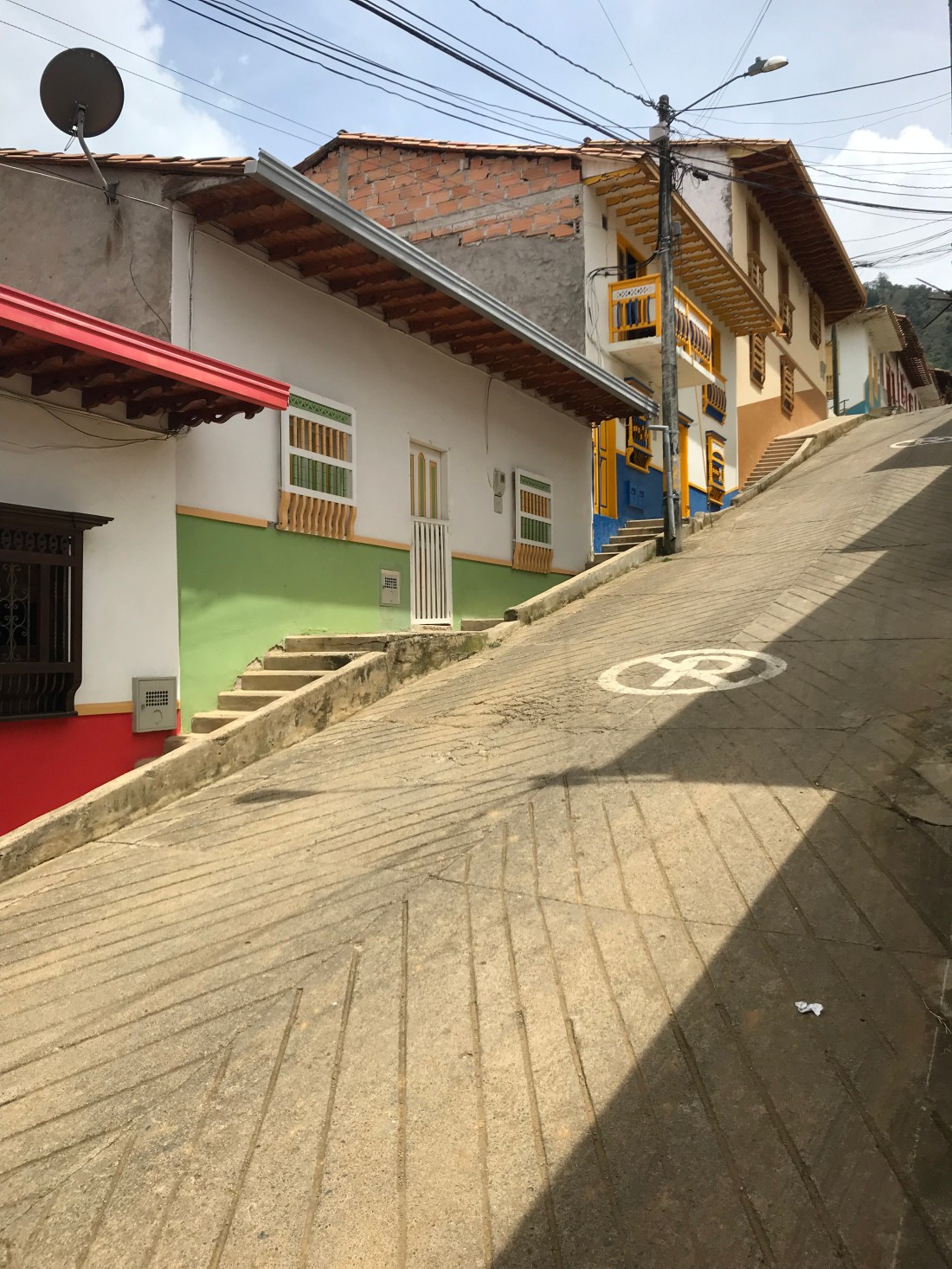
 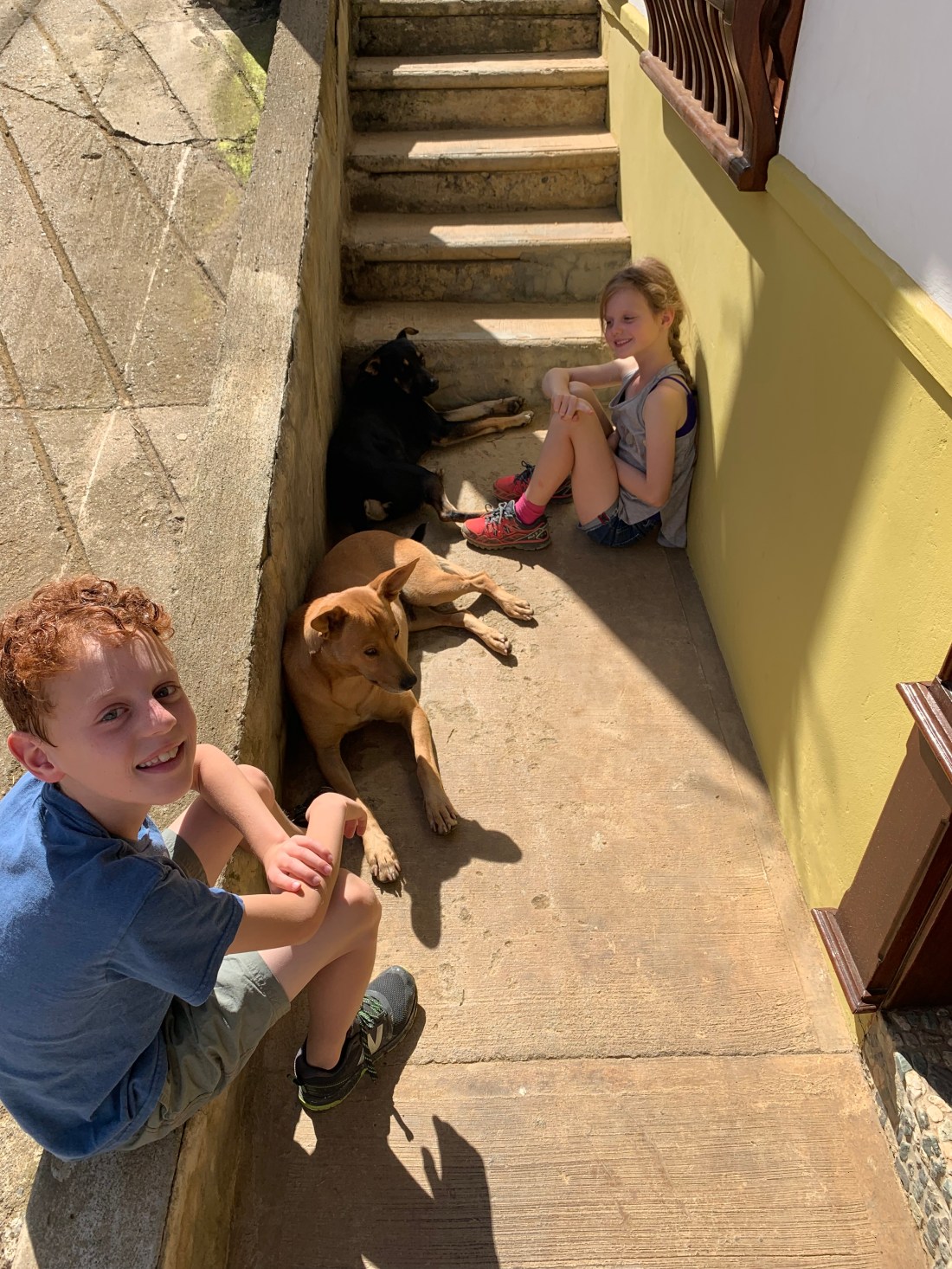 Jericó is perched on a mountain side, so the path to the river was down a steep path (and the town was back up up up). Wrong turns down the hill are discouraged.
 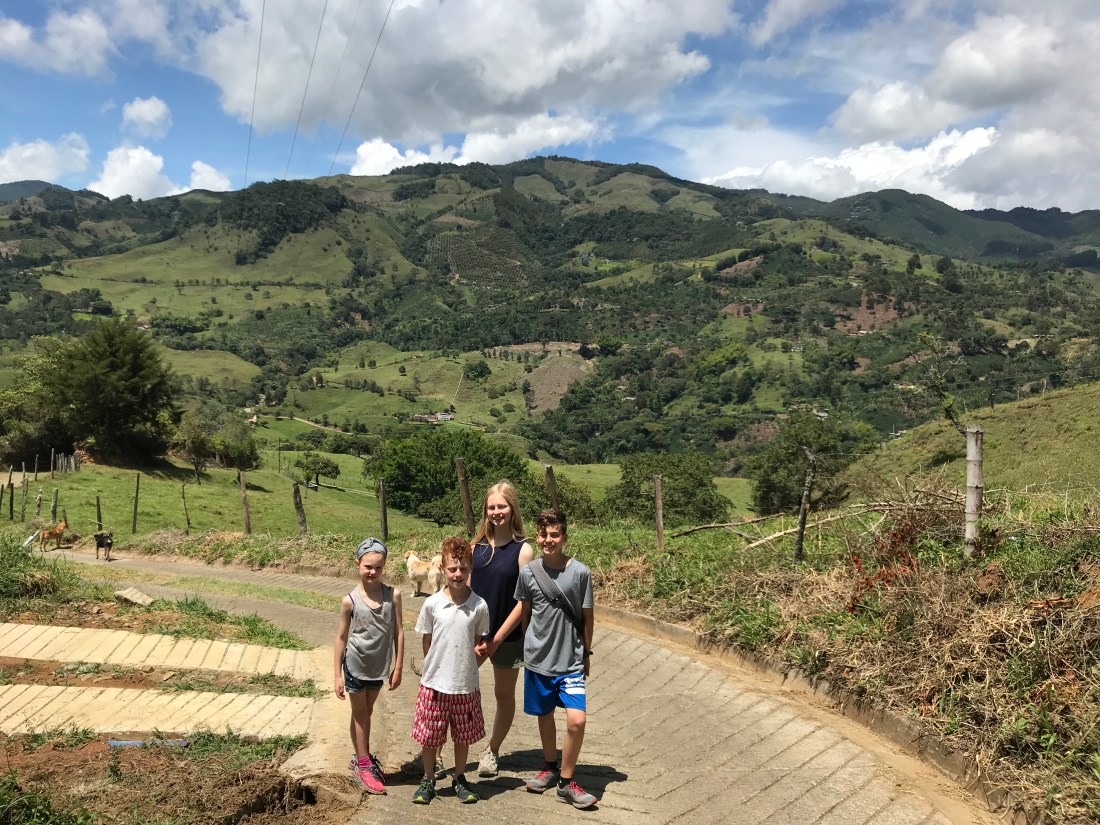 We met a loquacious man named Carlos who miraculously understood my request for directions in Spanish and gave us a long winded story about how to get there – “something something ‘down, down, down’ something something ‘swimming’ something something ‘rocks big as cars’ something something ‘?dangerous?’ or ‘sunscreen?’ ” Not sure.
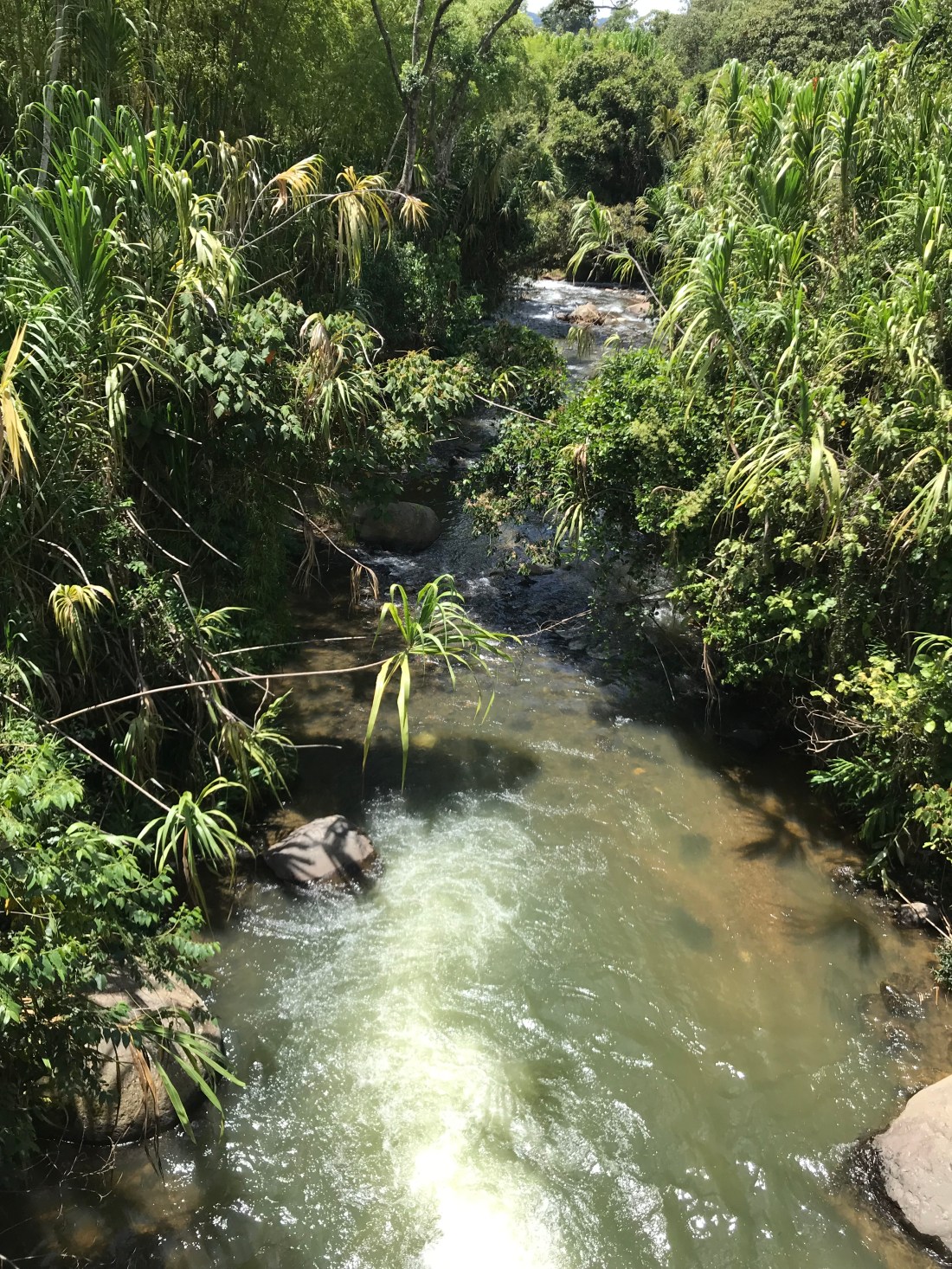
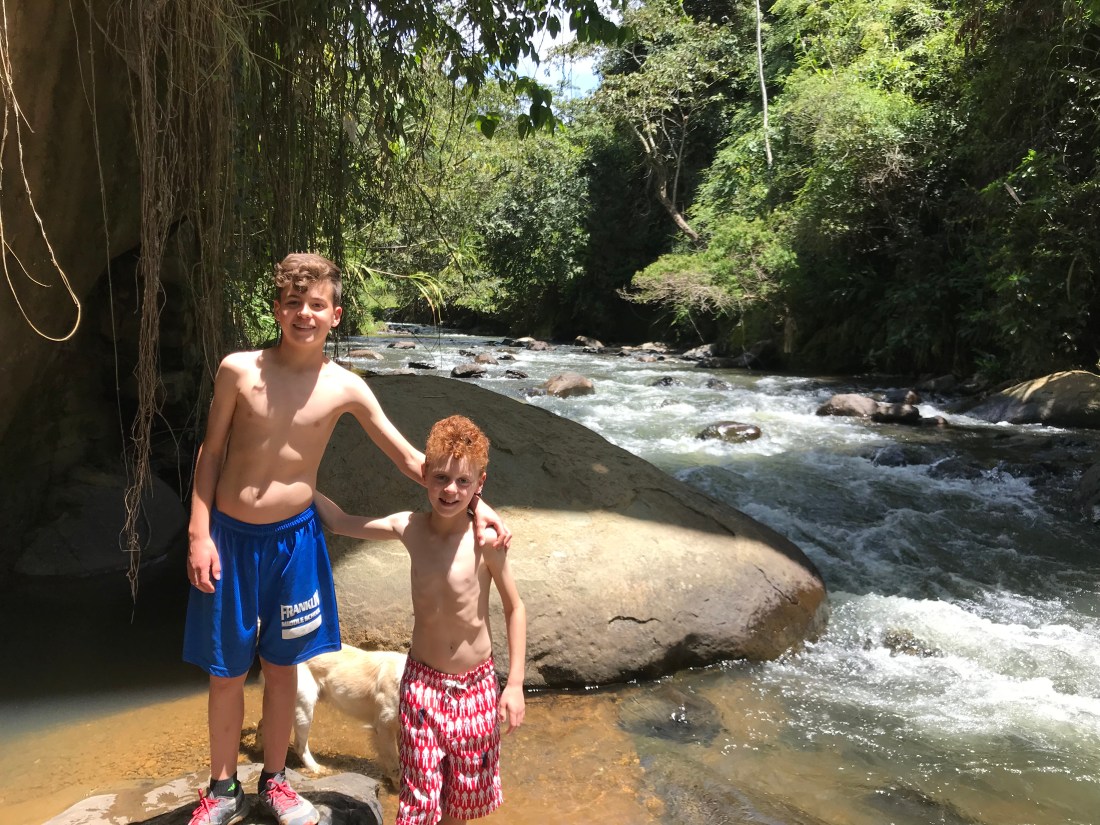
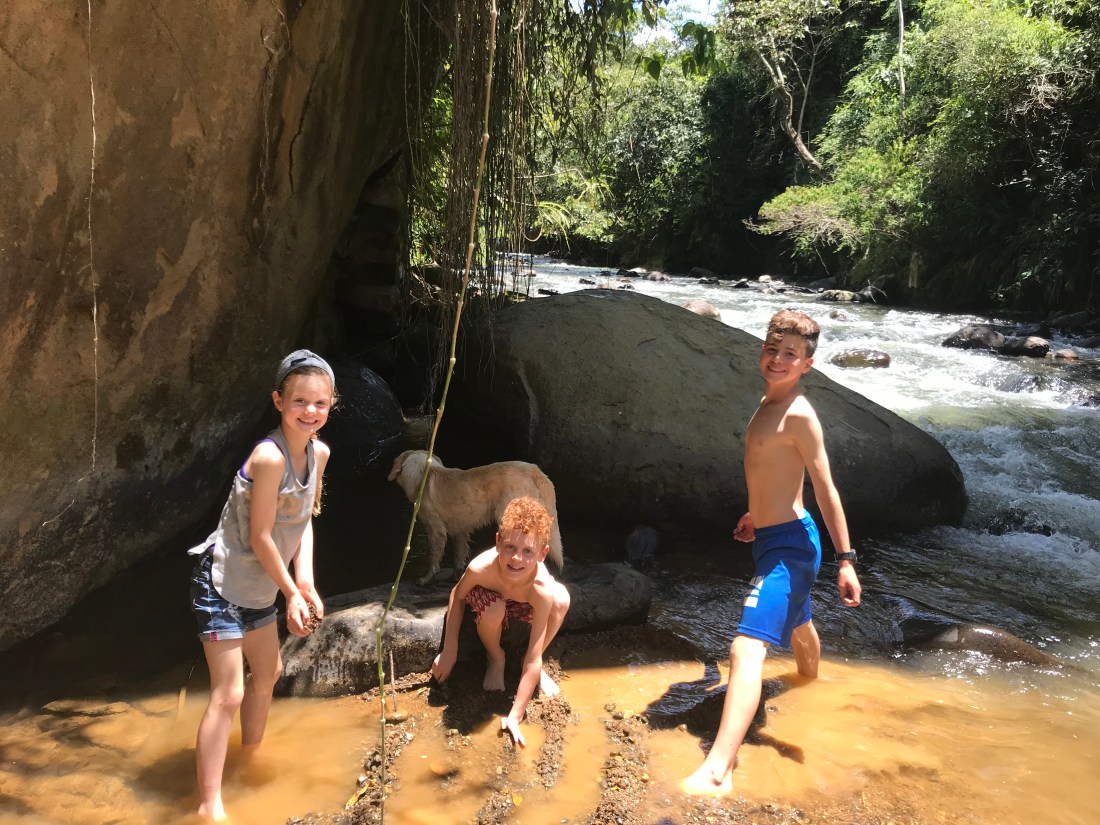
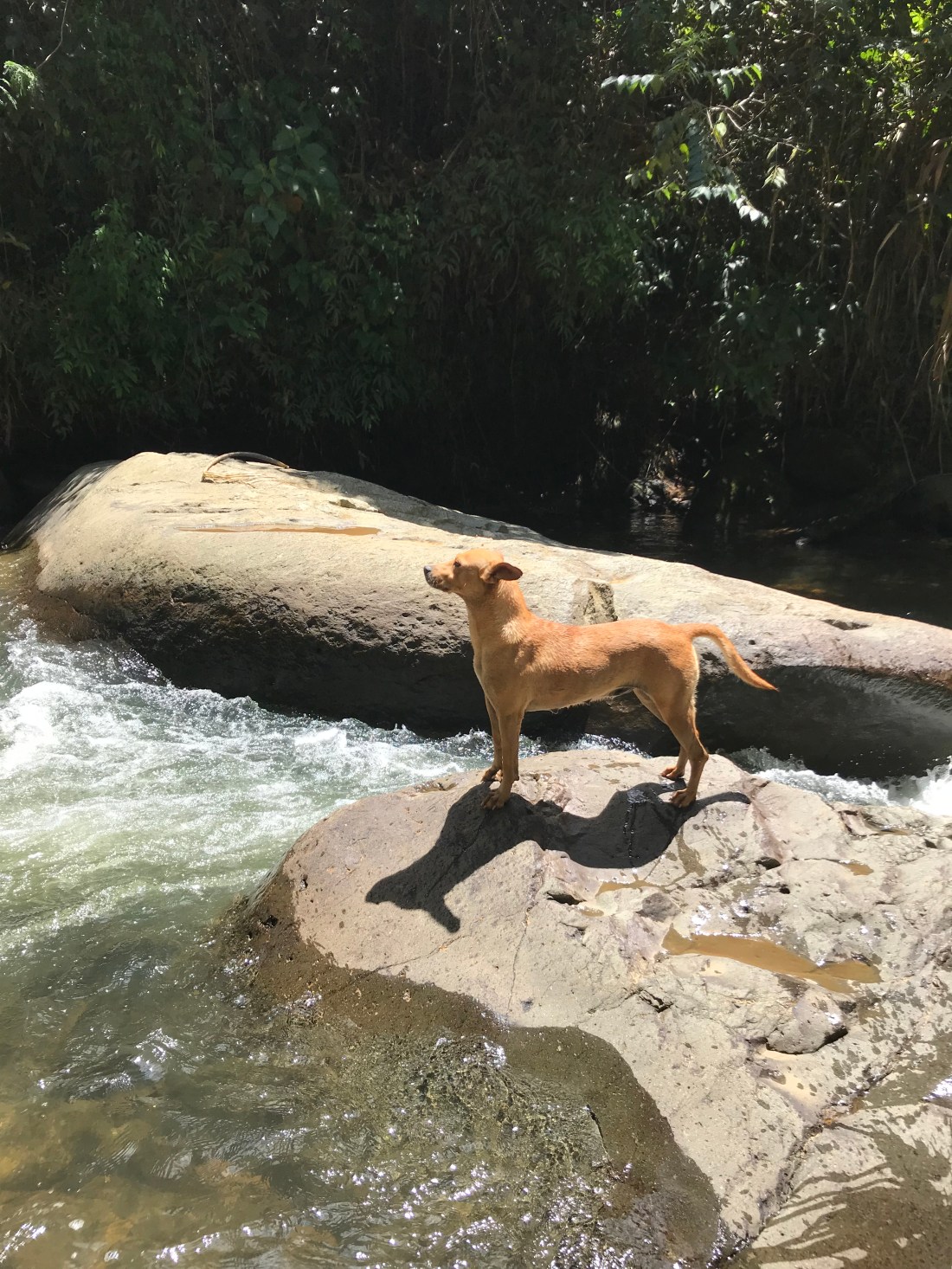
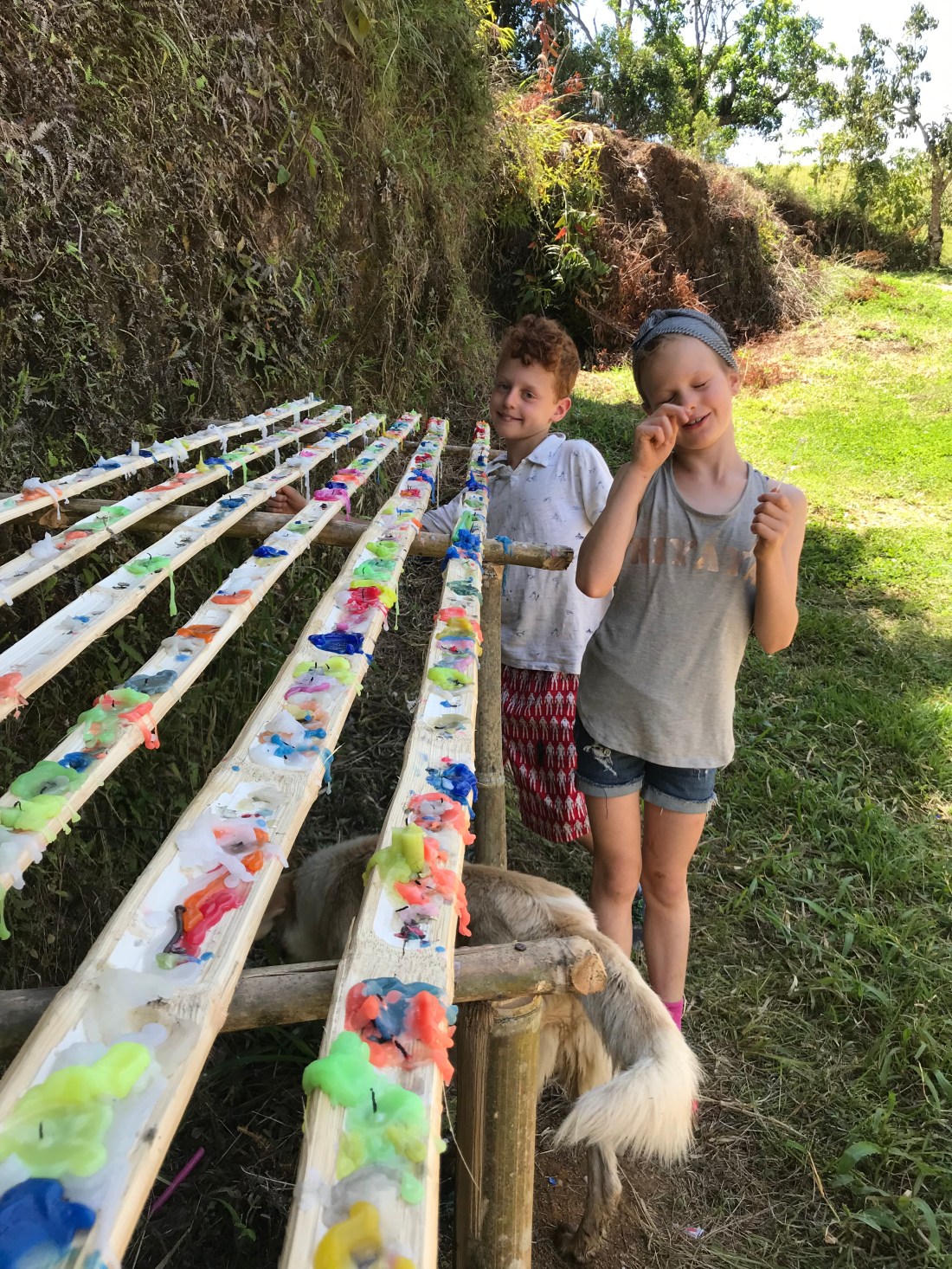 Just a quick scramble down the bank, and… we found it!!! Rio Pierdras!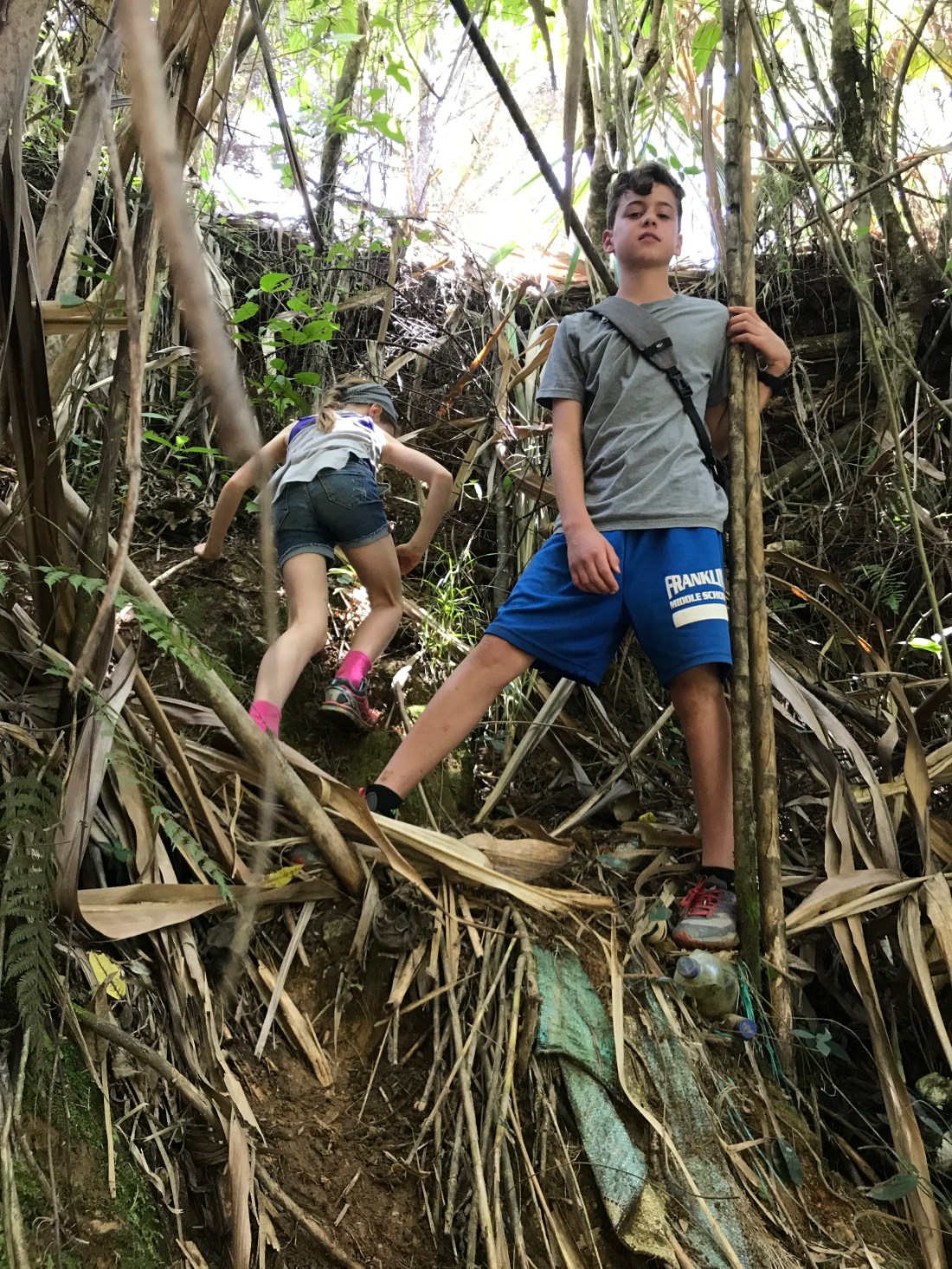
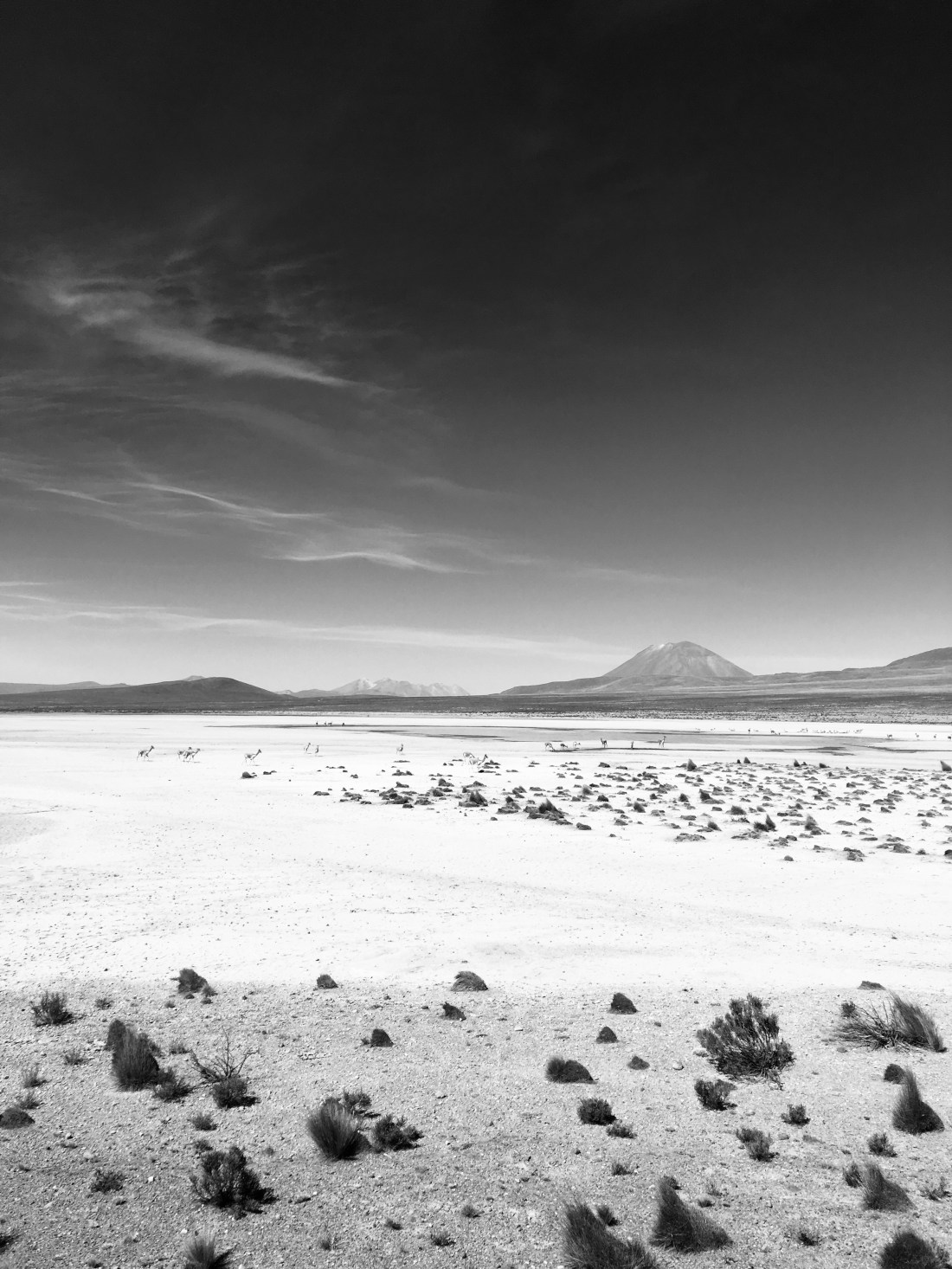
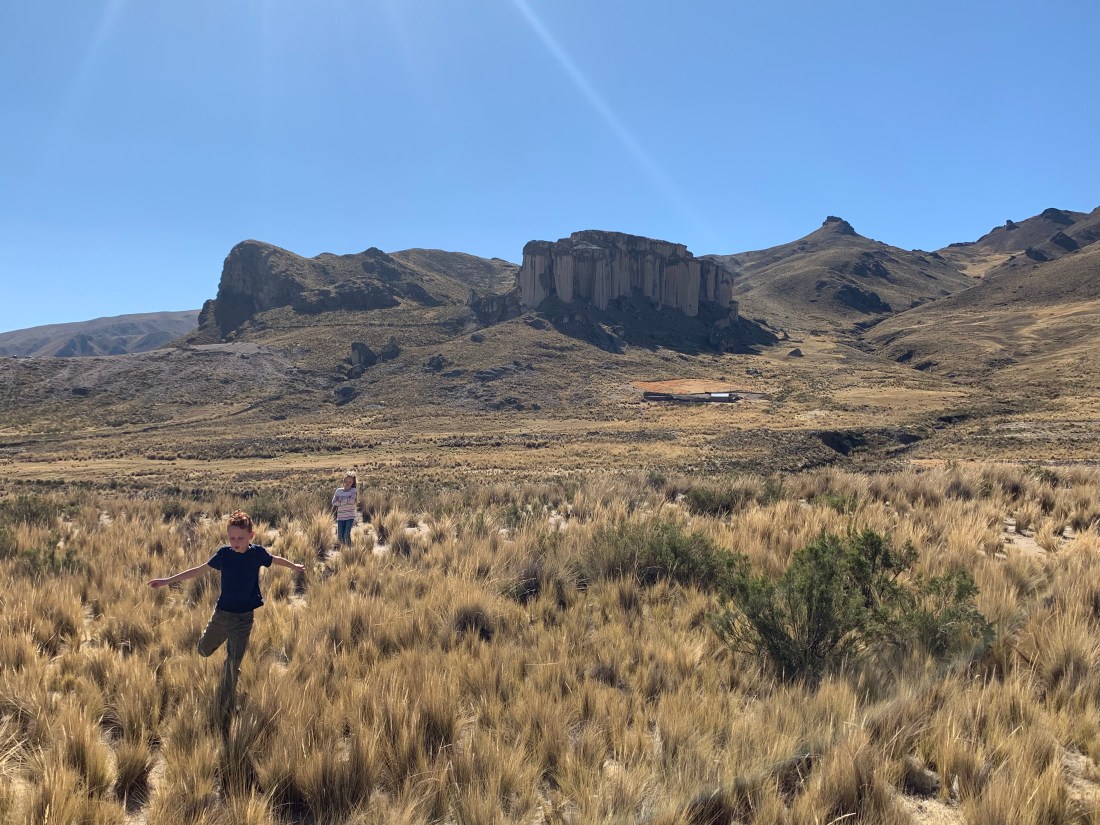
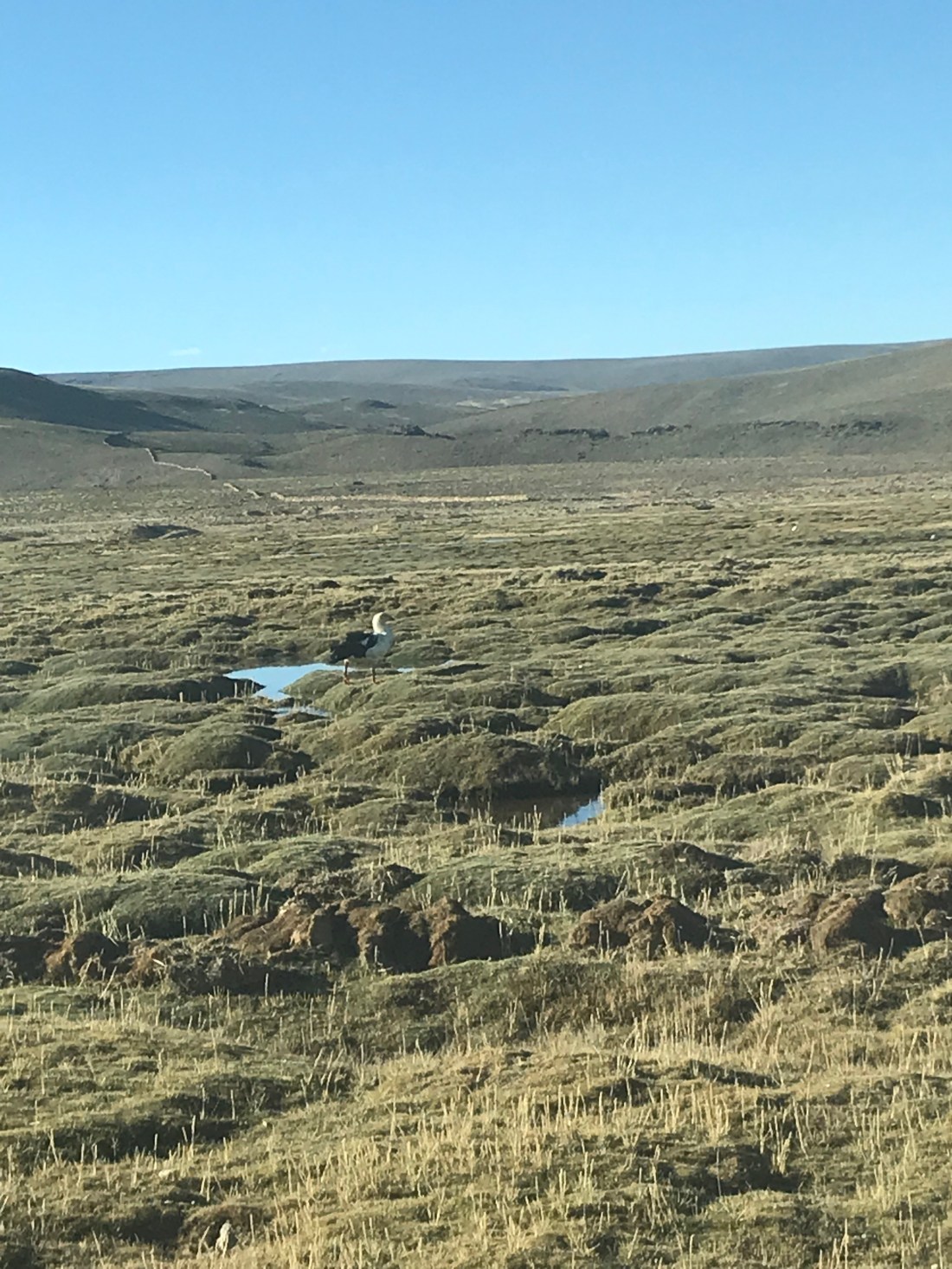 The altiplano is framed by (active) giant volcanos with Quechuan names like Waulka Waulka and Picchu Picchu (if it sounds great once, why not repeat it?).
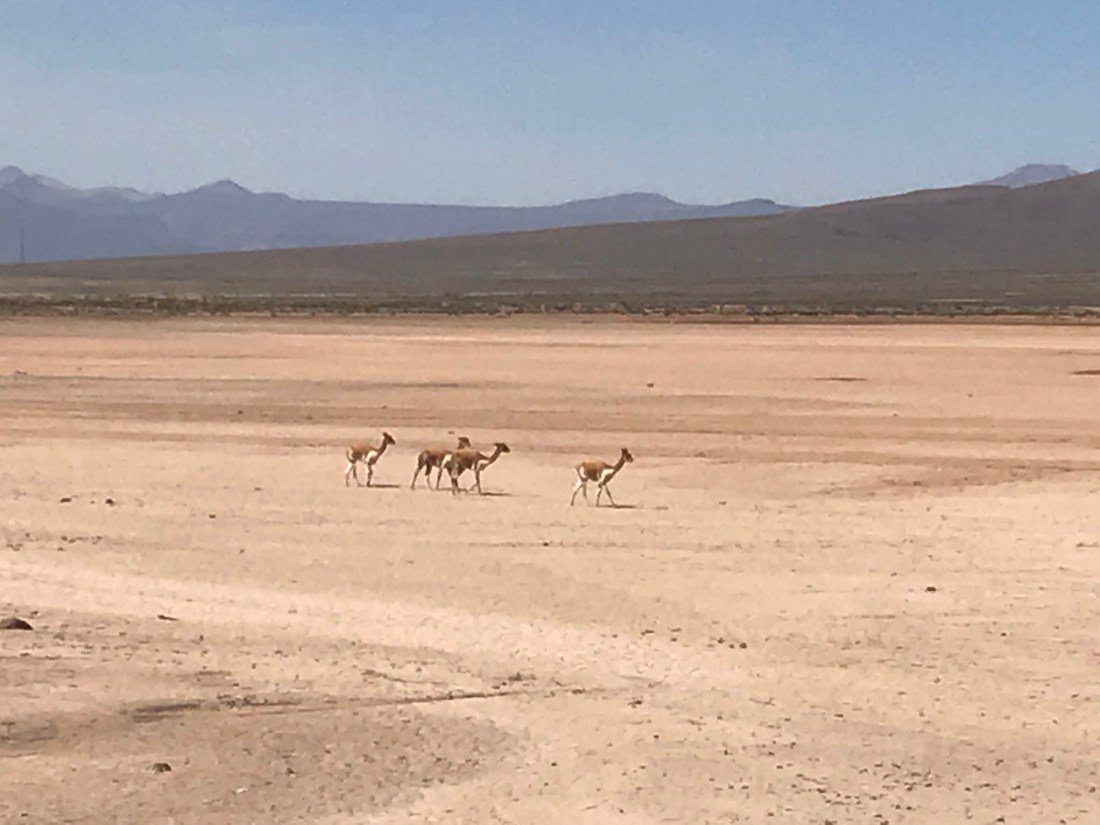
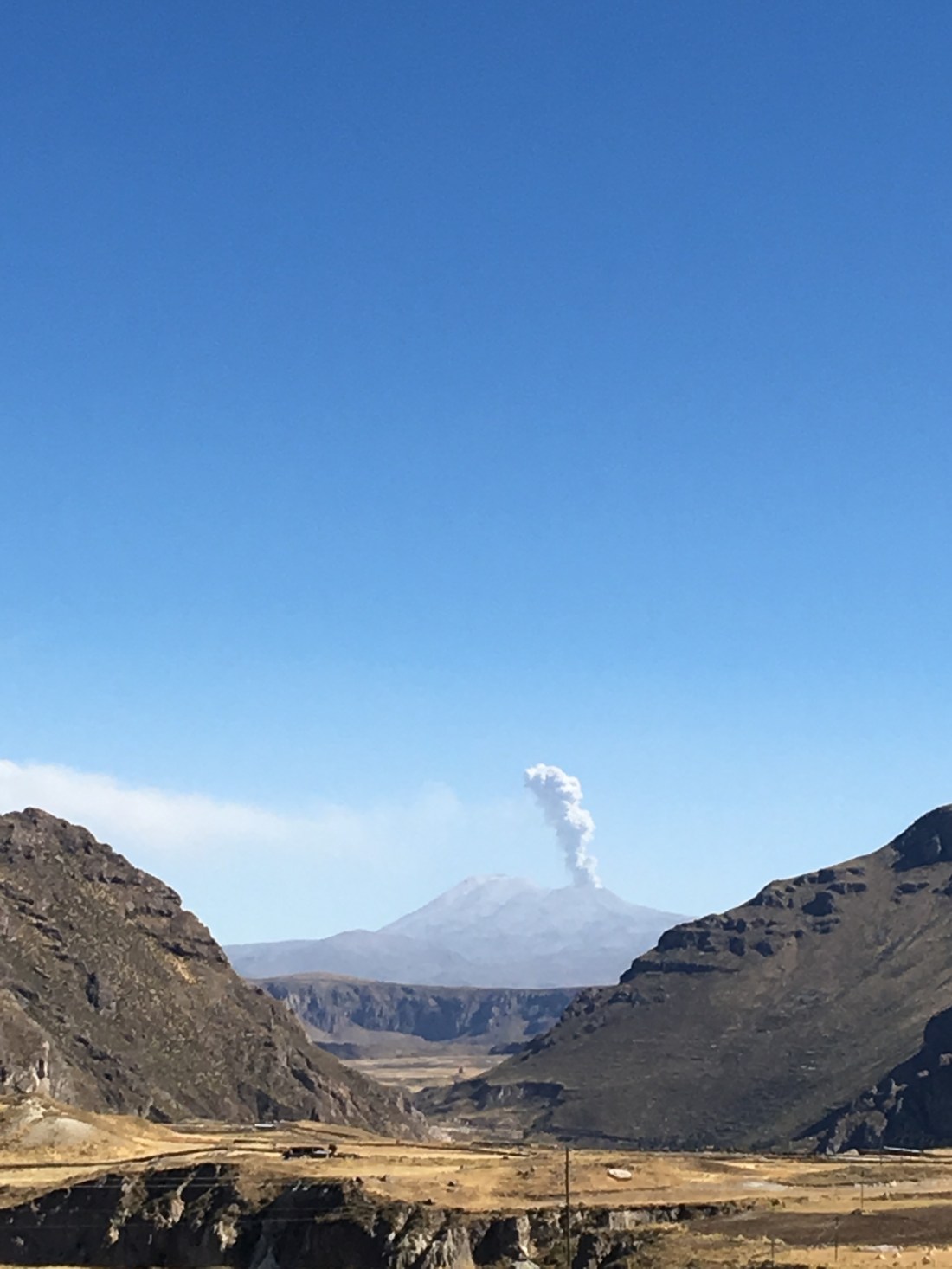 We were on the lookout for the timid vincuña. Vicuñas are the wild cousins of the alpaca, rare and prized for their luxurious wool, soft as butter and prohibitively expensive. (To shear the vicuñas, herdsmen have to catch them, hold them down, and shear within 3 minutes as they are so emotionally frail that they will die of a heart attack if stressed for too long *awaiting fact check*)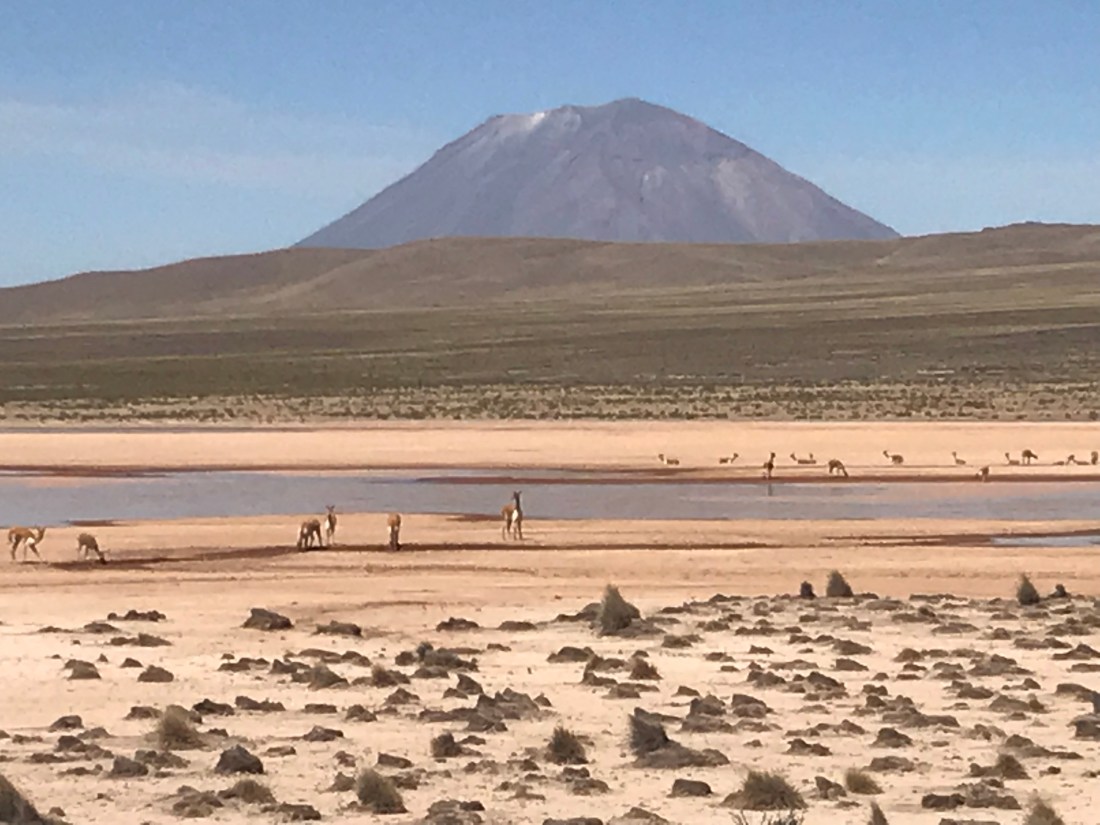
 On our way to the Colca, we couldn’t pass up a roadside alpaca party. These friendly camels of the Andes were surprisingly tolerant of all the attention from passing tourists.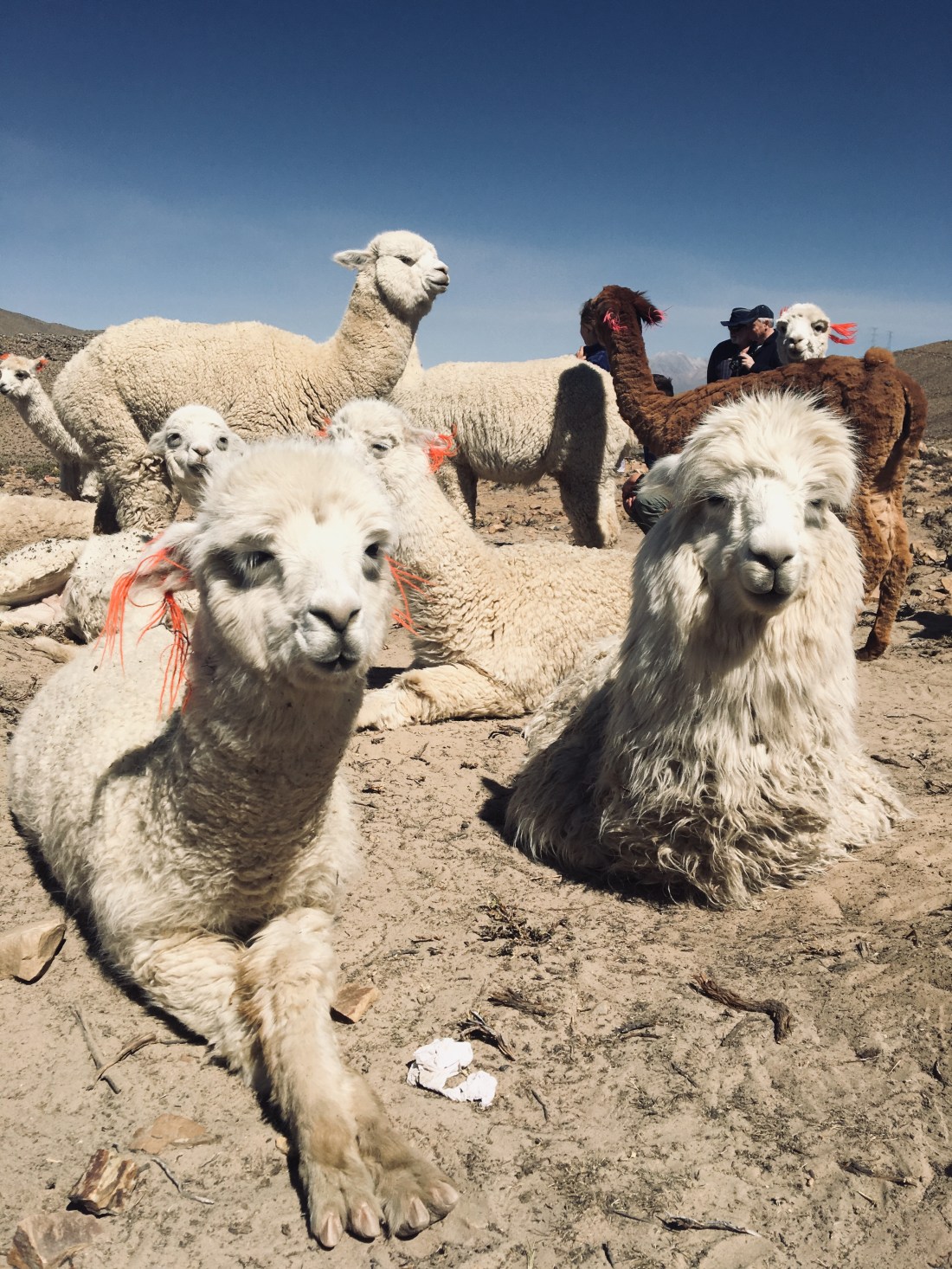
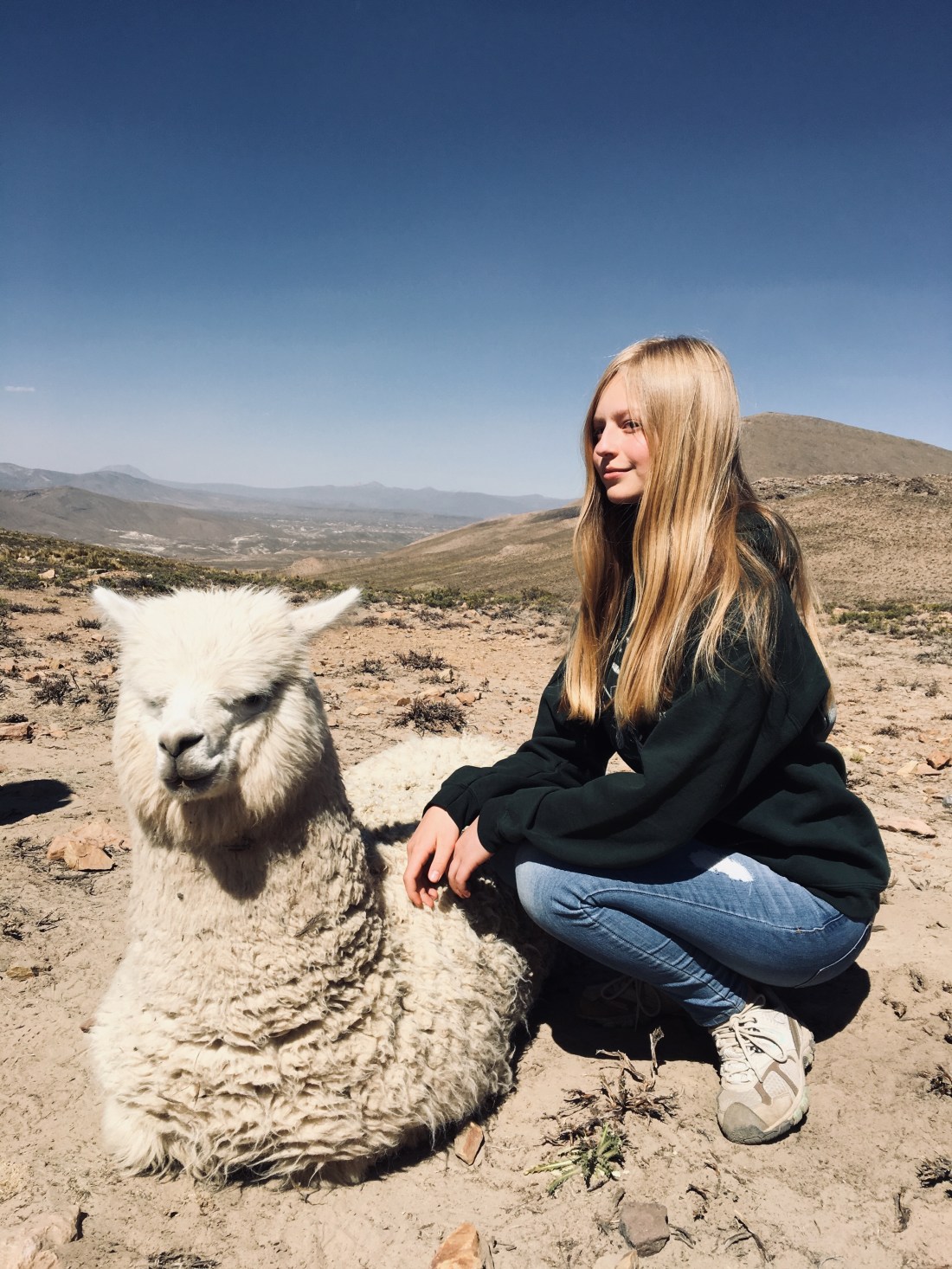
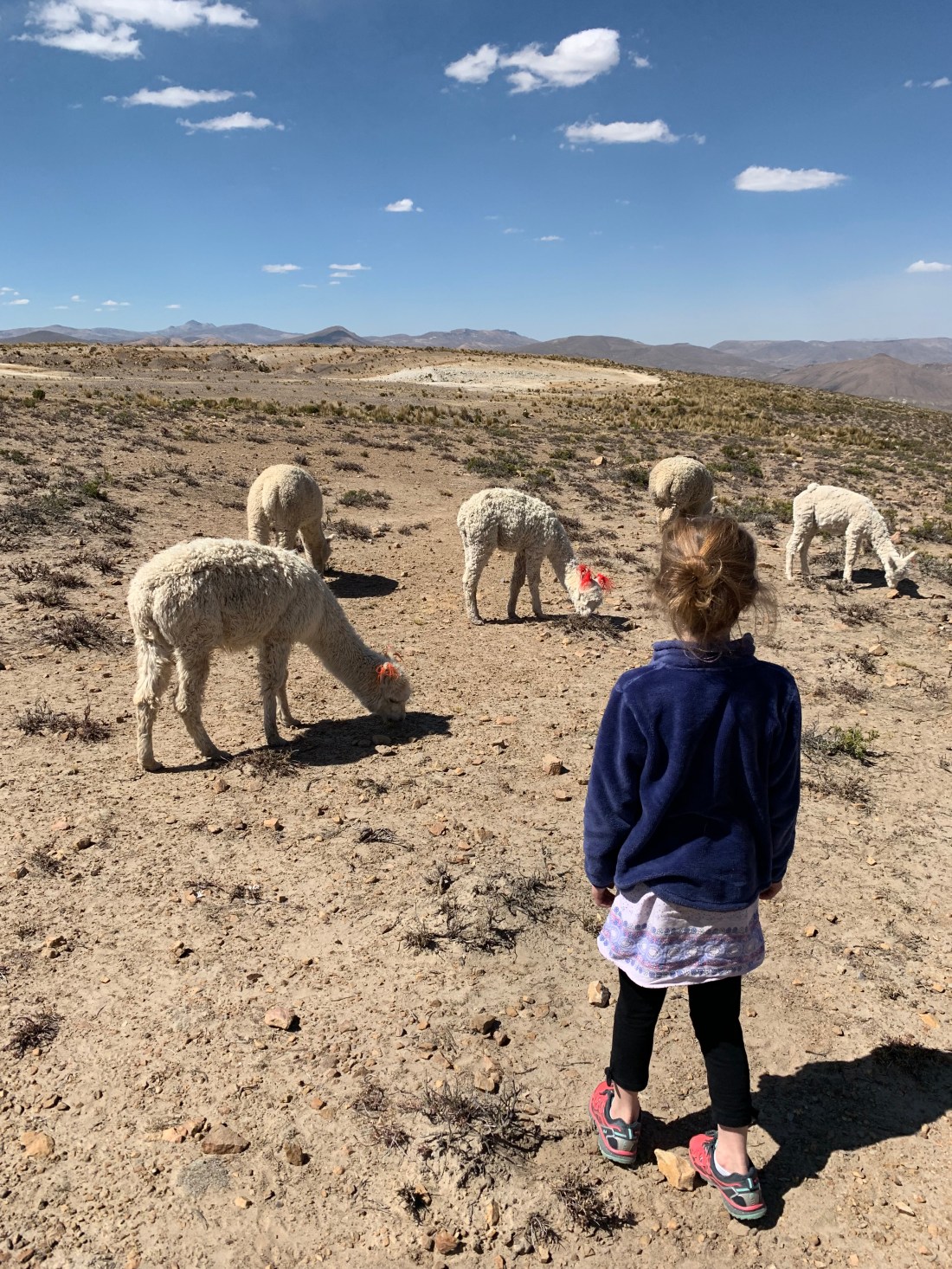
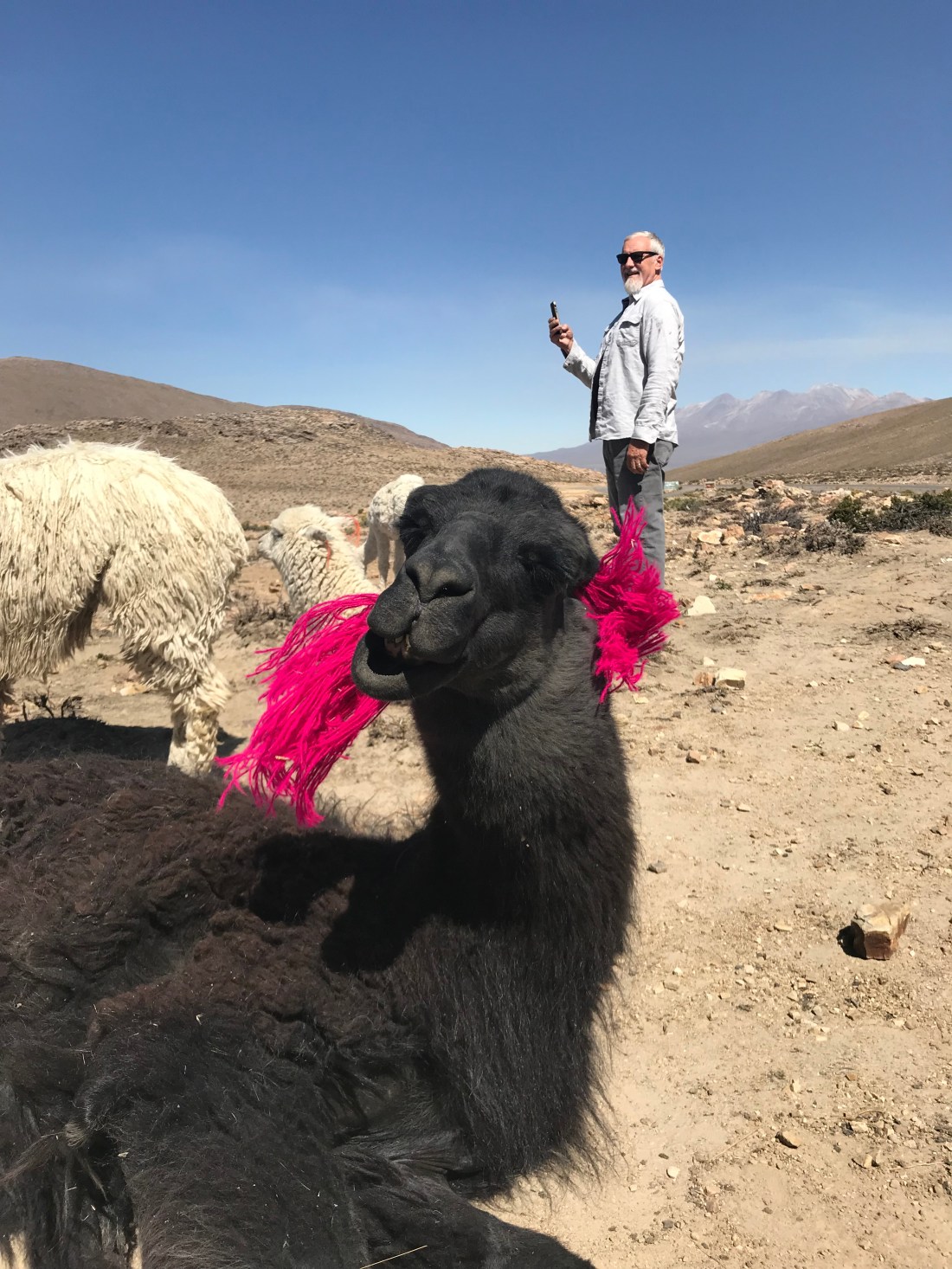
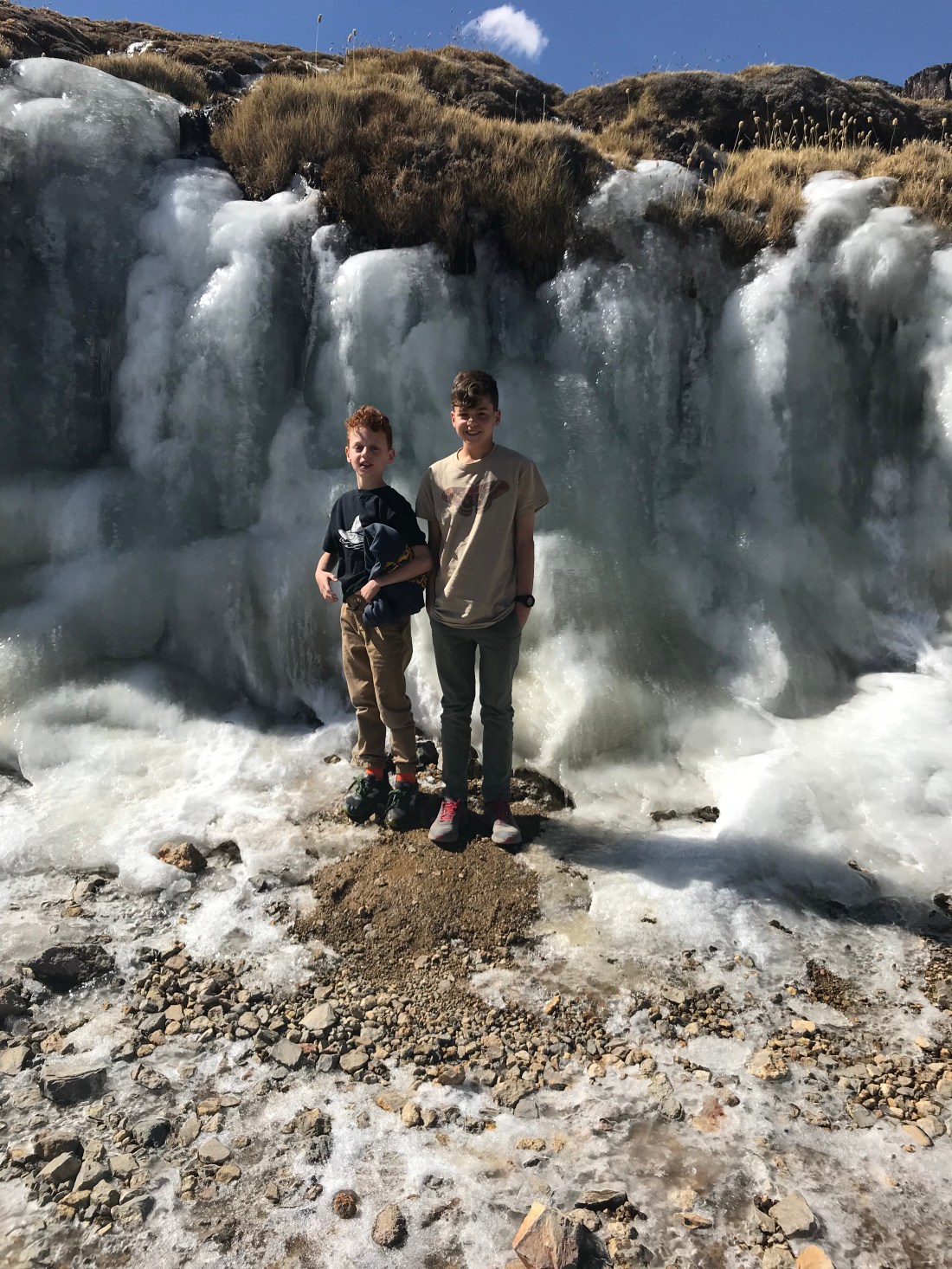
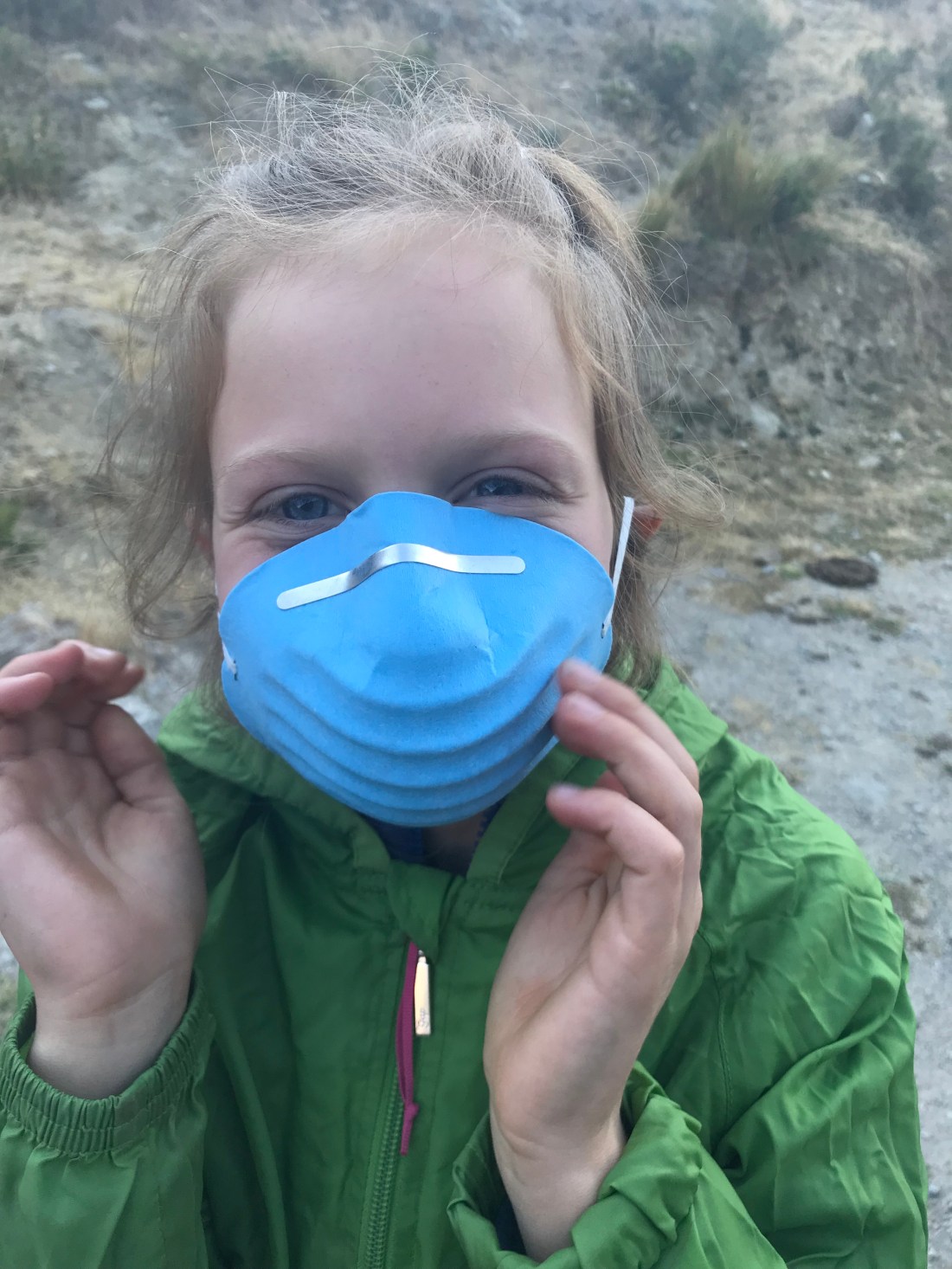
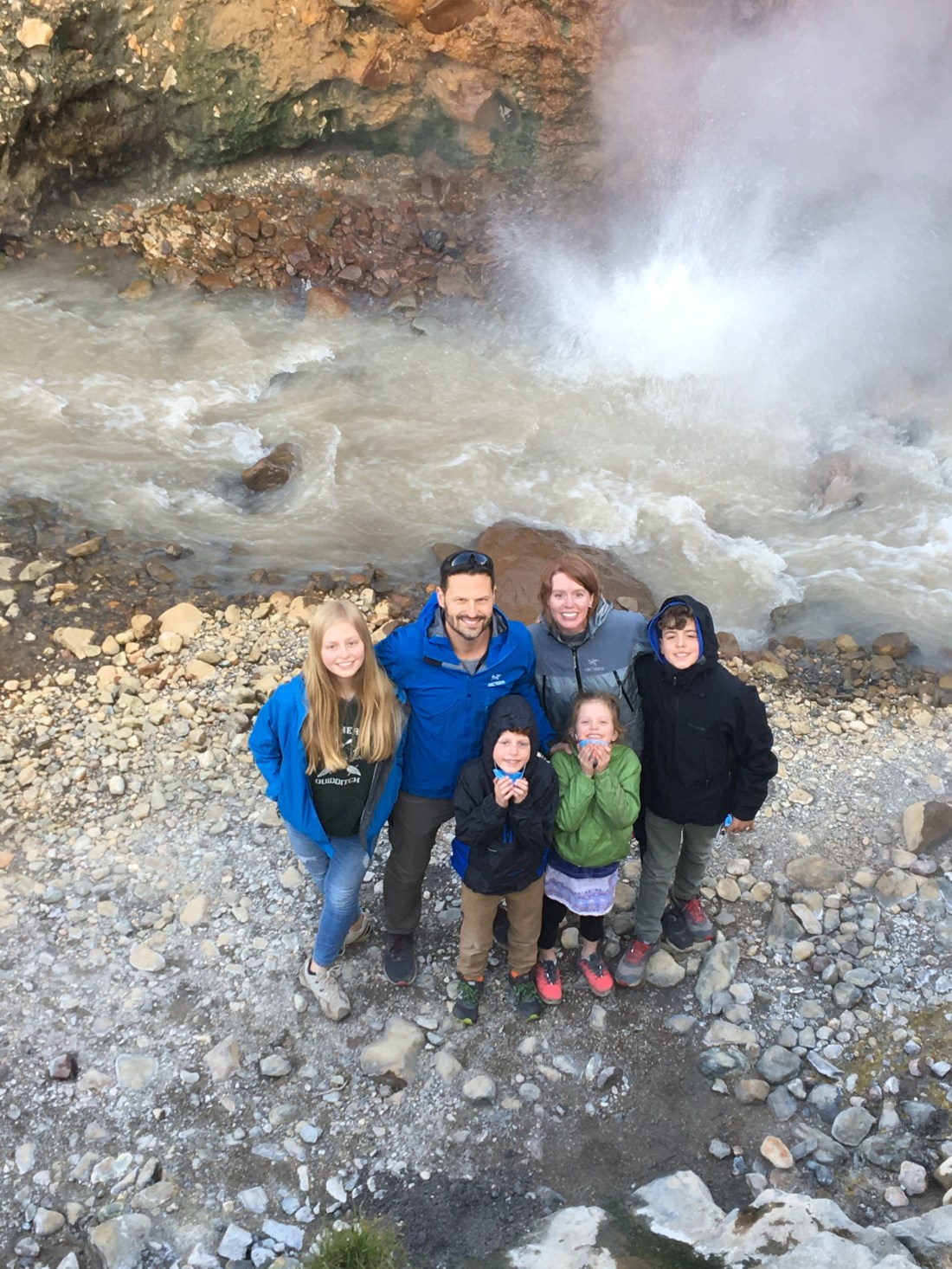
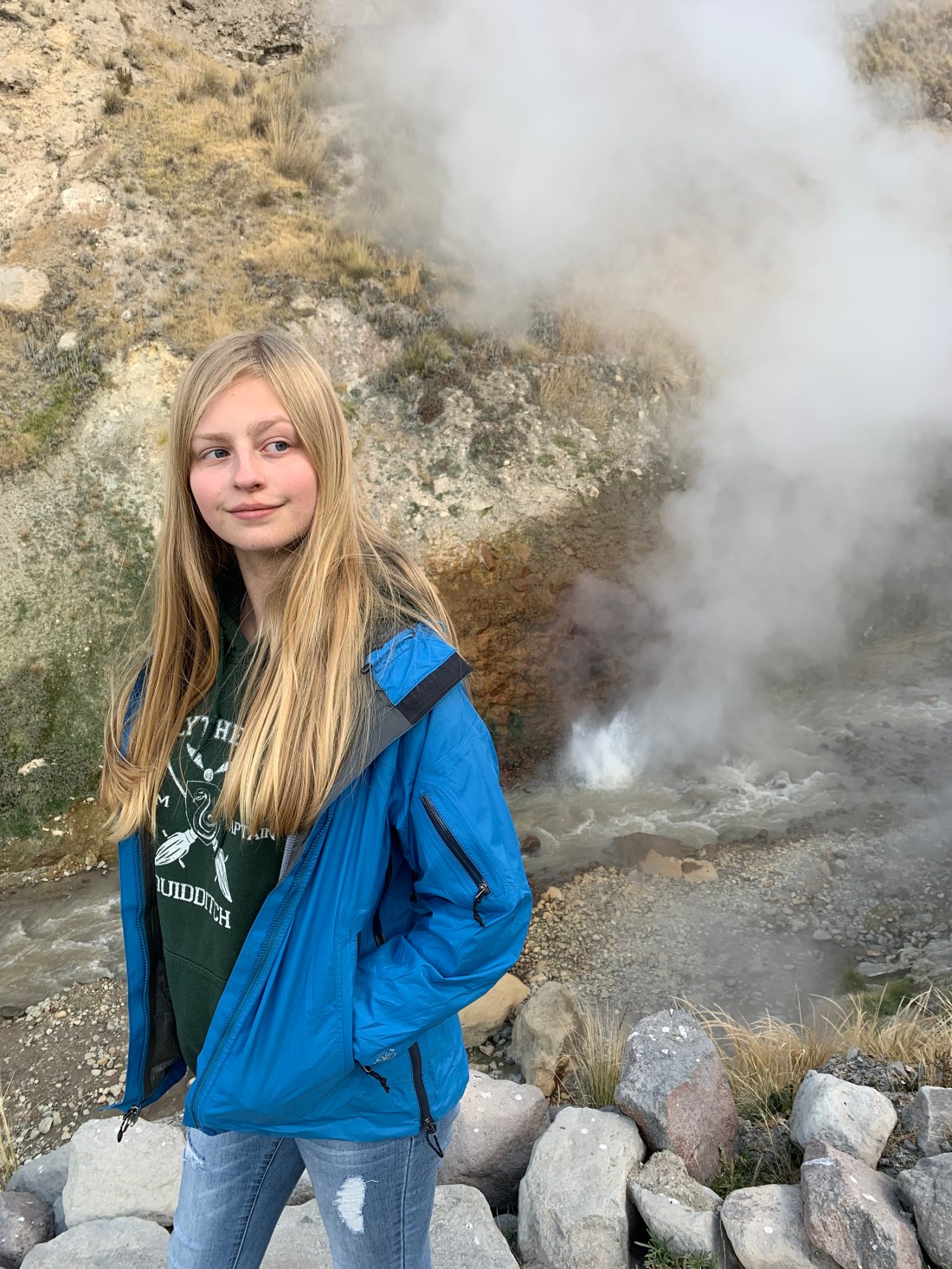
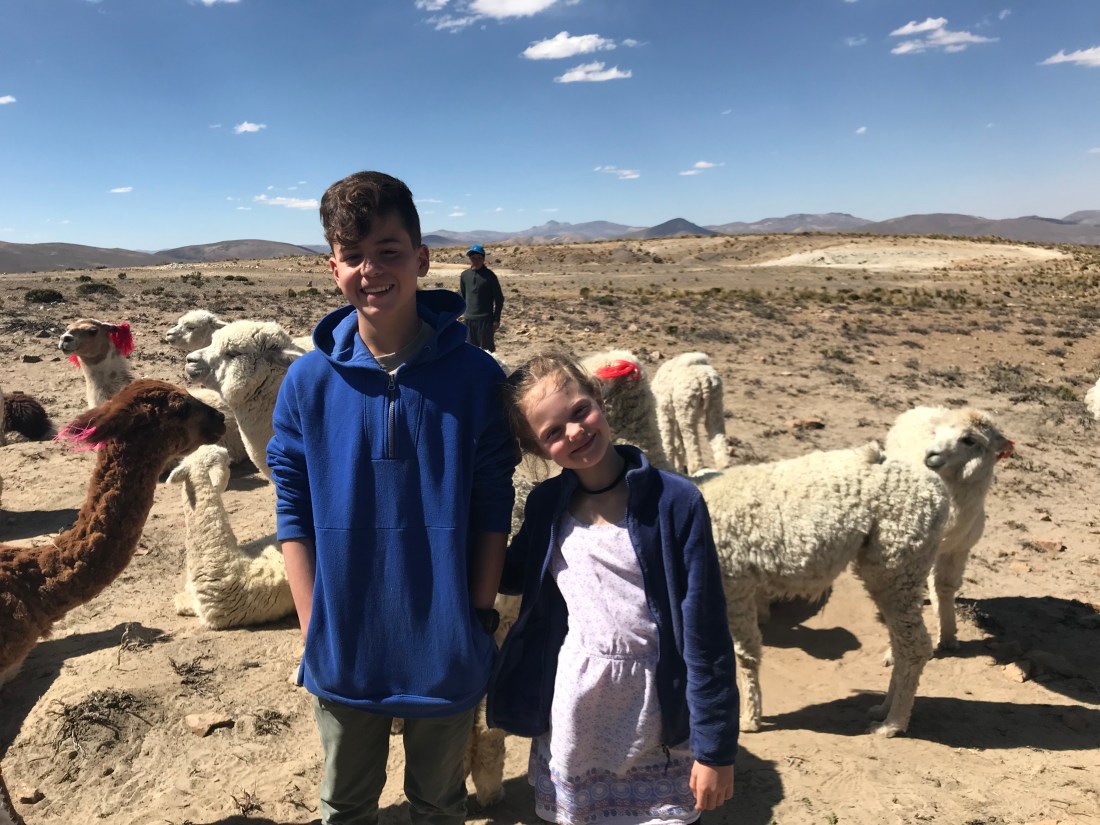 Near our lodging, was a thermal vent that creates a geyser when ice melt runs over the top. Unlike Yellowstone, there are no roped off areas, no signs of caution and no other tourists.
 .
.
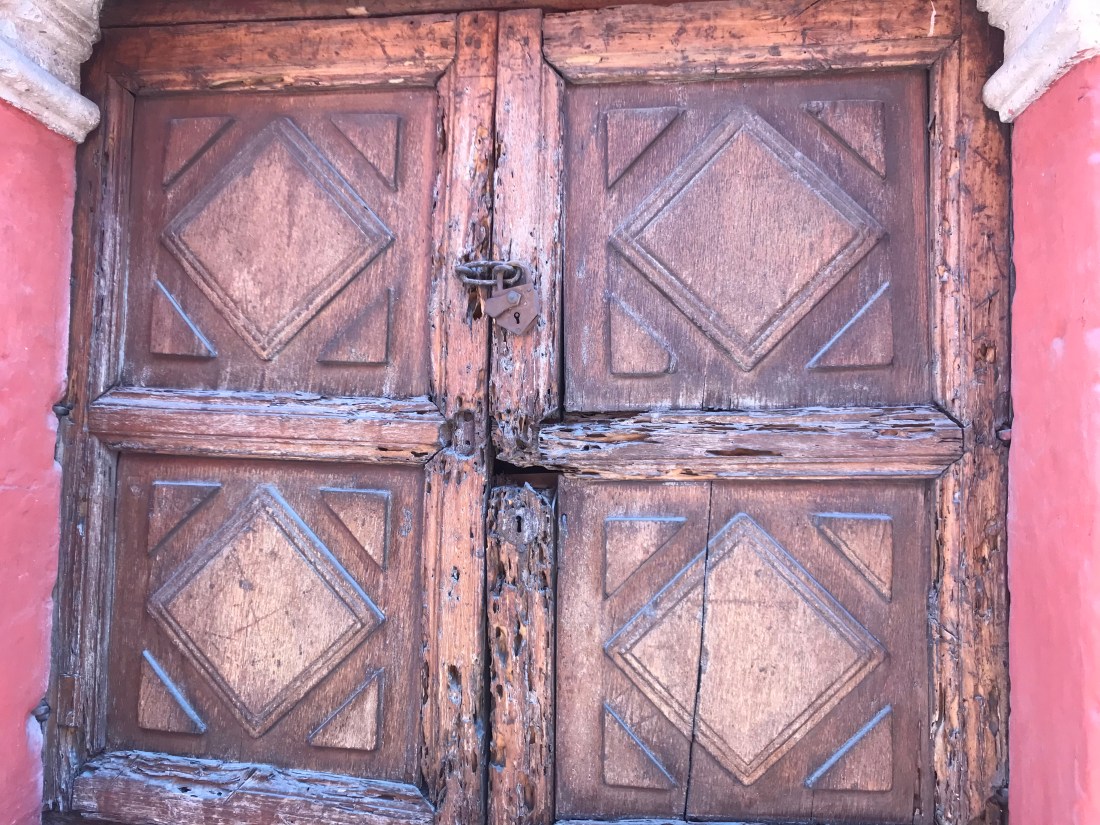
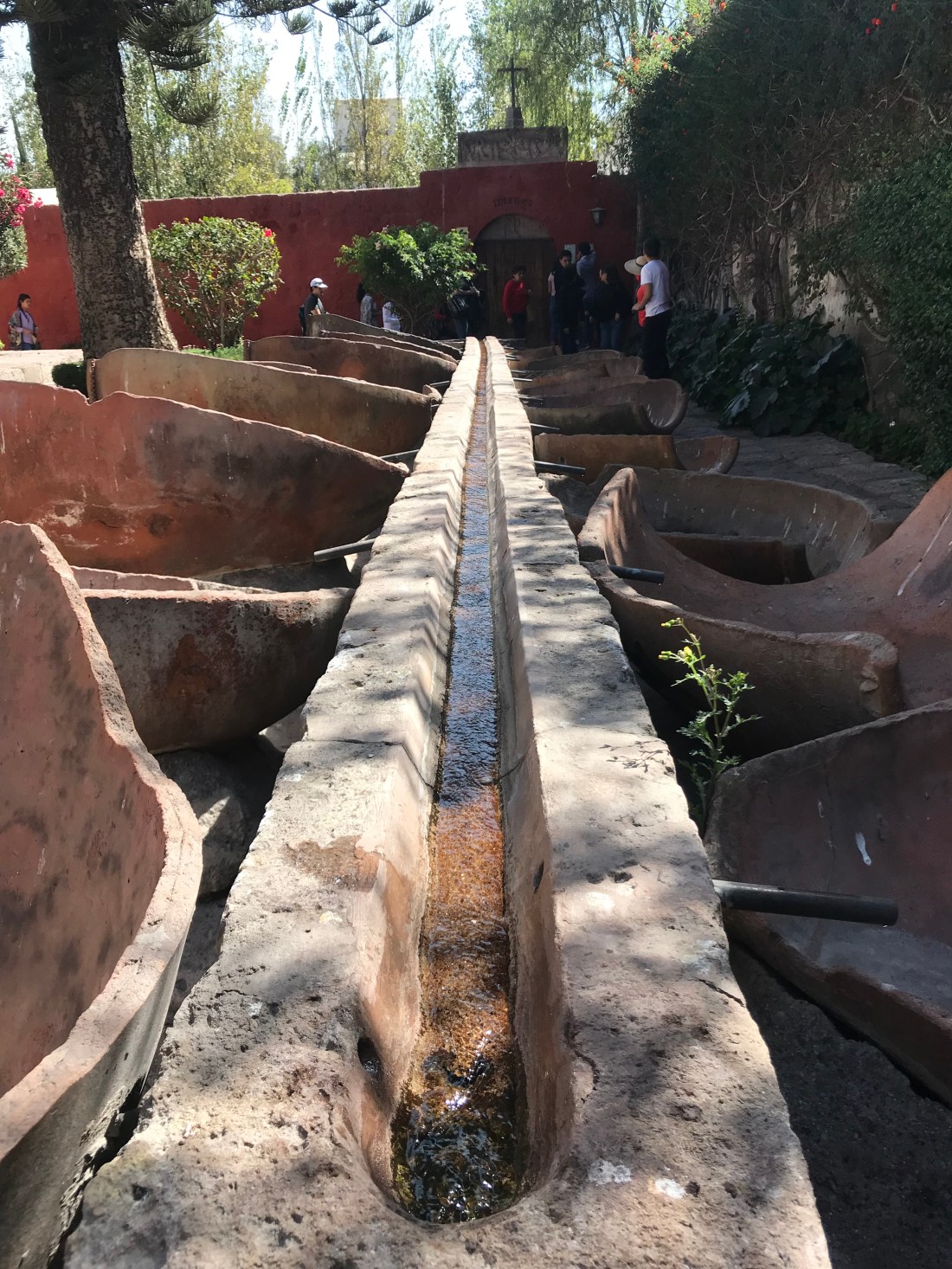
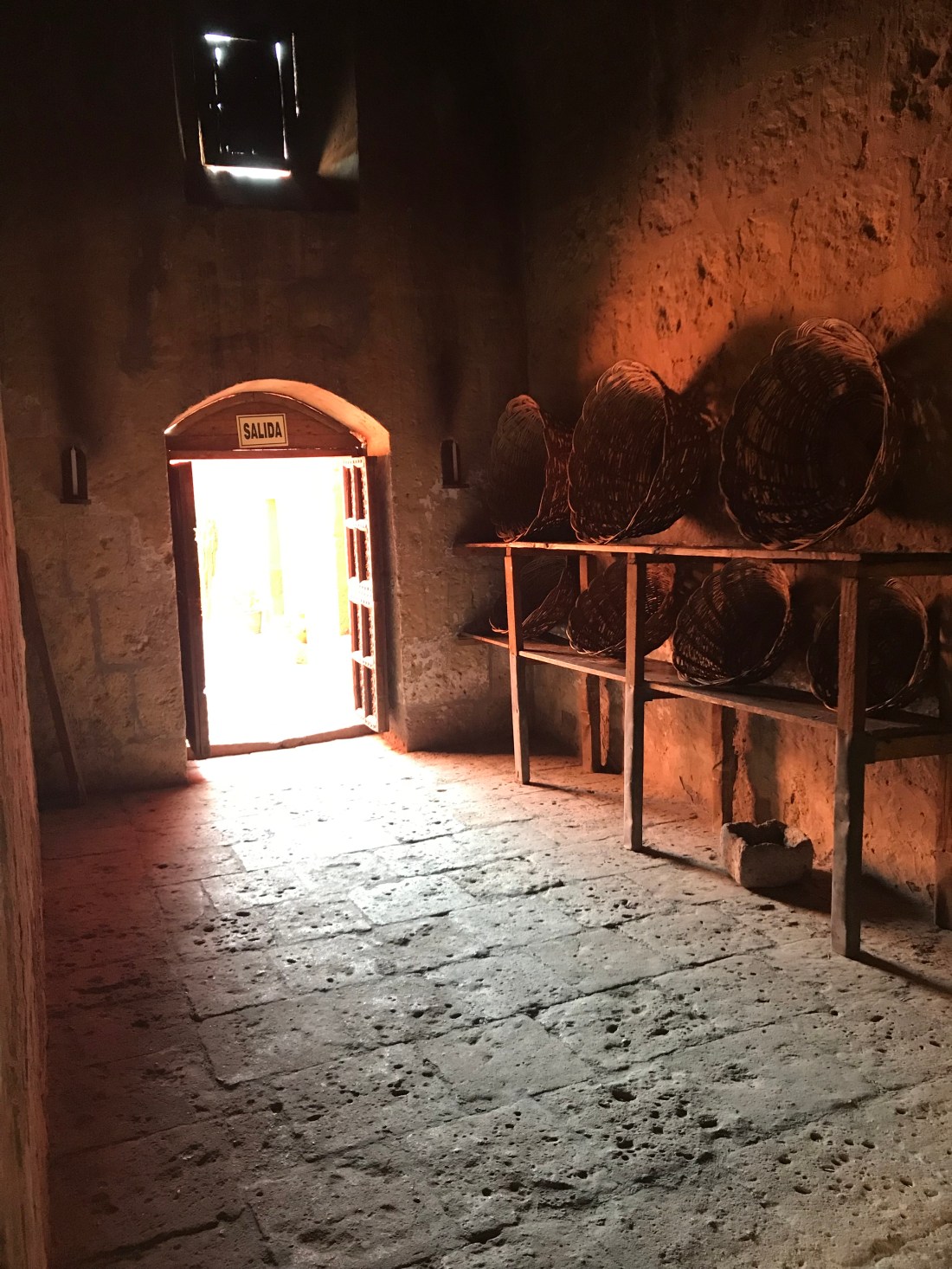
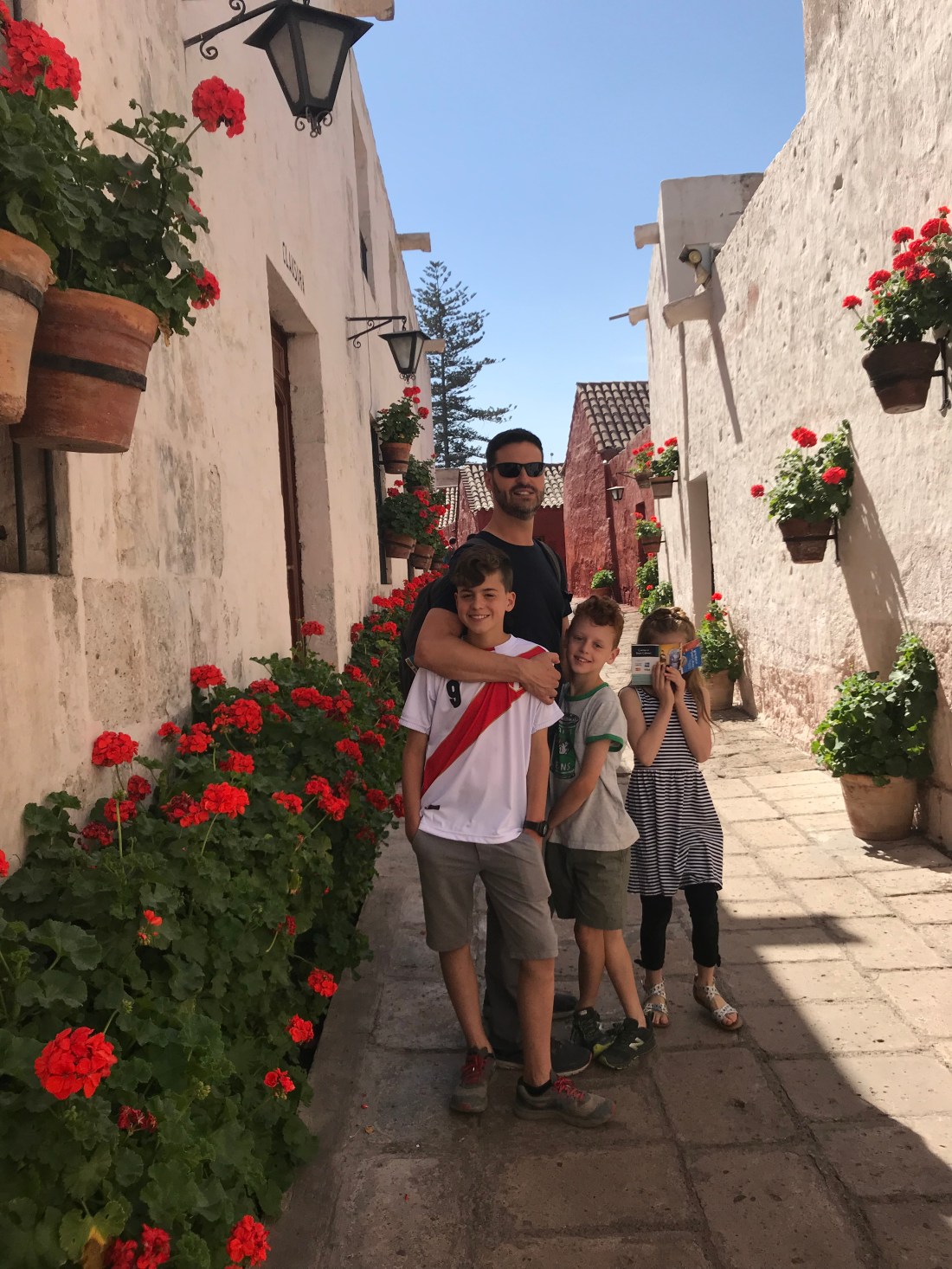 It is an old convent that dates back to the 1579s and was cloistered or almost completely isolated from secular life (including “lazy Susans” that helped sisters exchange gifts and goods without visual contact). In the 1960s, earthquakes forced the sisters to move out of these residences and the convent was restored and opened to the public.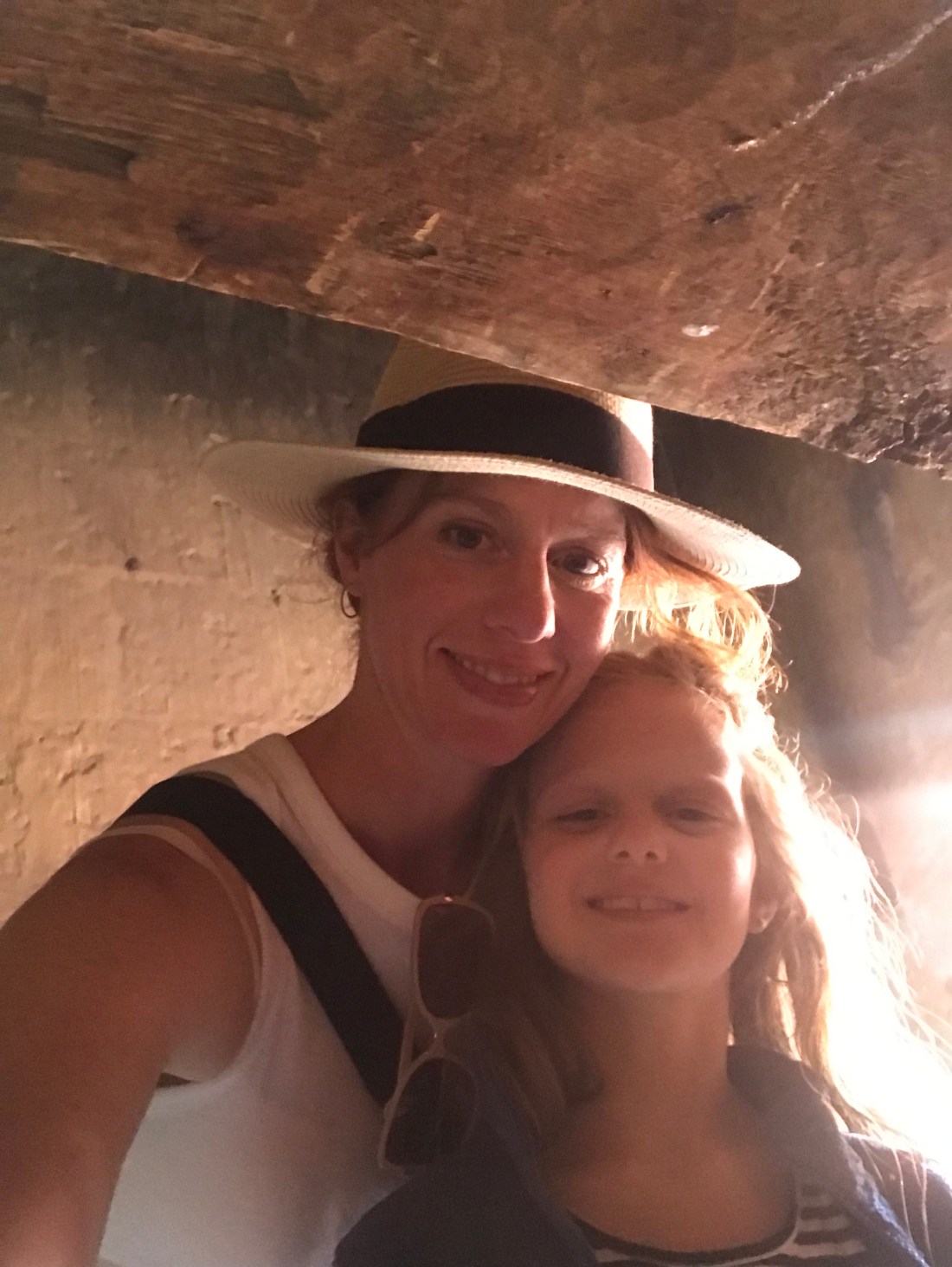
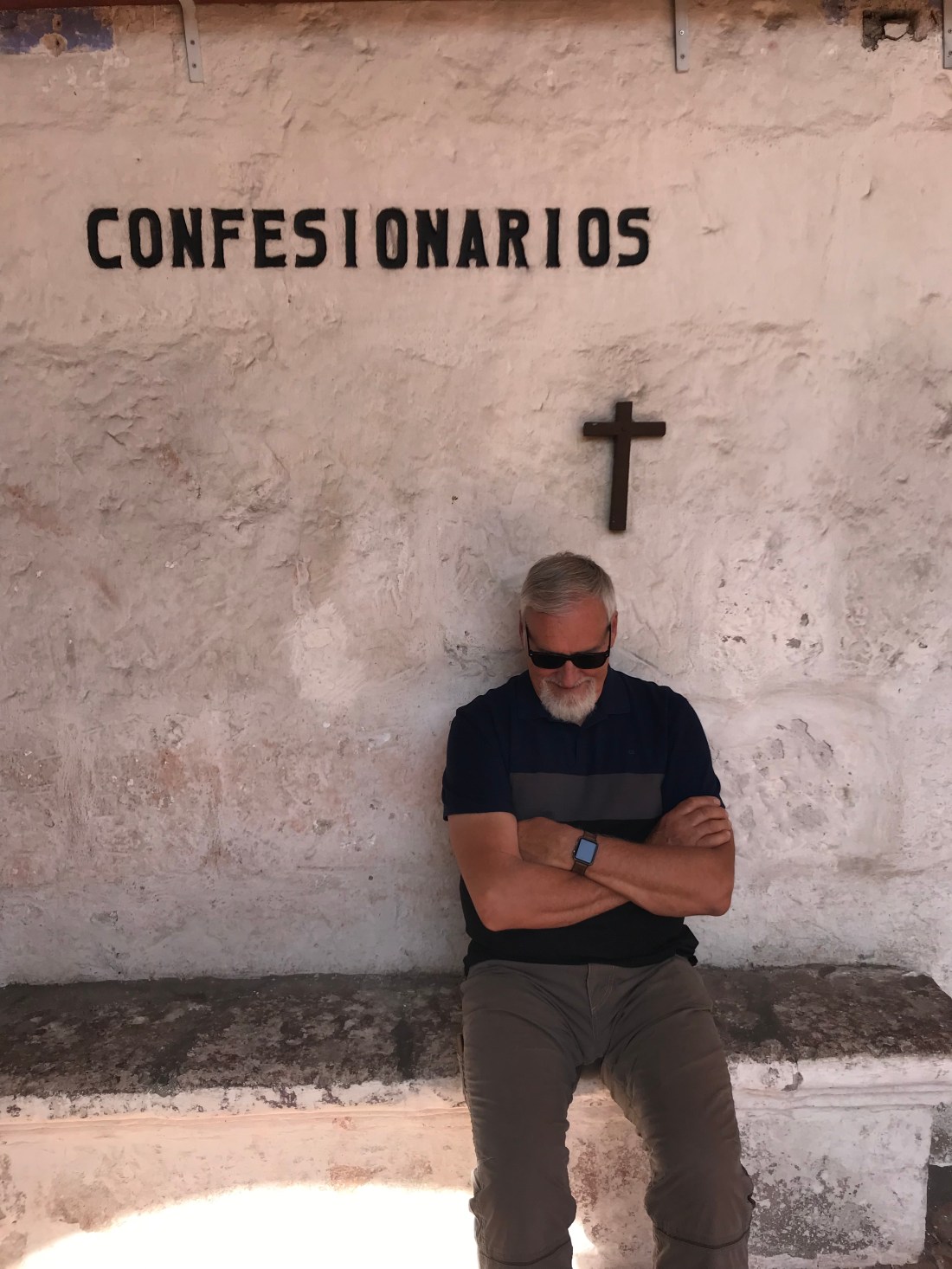 Cool fact: Paul Gaugin’s mother sought refuge here during a period of conflict with Chile.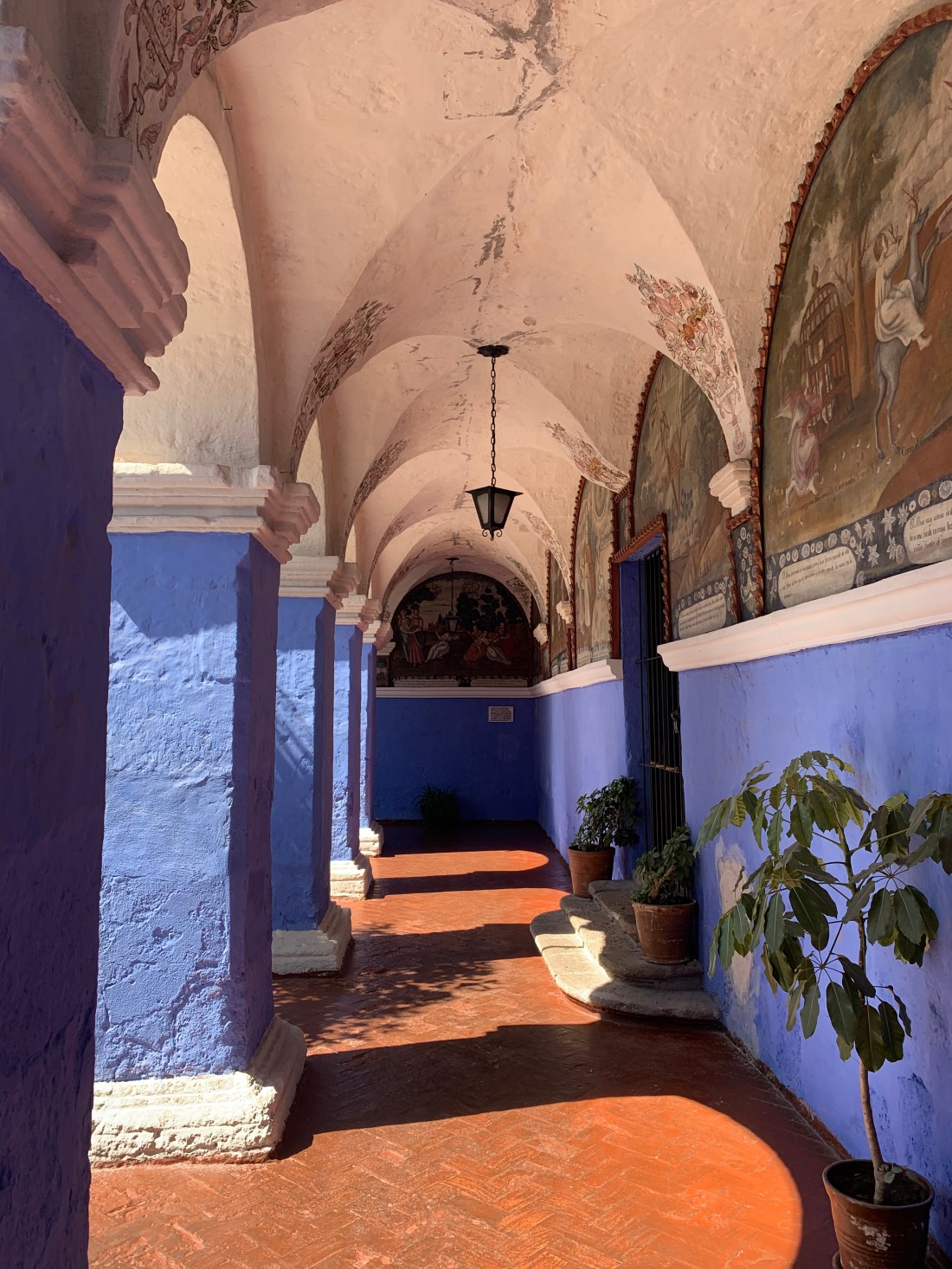
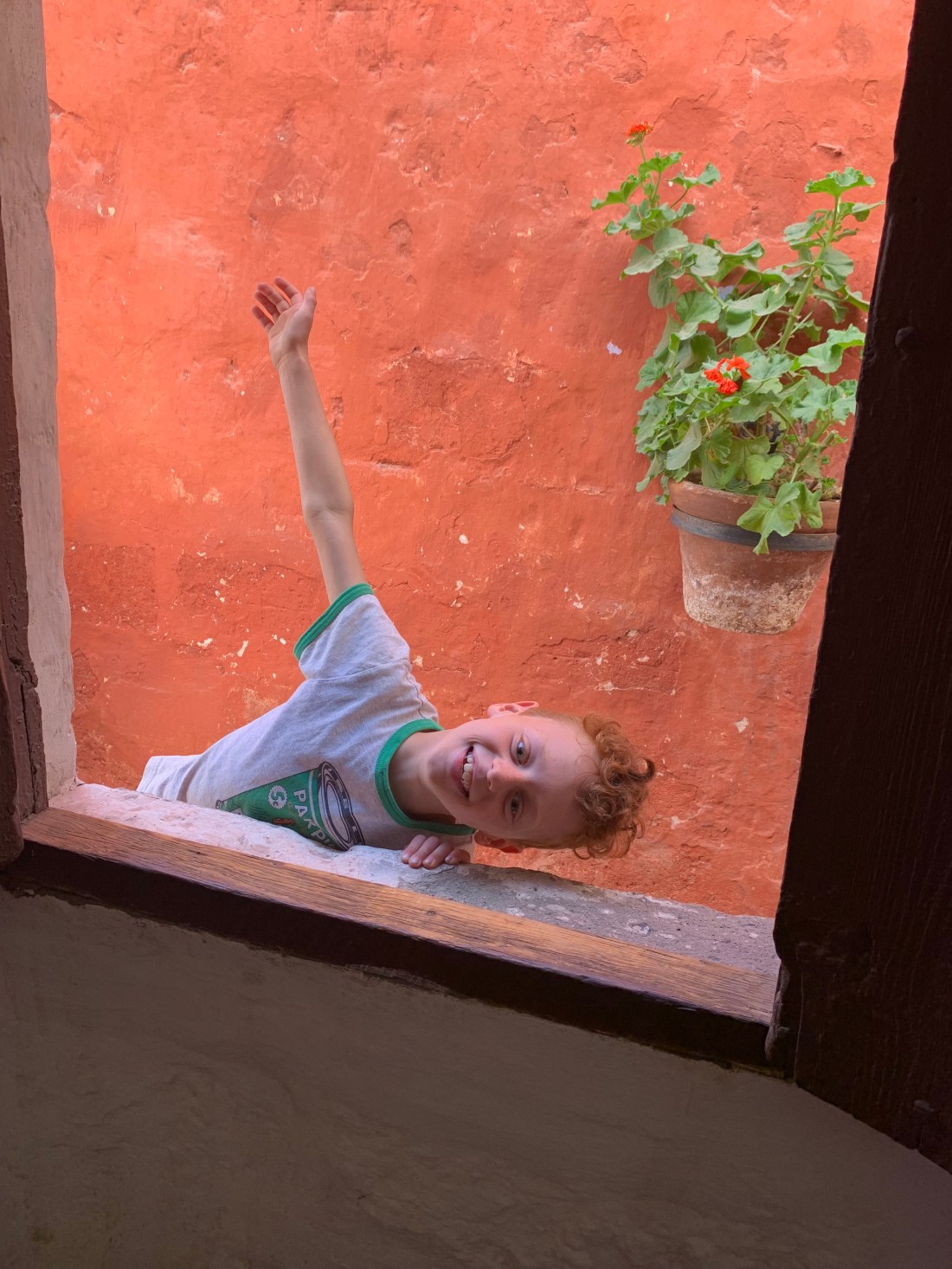
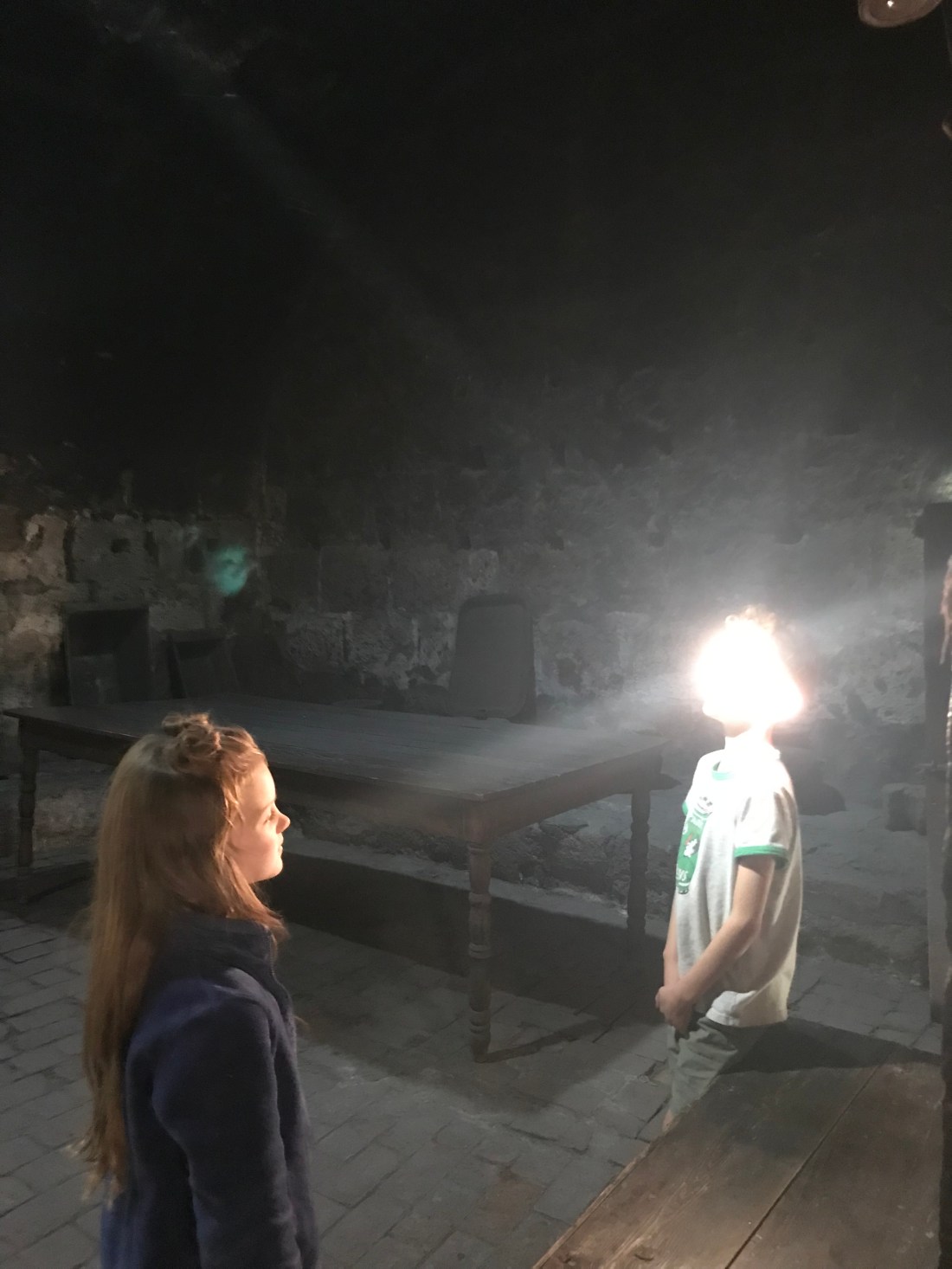
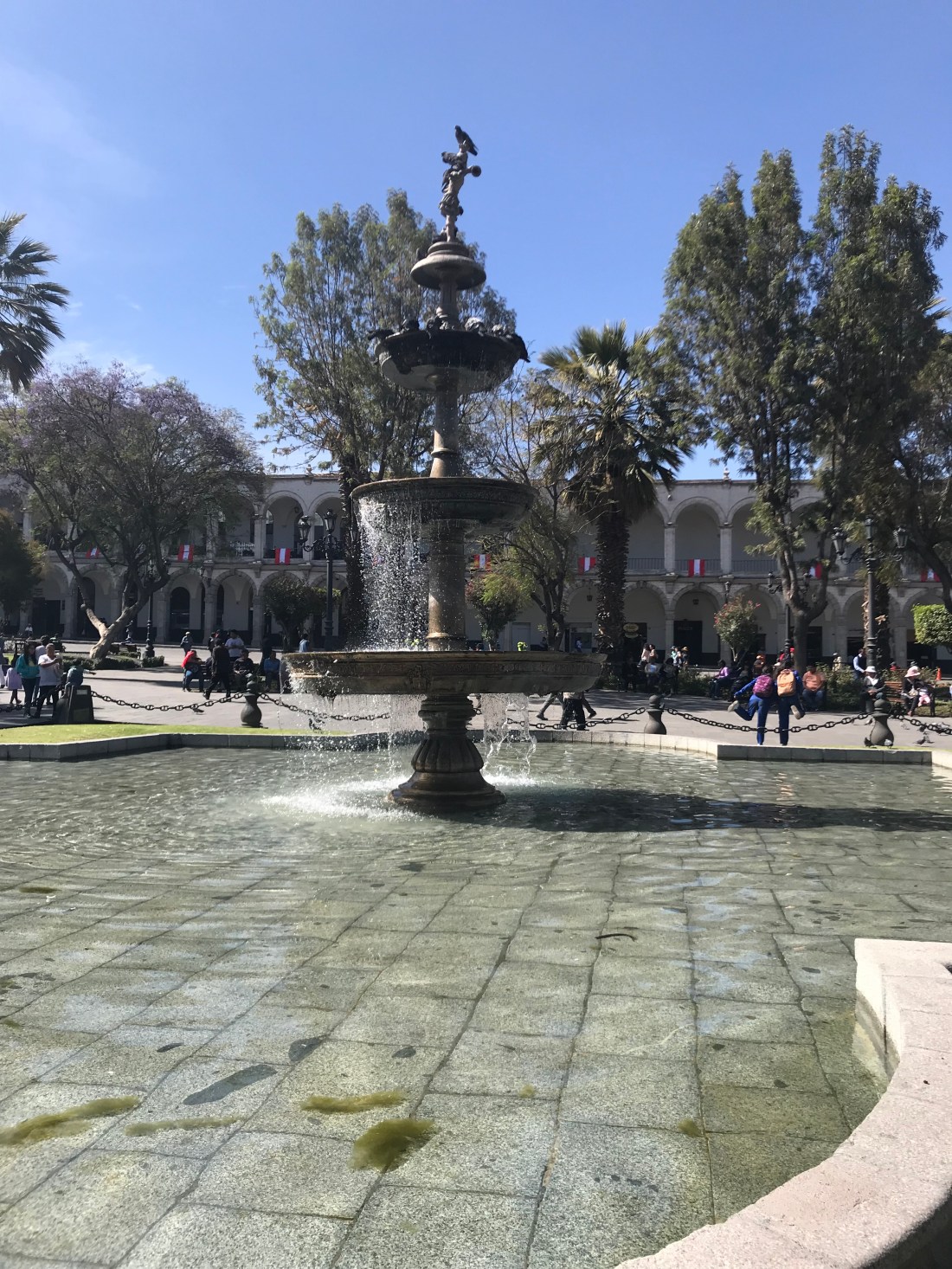
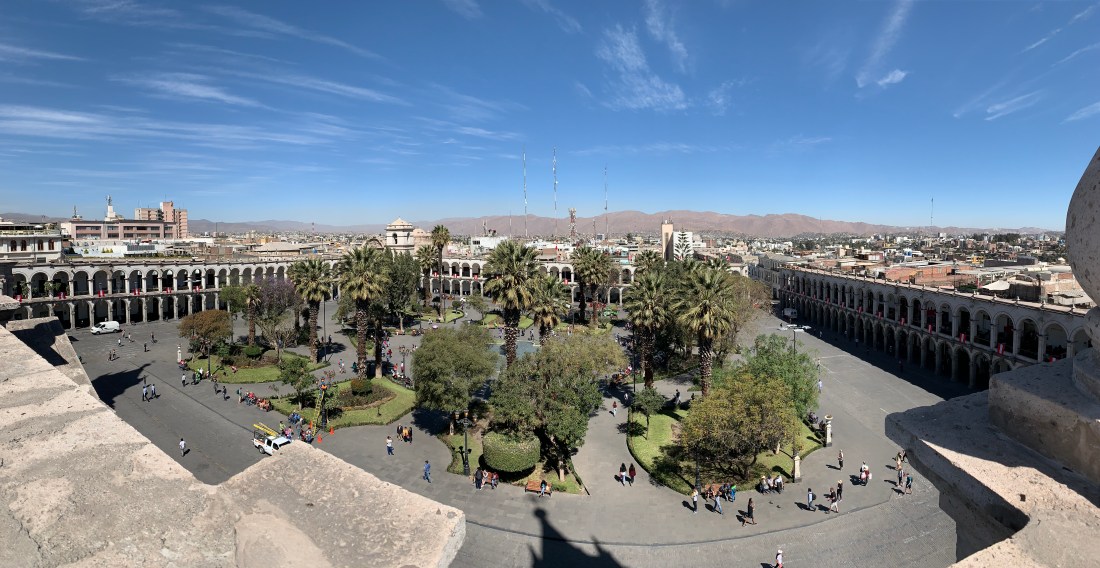
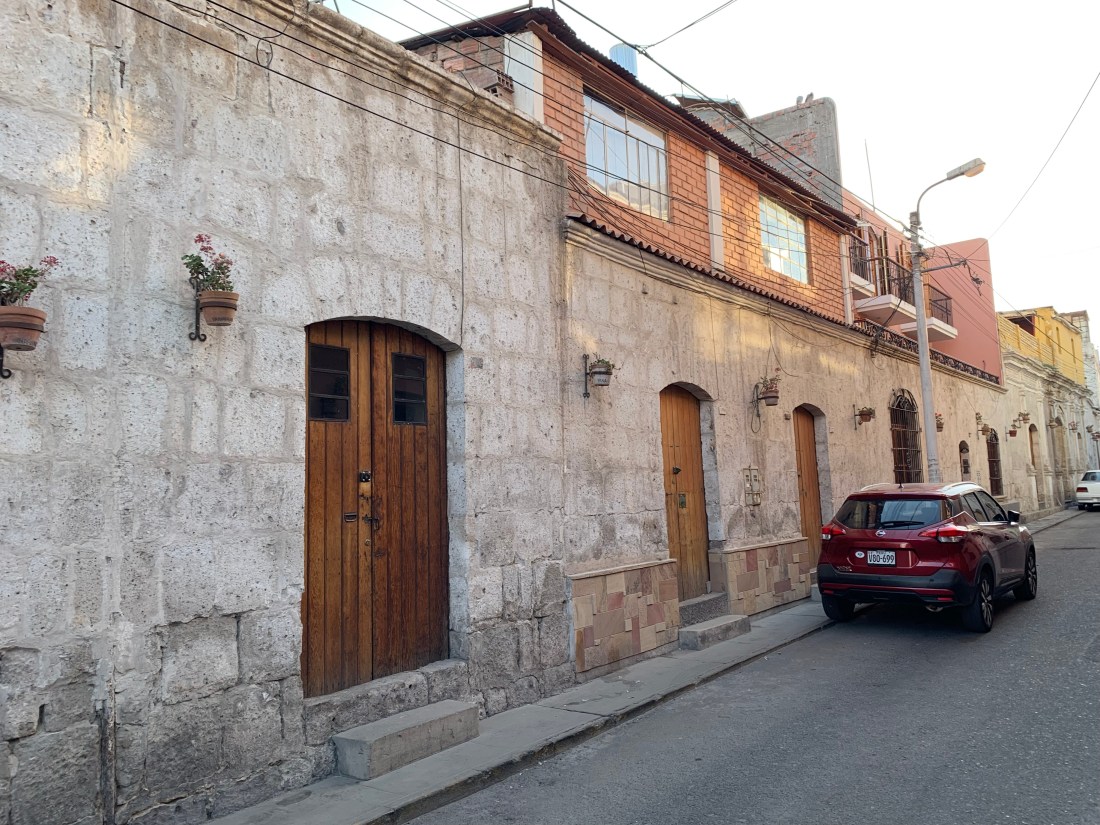 The white walls and glowing churches set off bright bougainvillea and geraniums that seem to grow everywhere. The central plaza is set off by a grand basilica that has been rebuilt several times due to earthquakes.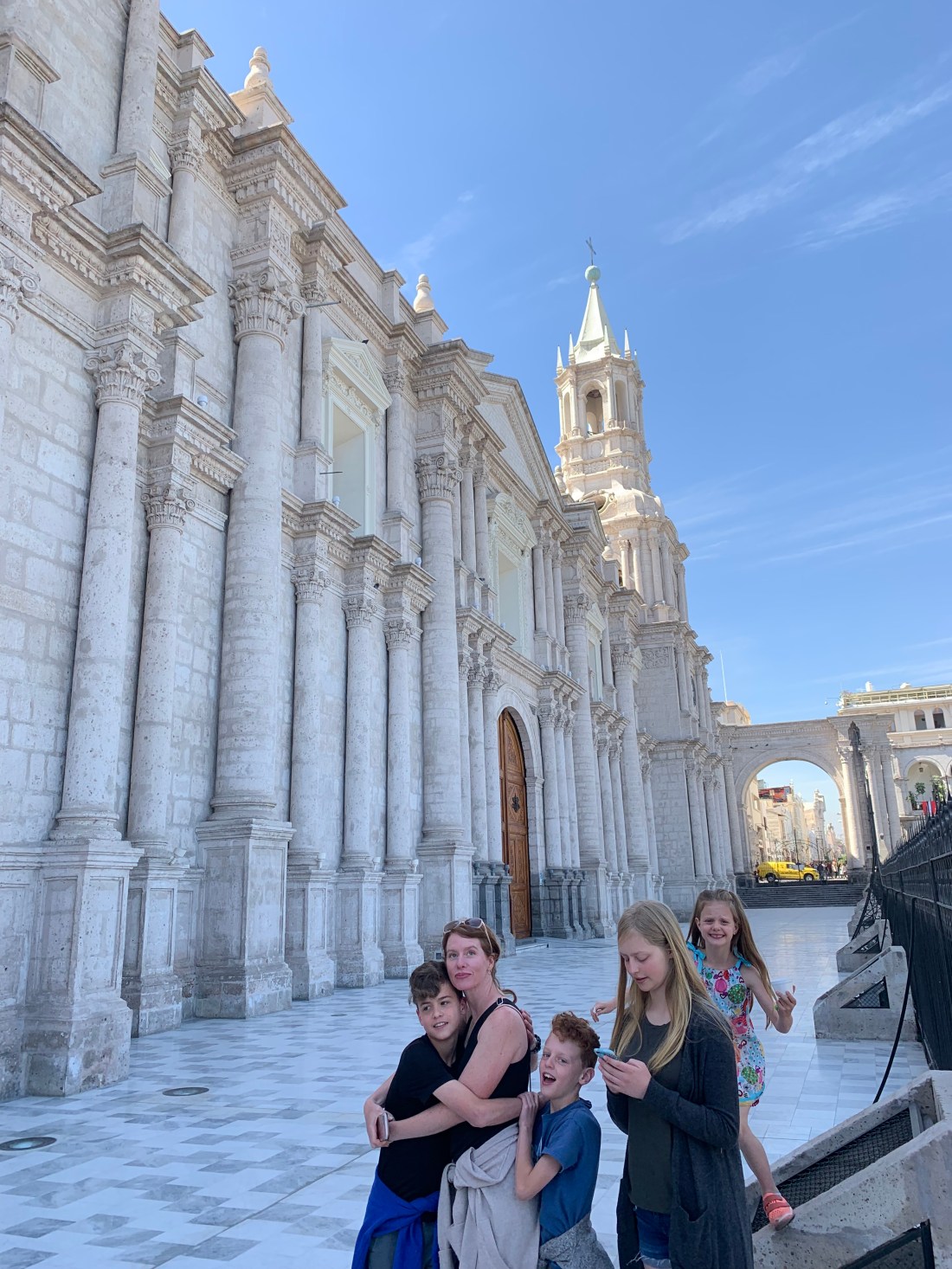
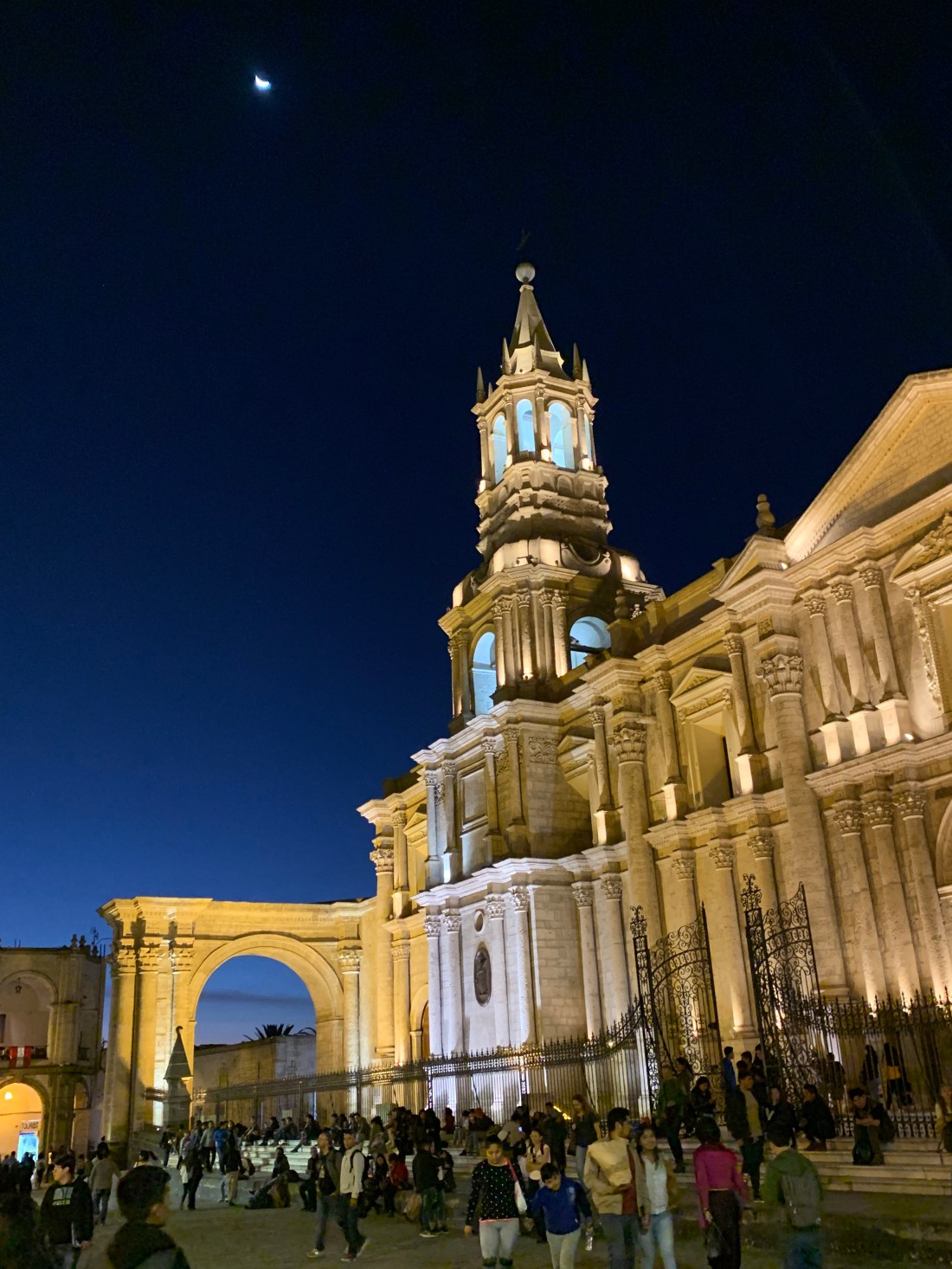 It has a massive organ from Belgium (and we were lucky enough to hear a mini concert)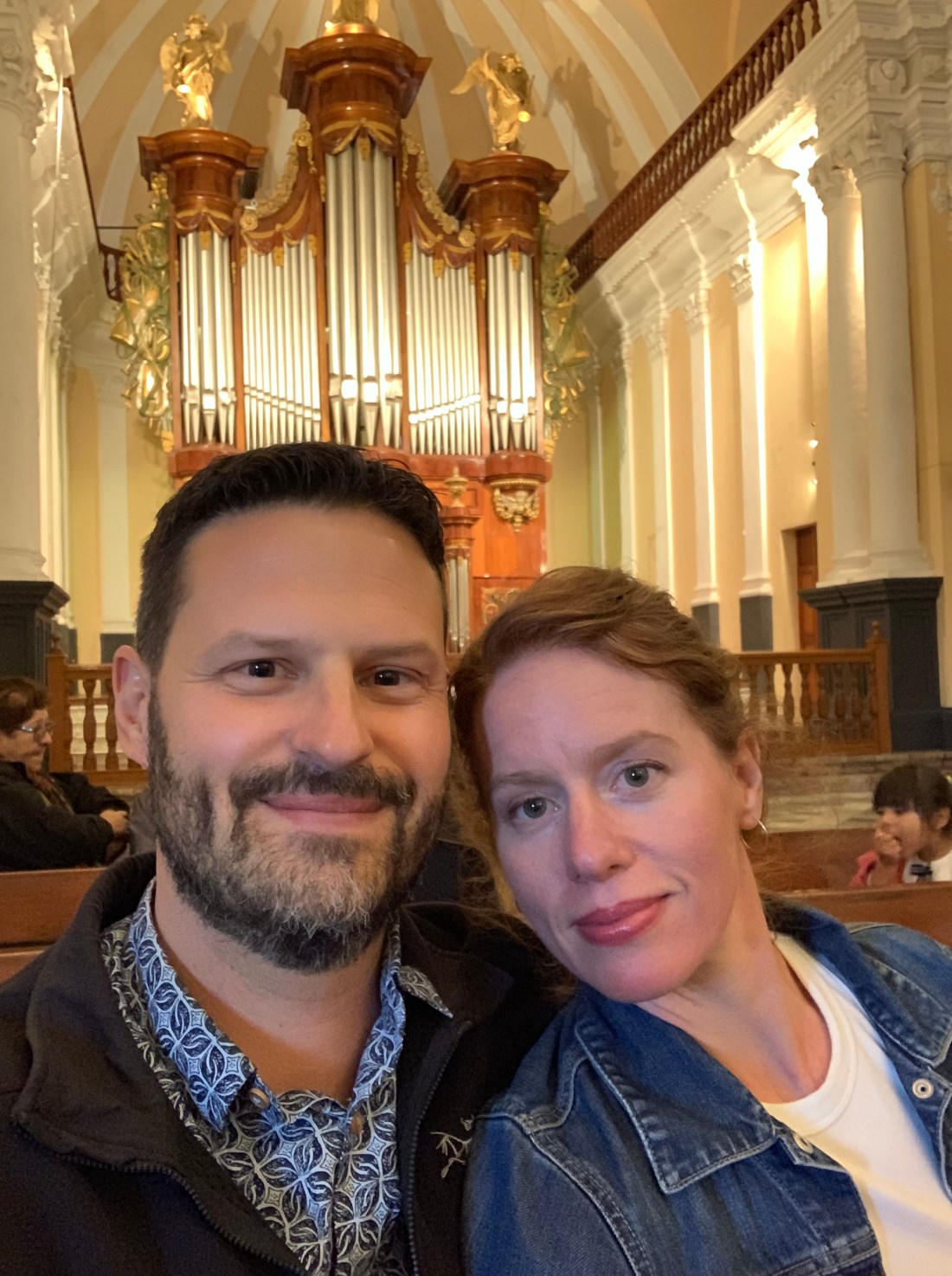
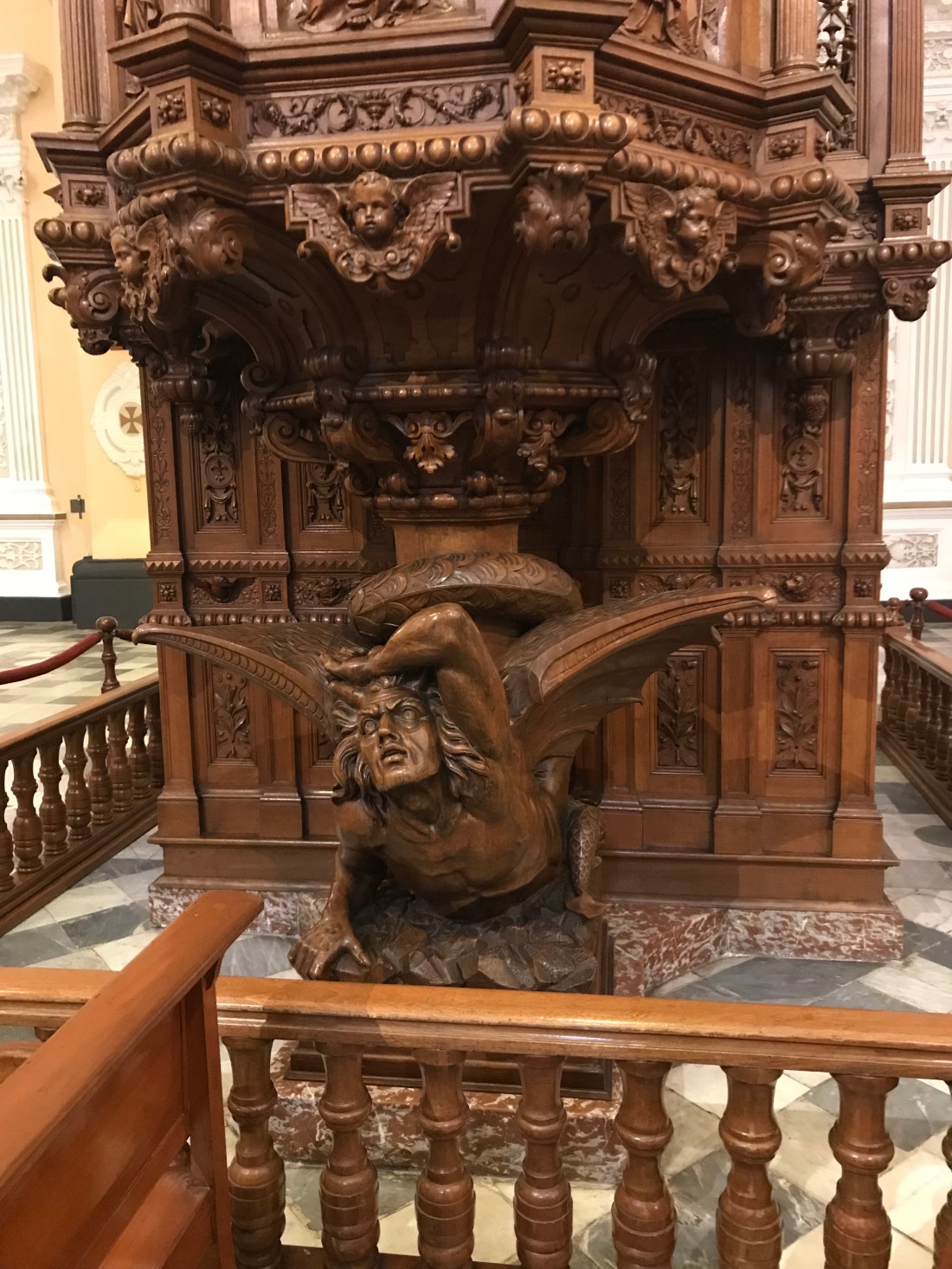 and a museum with religious artifacts built with gold, silver and precious stones (pictures are not allowed). The most impressive is a silver pelican that stands about 2-3ft high. She is studded with garnets and sapphires and nestles two babies below. Because she lack food for her babies, she has picked her breast and offers her blood to save them. A catholic legend that recalls Christ’s sacrifice for us.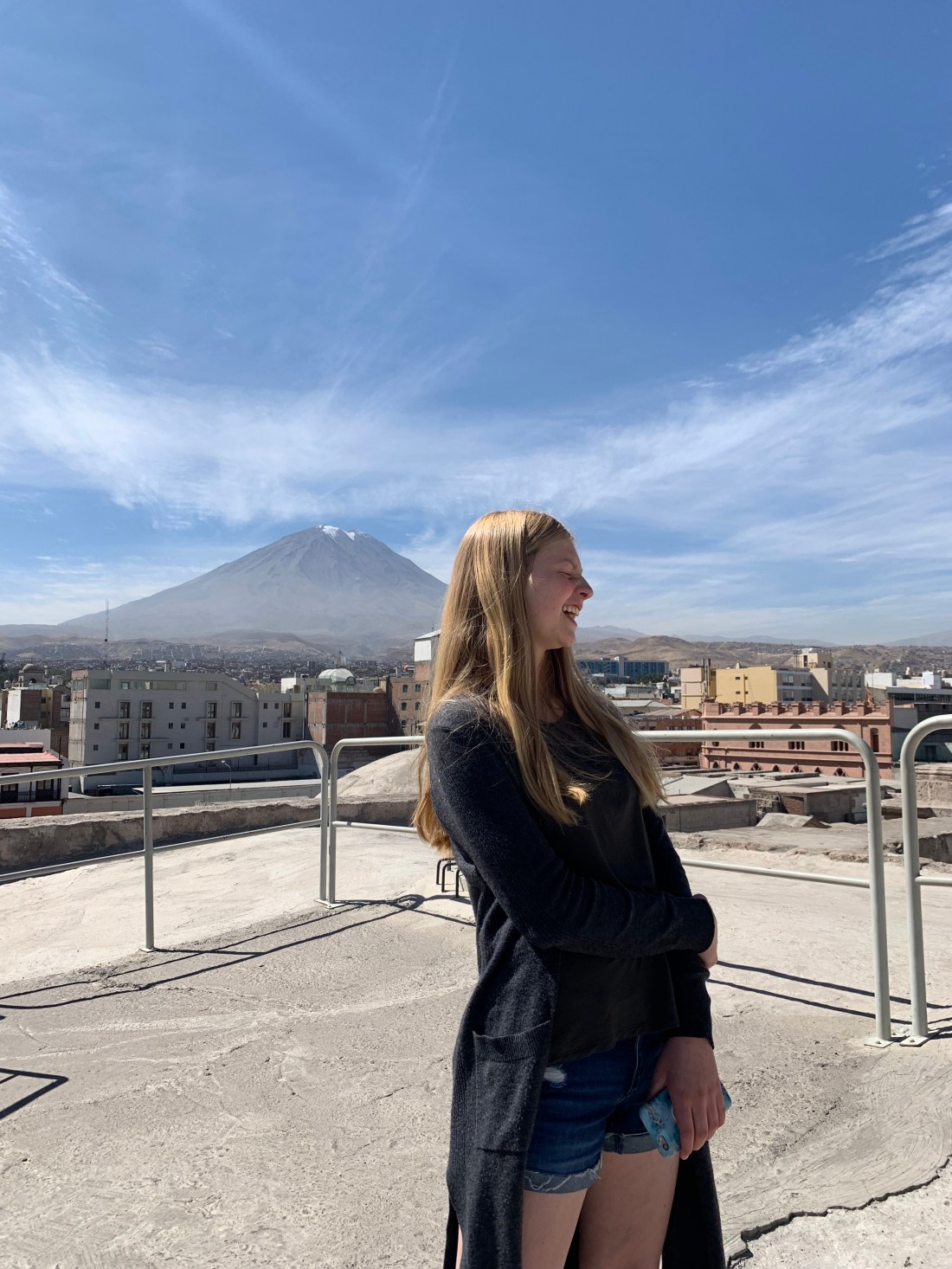
 5. Rely on each other for support.
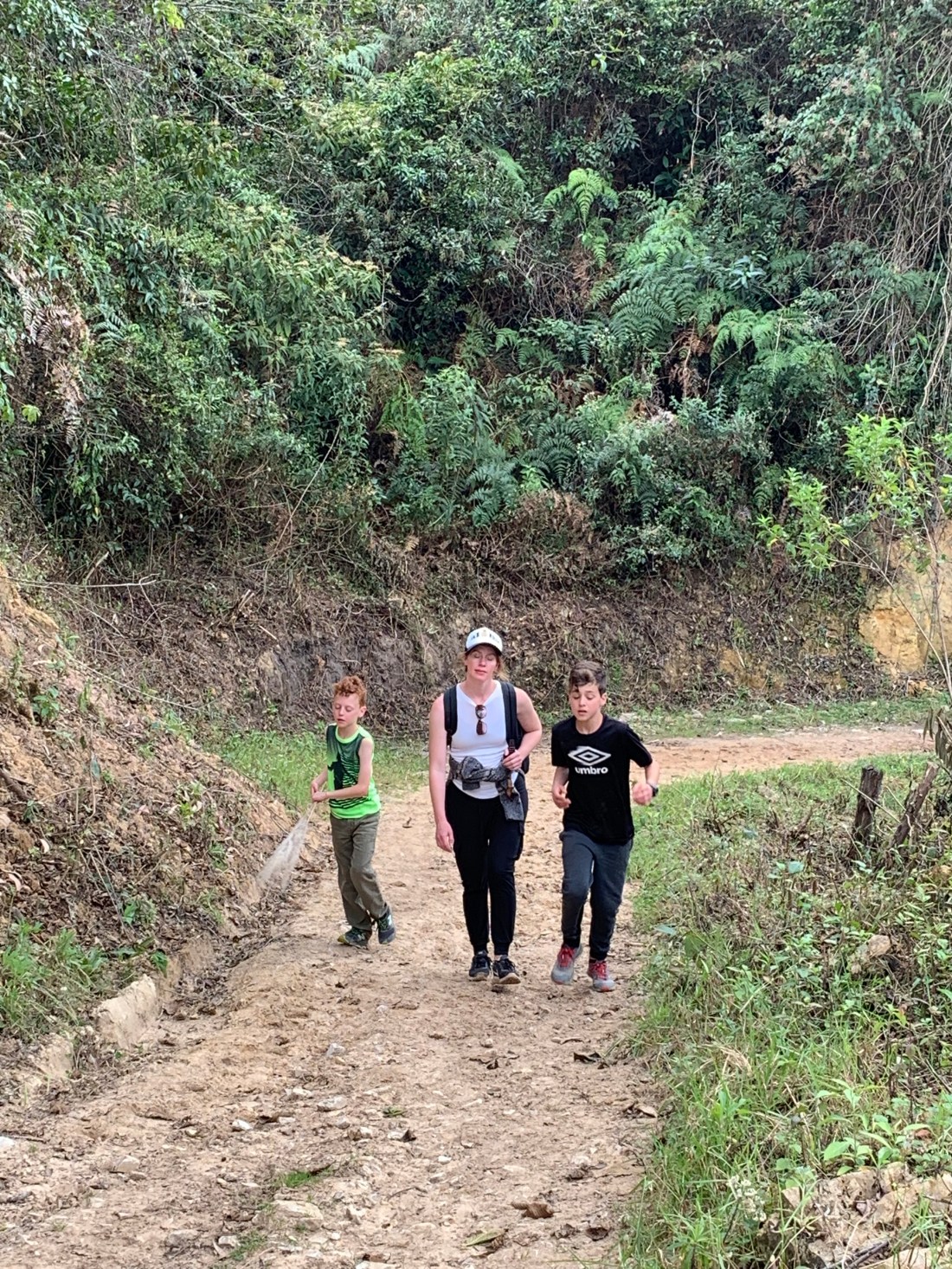
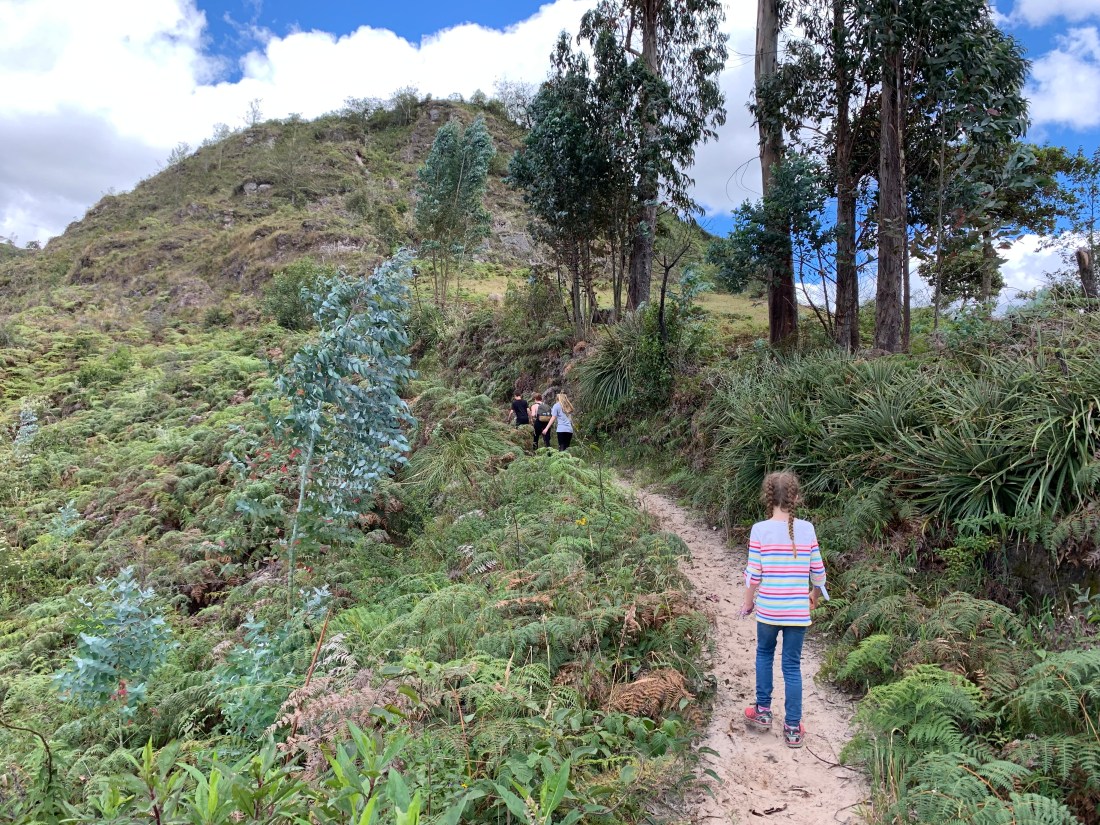
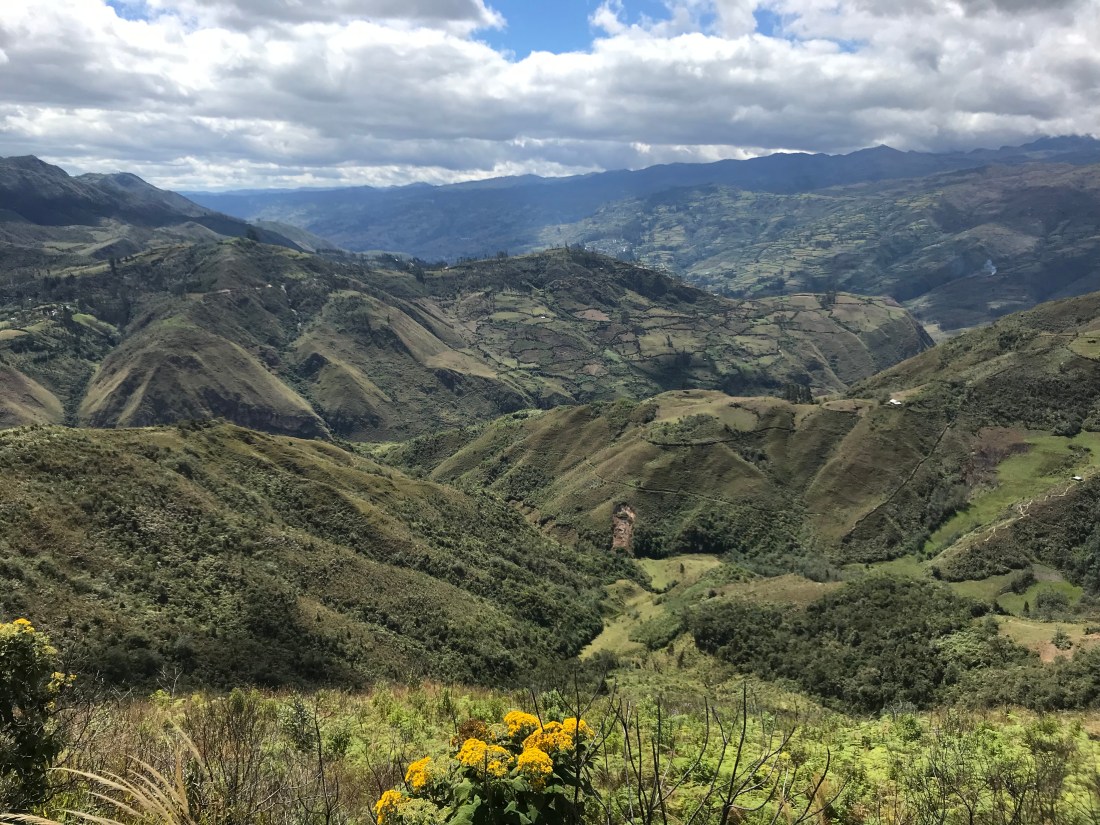
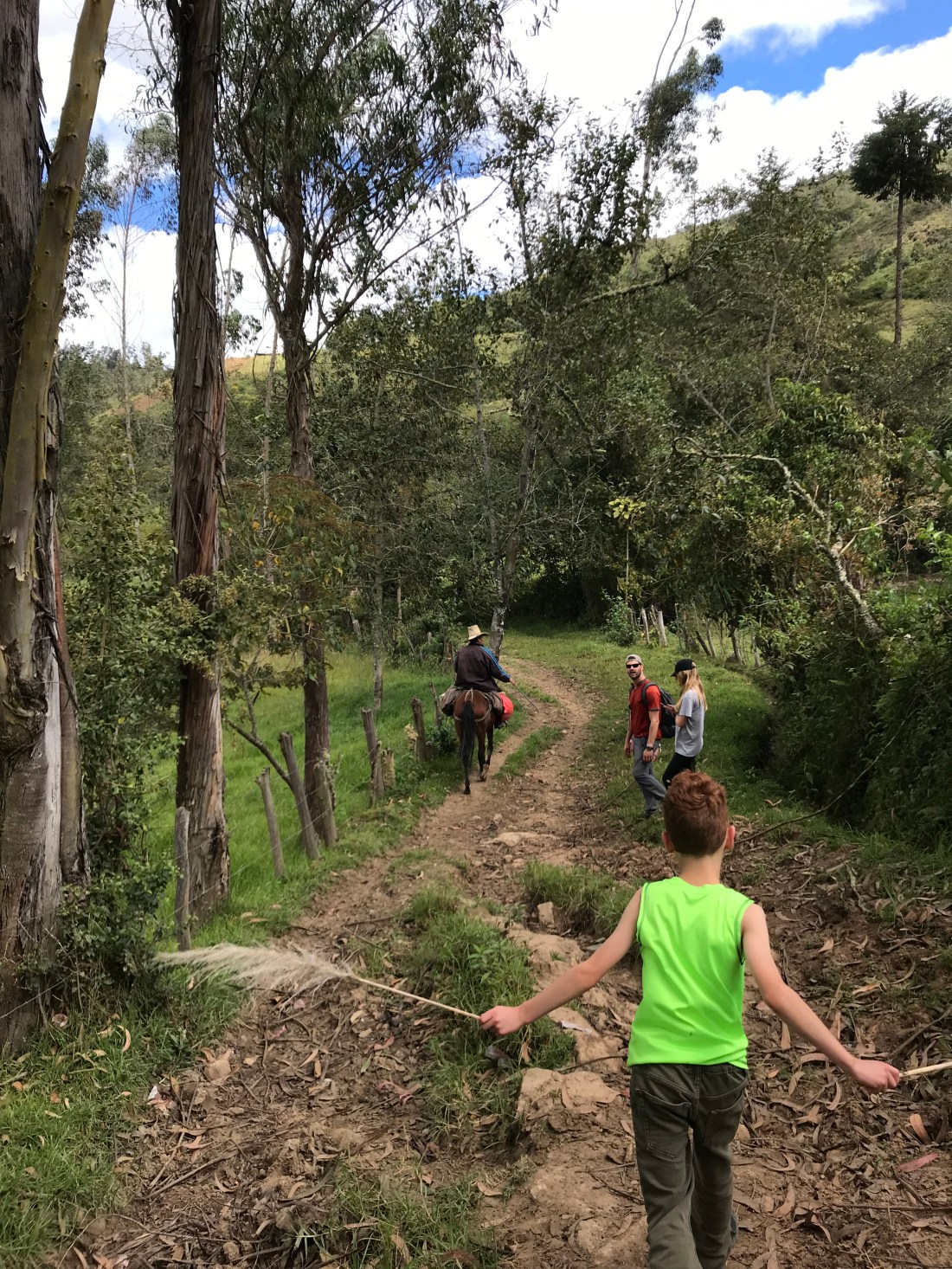
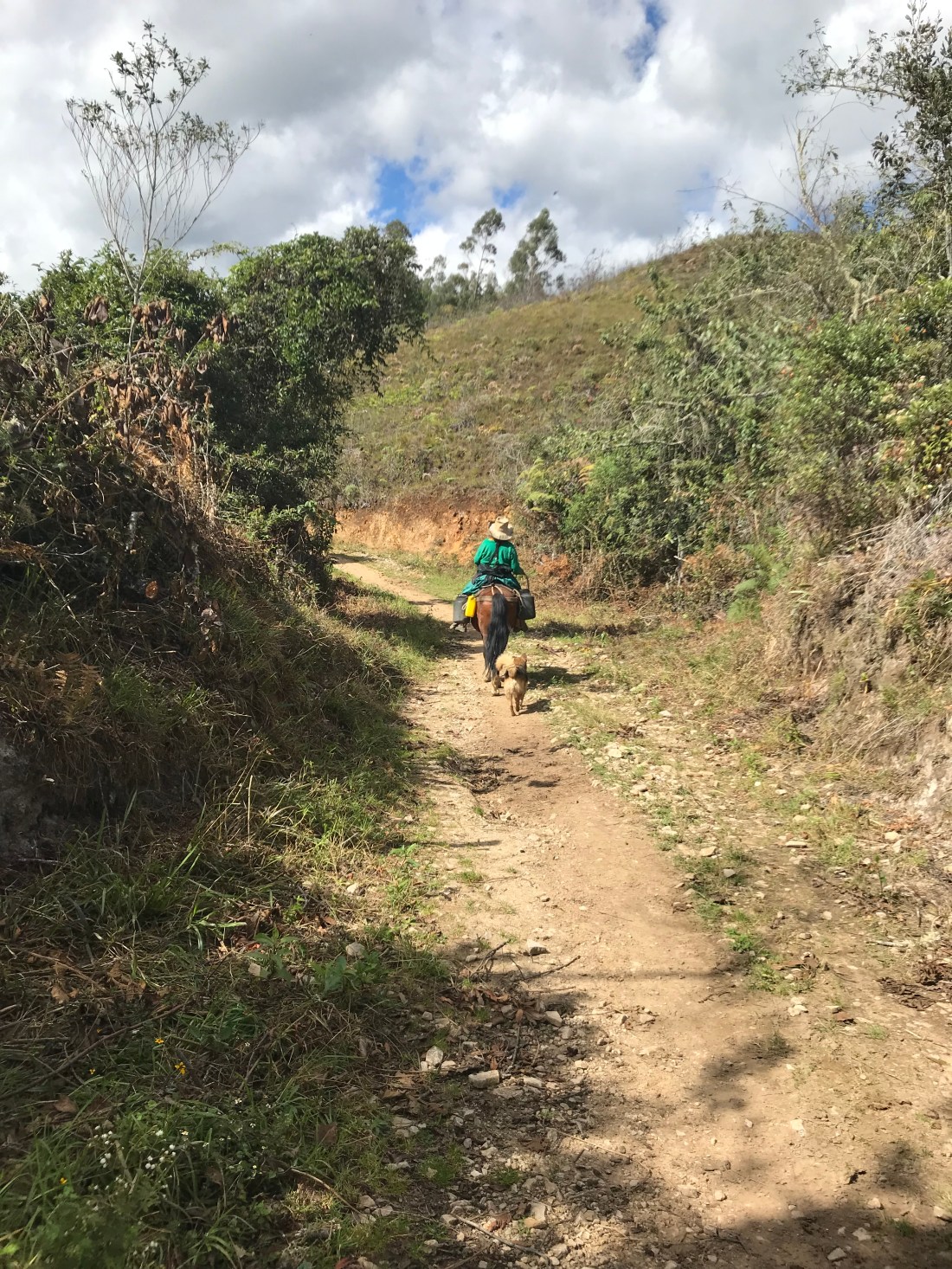
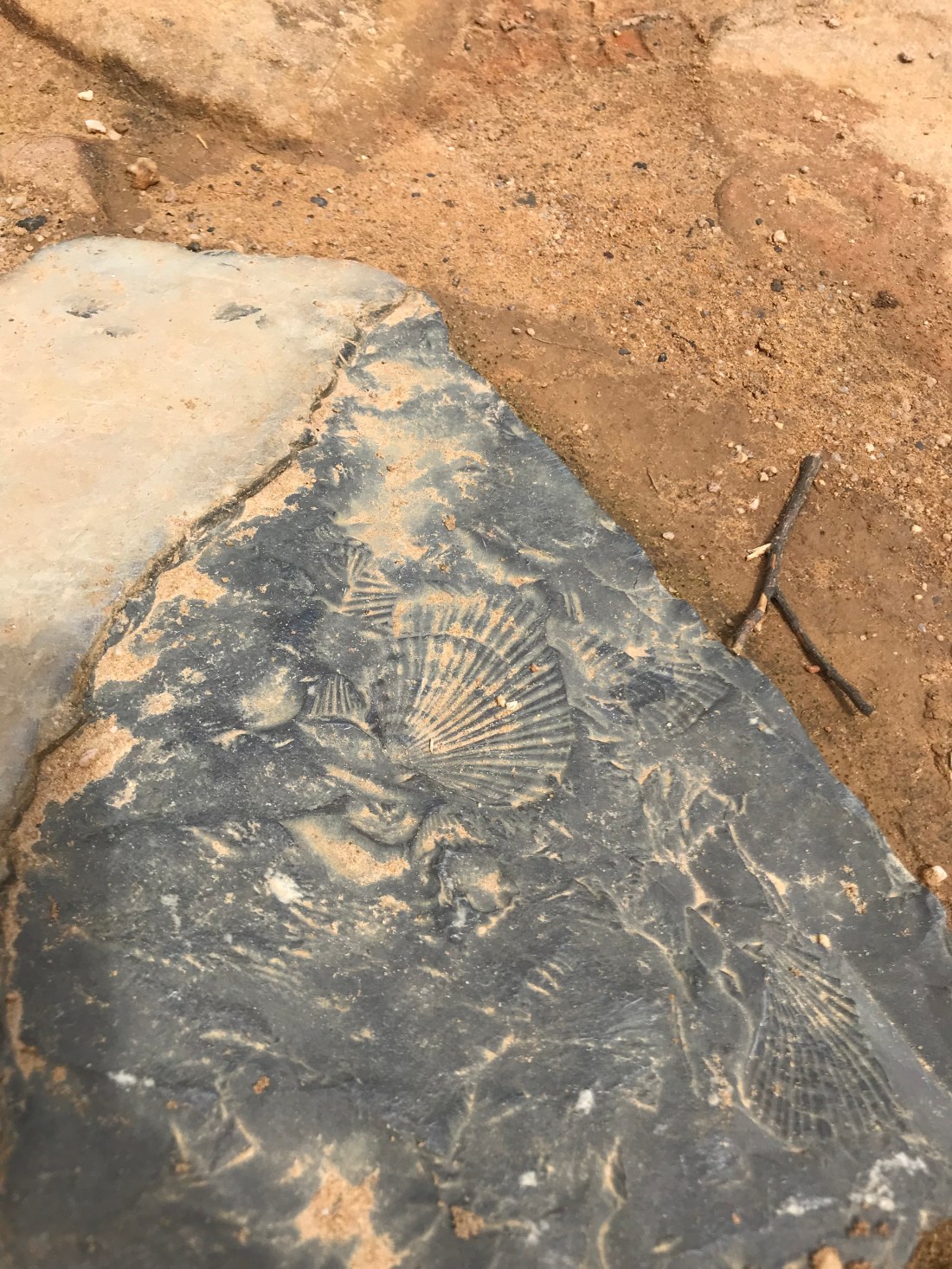
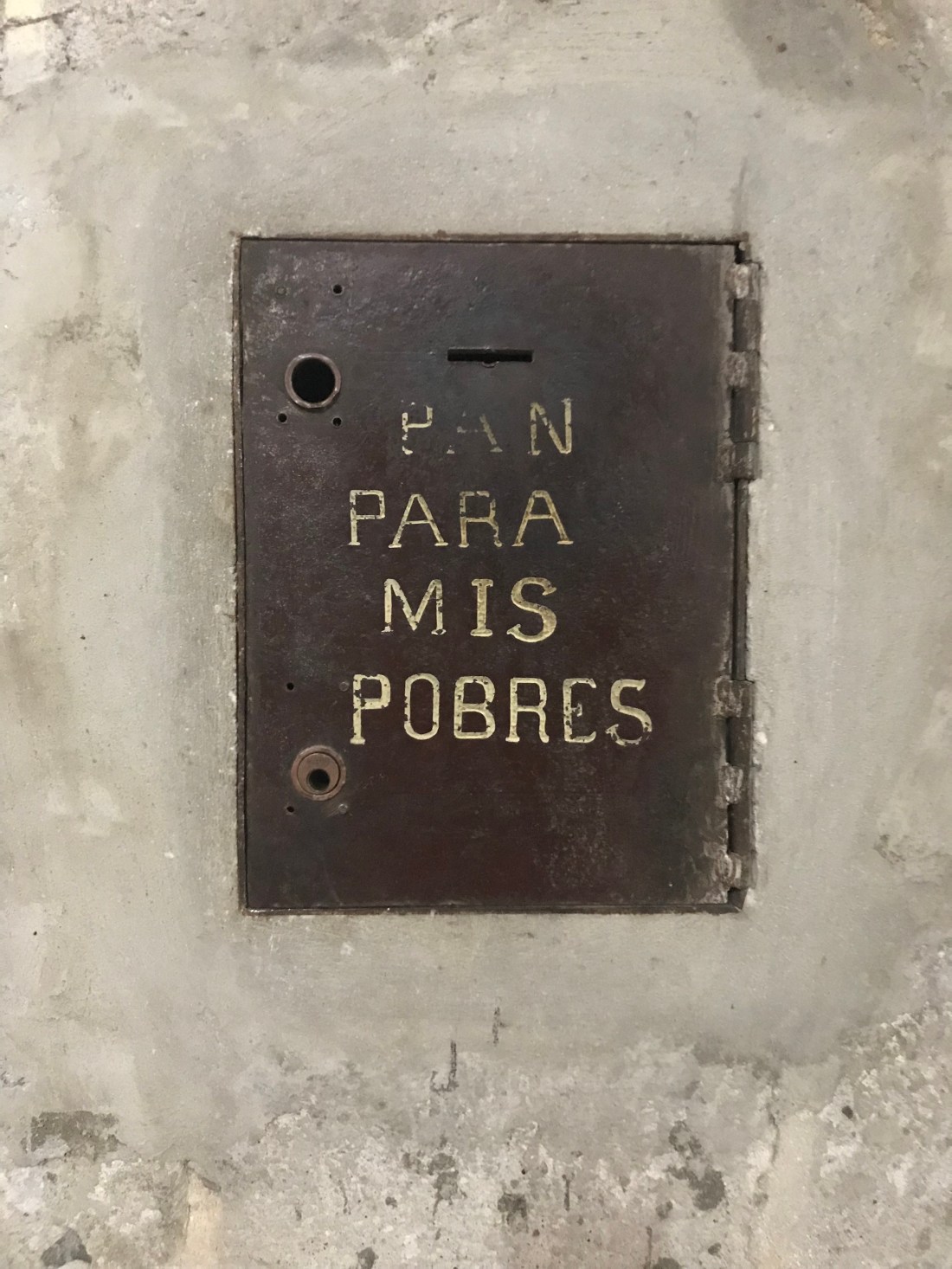
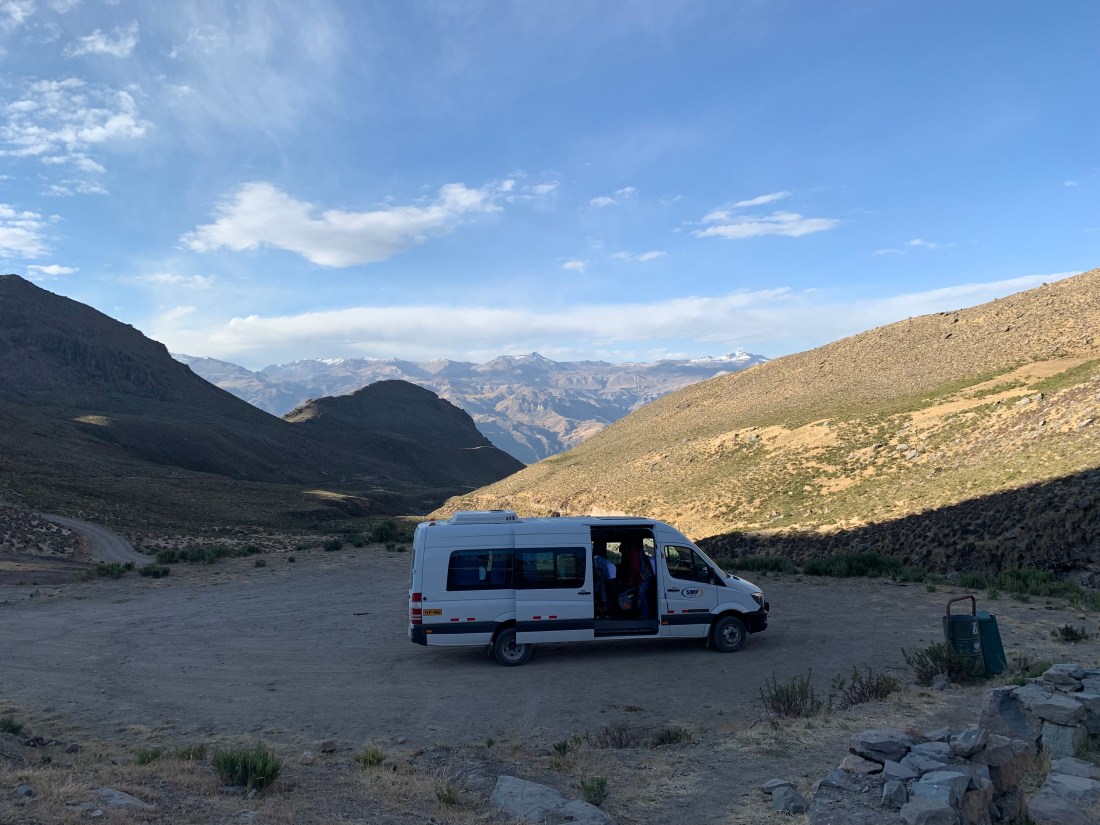
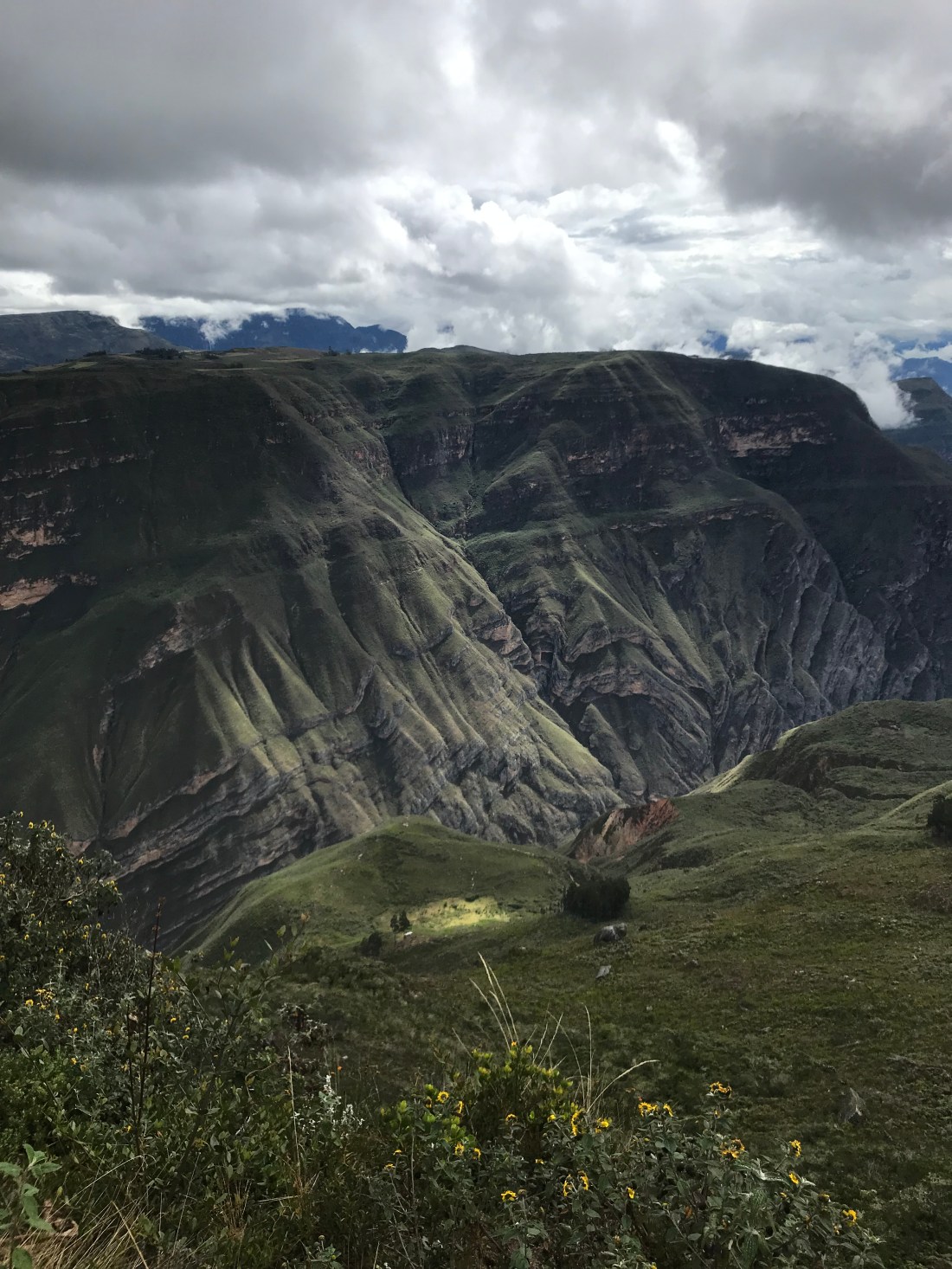
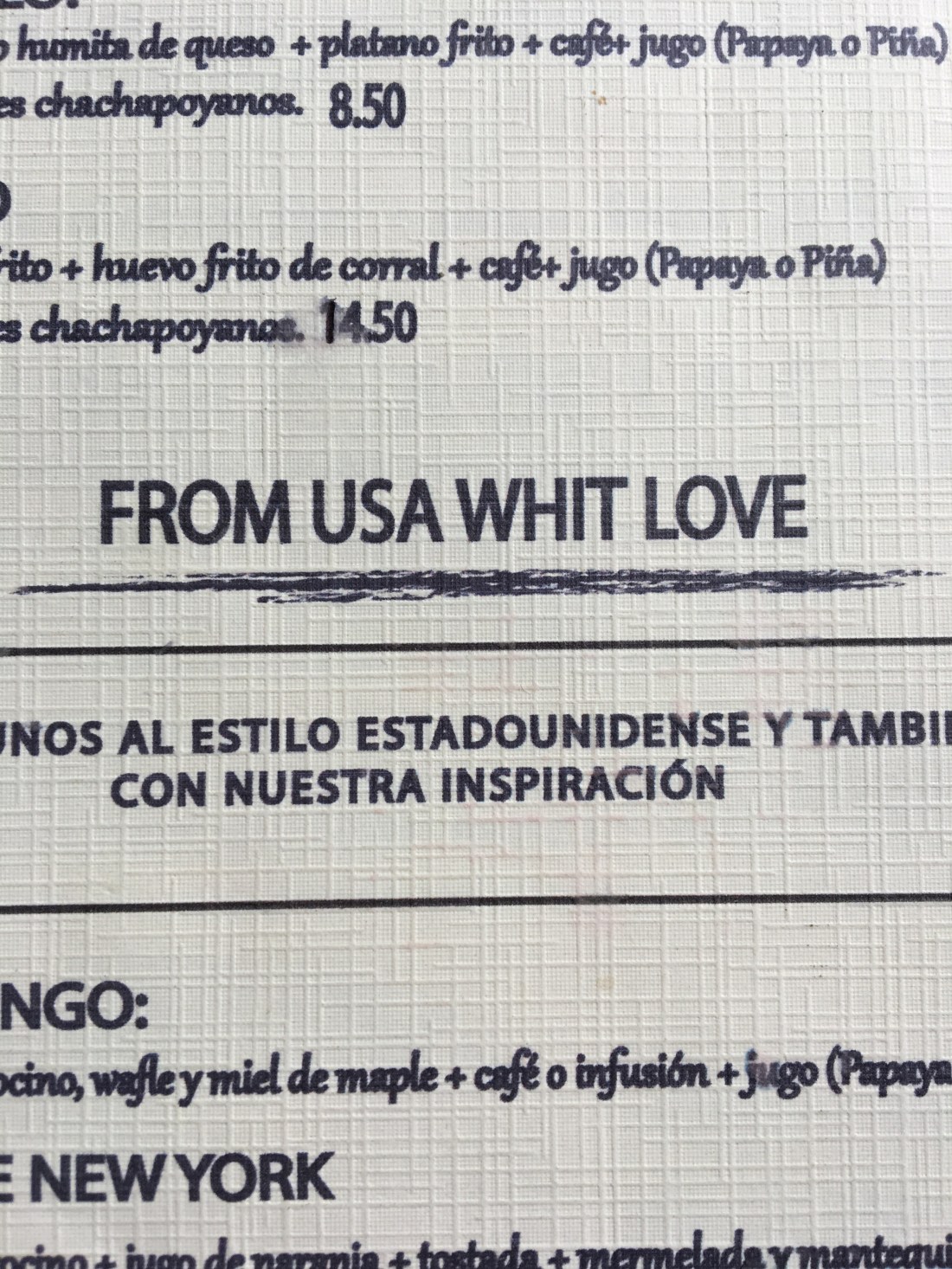 The Andes. The closest thing to mountain top experience without actually climbing a mountain. I can’t stop taking pictures.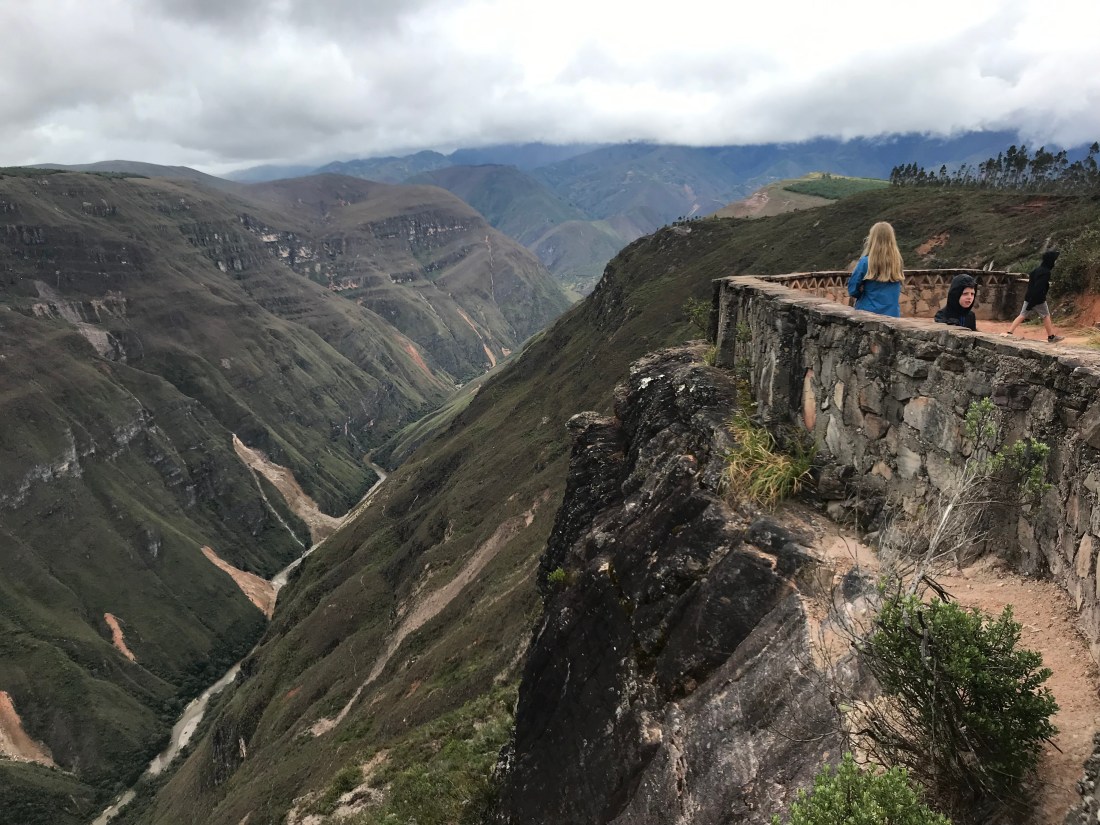
 Anderson’s go South...